Roof Replacement
Full tear-off and rebuild with new underlayment and ice barrier, for homes facing Iowa hail, wind, and snow.
View service: Roof Replacement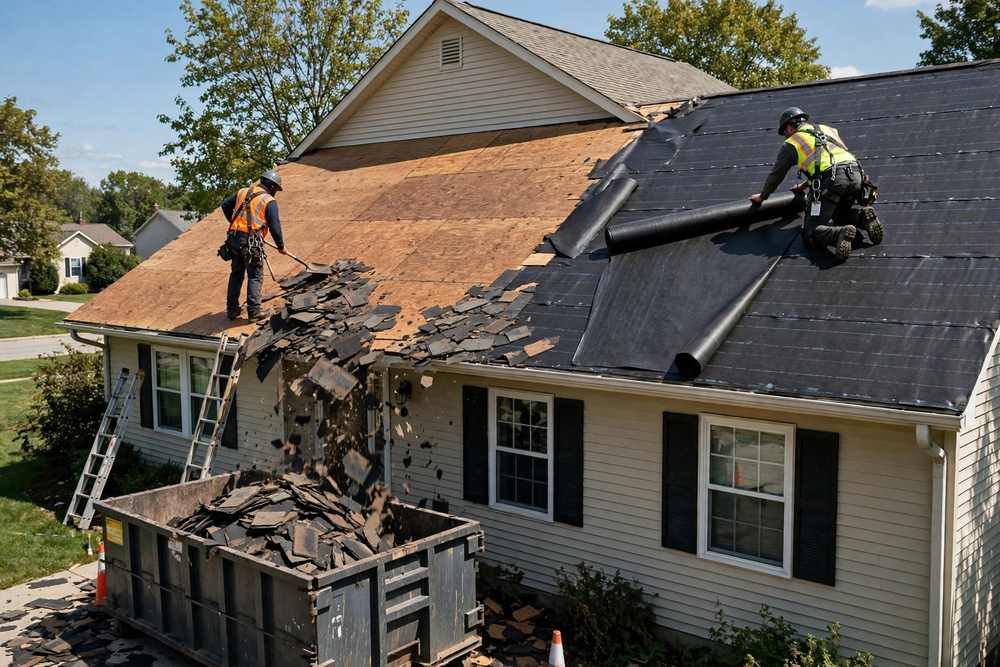
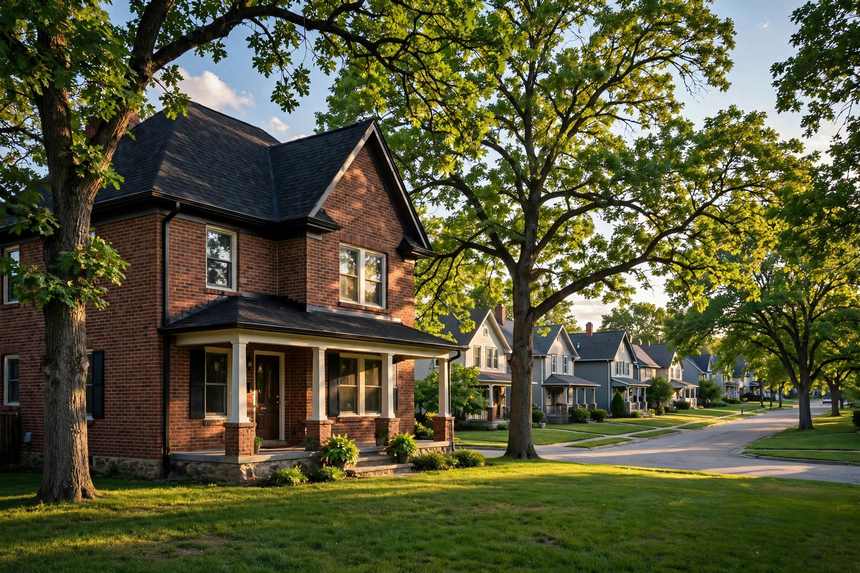
Roofing in Des Moines, IA means roofs built for hail, wind, snow, and ice dams. ZT Contracting LLC offers roof repair, storm damage repair, and full roof replacement for Des Moines homes. Call (515) 385-2566 to arrange an inspection and discuss repair versus replacement.
What to have ready when you call
A roof fails at the details first: the flashing, the valleys, and the seals around vents and chimneys. Finding where water actually gets in means checking the attic and the decking as well as the shingles. Ask for photos of what an inspection finds and a written scope with the price before work starts.
ZT Contracting LLC installs and repairs roofs on Des Moines homes, from Beaverdale bungalows to steep Sherman Hill Victorians and postwar ranches in Merle Hay. Asphalt shingles, standing seam metal, and flat membrane systems cover low-slope home roofs. Des Moines has 46 recognized neighborhood associations, and the housing stock differs enough from one to the next that each roof needs its own inspection and scope.
Roof work in Des Moines starts with the details: attic, flashing, valleys, and vents. An inspection should cover the attic and flashing and document what it finds with photos, whether the job is a roof inspection, a leak repair, or a full replacement. ZT Contracting LLC offers roofing in Drake, Waveland Park, Waterbury, Union Park, Ingersoll Park, and Highland Park/Oak Park: ask for an inspection first, a plain explanation, and the scope in writing.
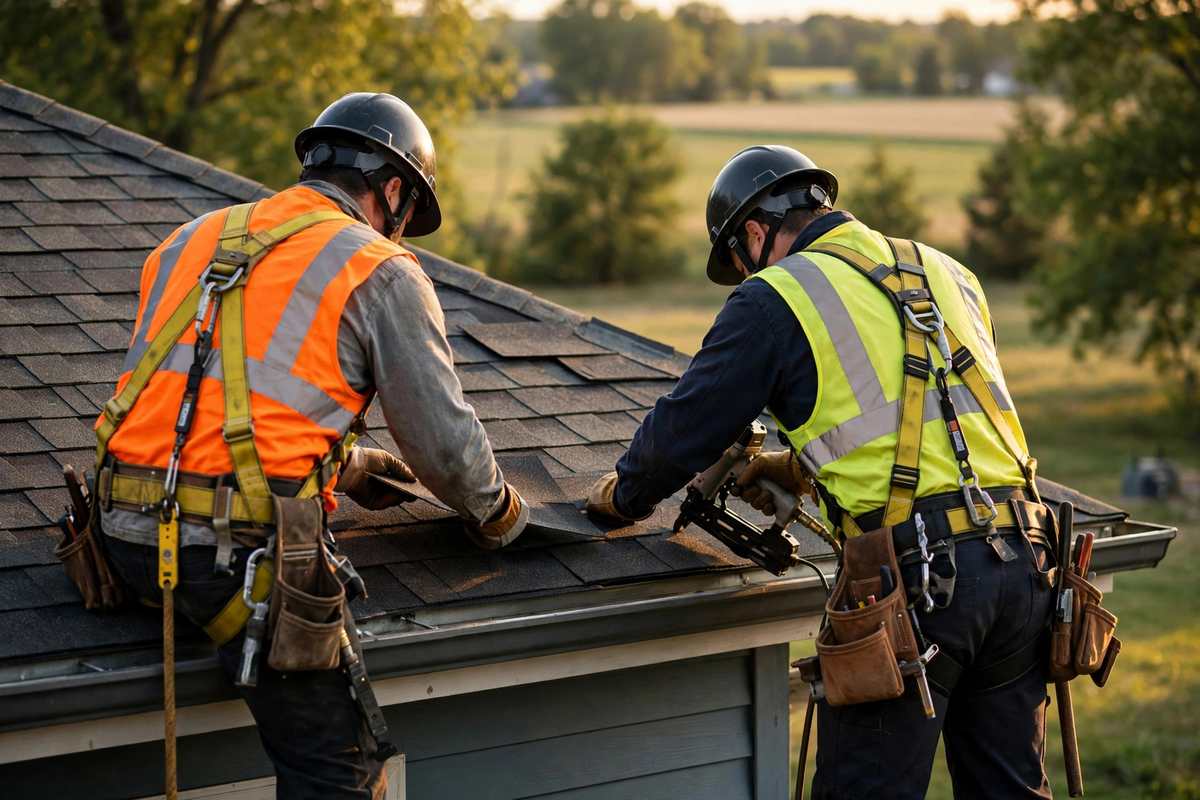
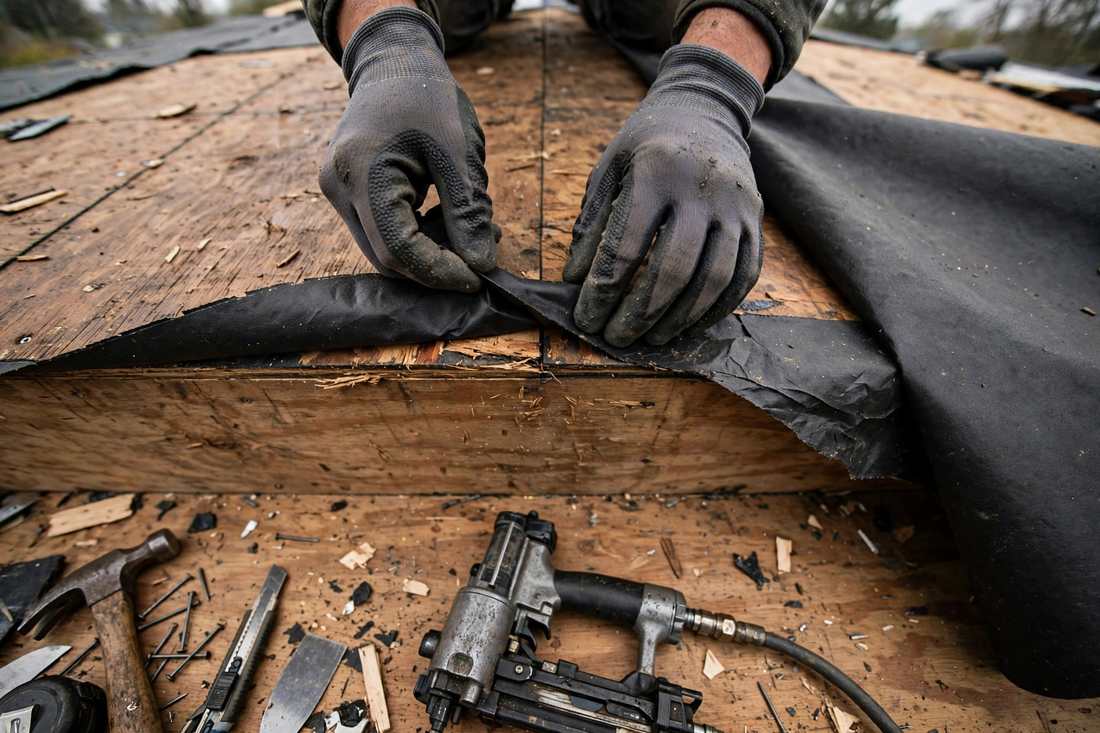
Roofing for Des Moines homes covers the whole roof system, from the underlayment and ice barrier up through the ridge cap: repairs, replacements, gutters, and ventilation. Call (515) 385-2566 to arrange an inspection.
Explore every serviceFull tear-off and rebuild with new underlayment and ice barrier, for homes facing Iowa hail, wind, and snow.
View service: Roof ReplacementTargeted fixes for missing shingles, failed flashing, and small leaks, using materials matched to the existing roof.
View service: Roof Repair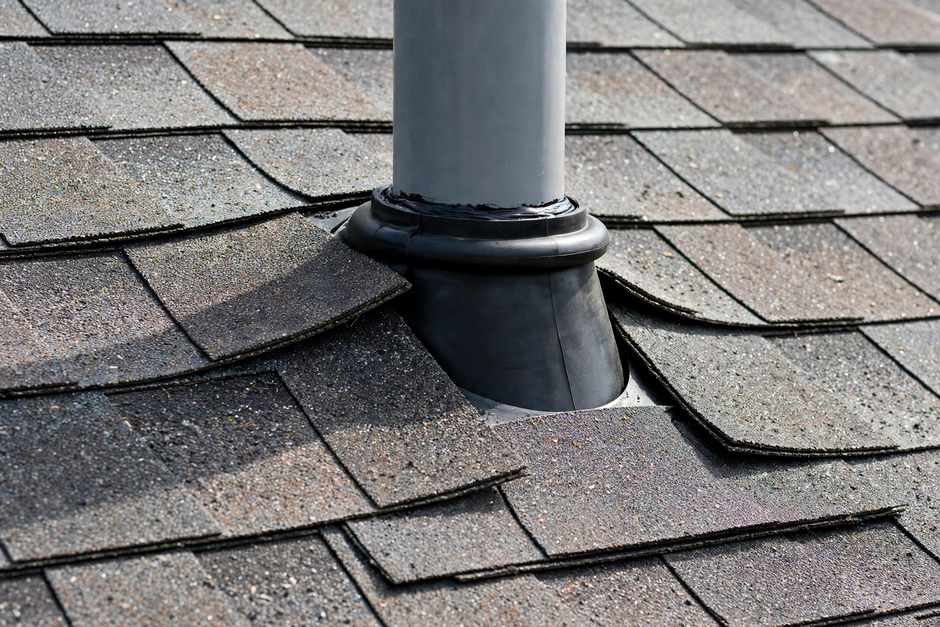
A full look at the roof, attic, and flashing points, covering what is sound and what needs attention.
View service: Roof Inspection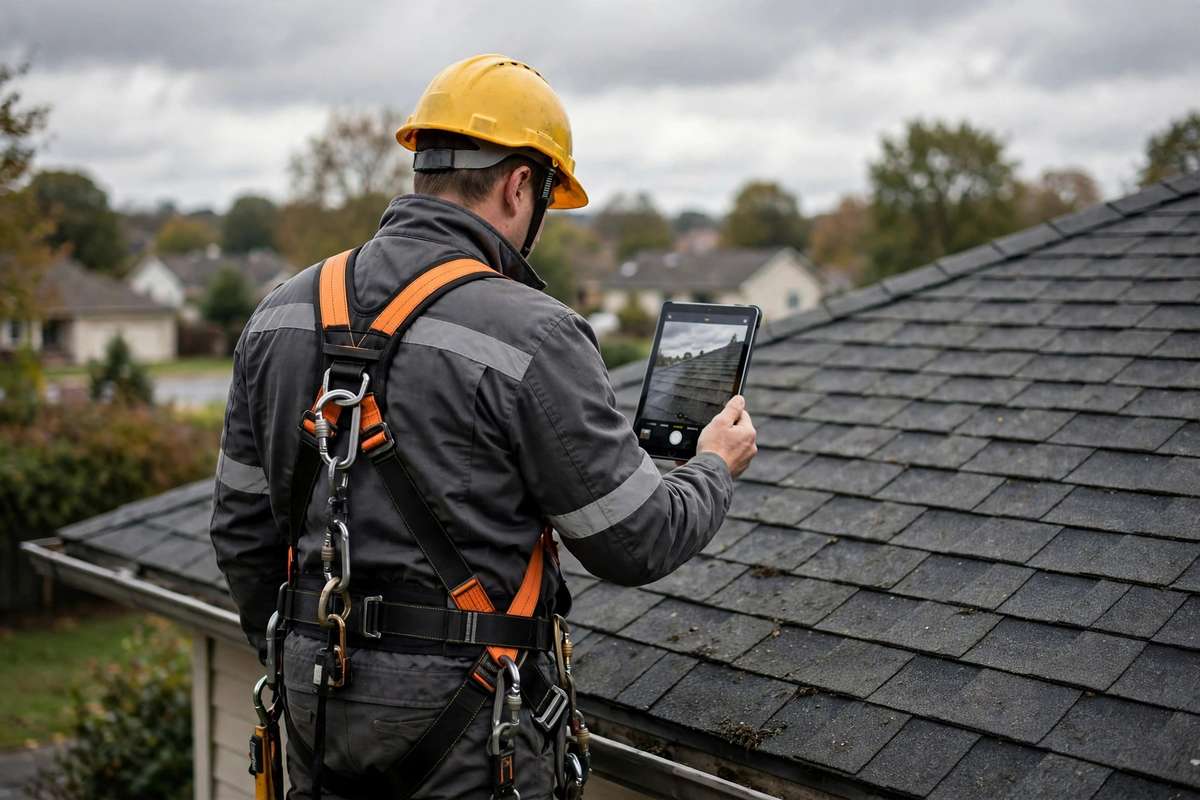
Roof work for Des Moines homes, from repairs and replacements to gutters and ventilation, sized to each house.
View service: Residential Roofing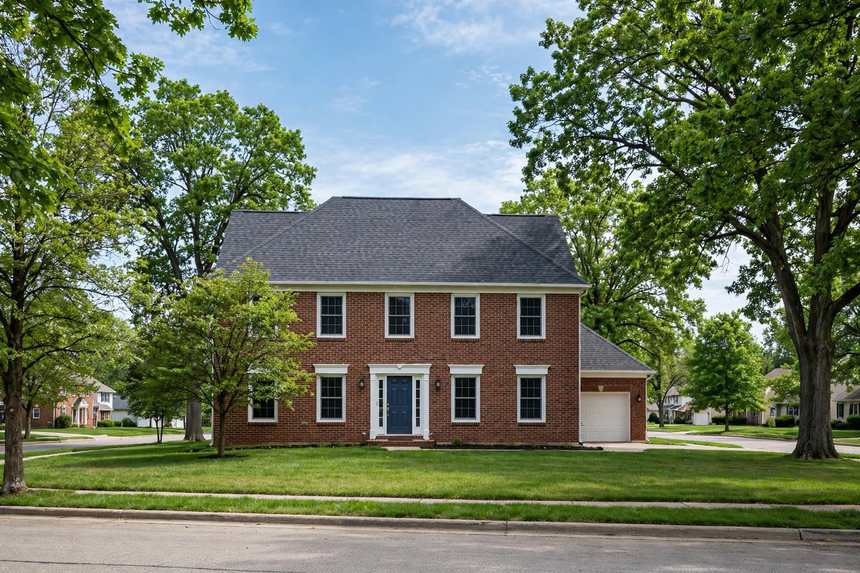
Asphalt and architectural shingle roofs, where valleys, flashing, and ridge details face Iowa weather first.
View service: Shingle RoofingStanding-seam and exposed-fastener metal roofs for homes, with flashing and fastening details suited to snow, wind, and hail.
View service: Metal Roofing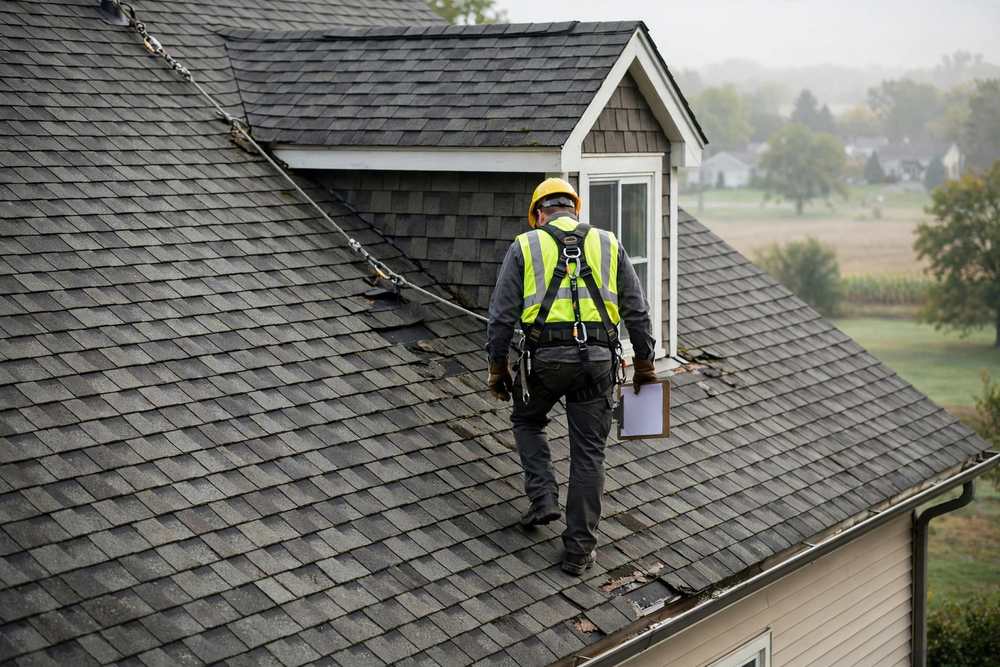
Membrane systems for low-slope and flat residential roofs, with drainage and flashing details that keep water moving off the roof.
View service: Flat RoofingAssessment and repair after hail and wind. Ask for photos and a written scope to share with your insurer.
View service: Storm Damage Roof Repair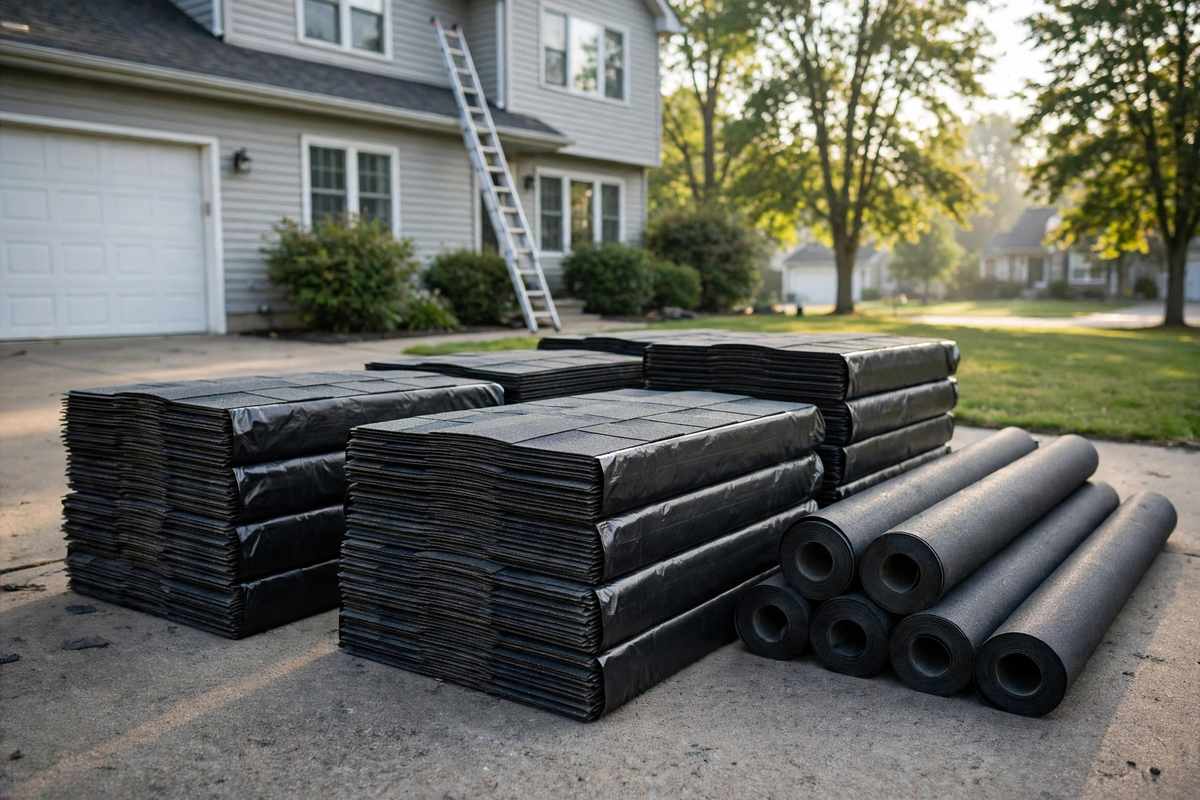
Finding the entry point behind a stain or drip, including flashing failures around chimneys, then repairing the source.
View service: Leak Detection and Repair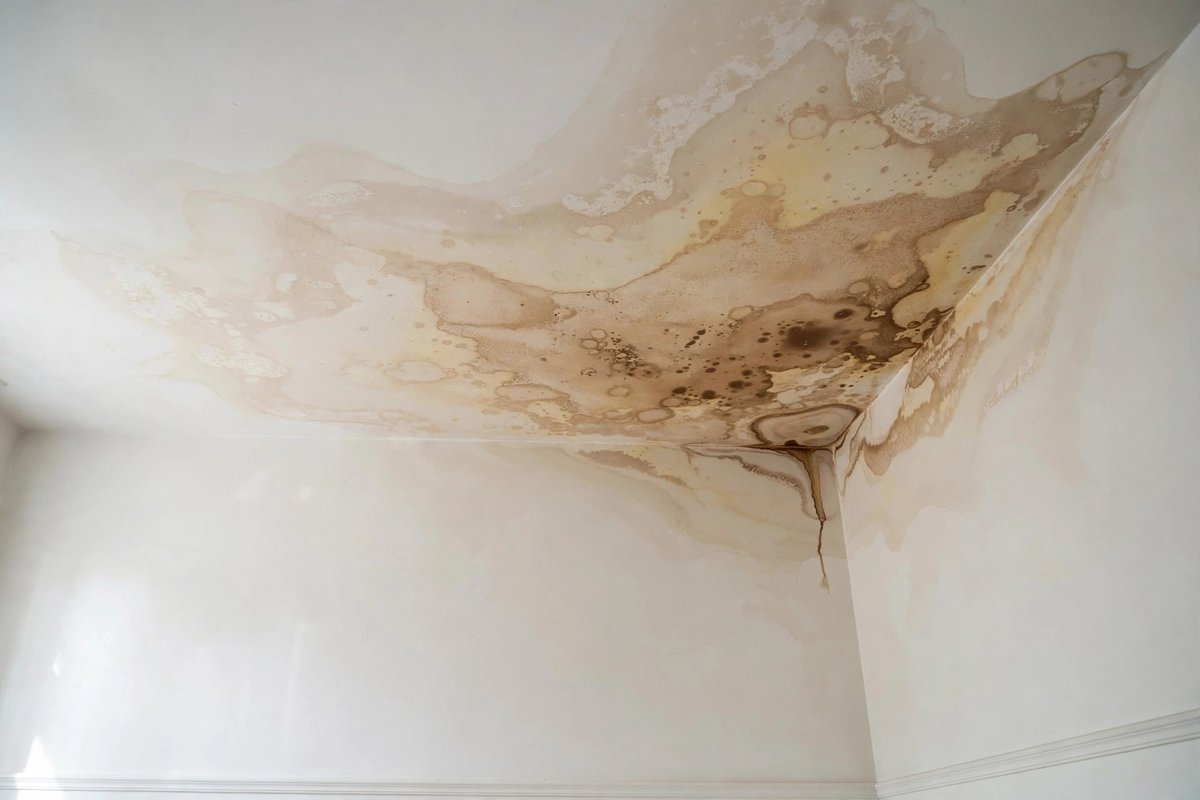
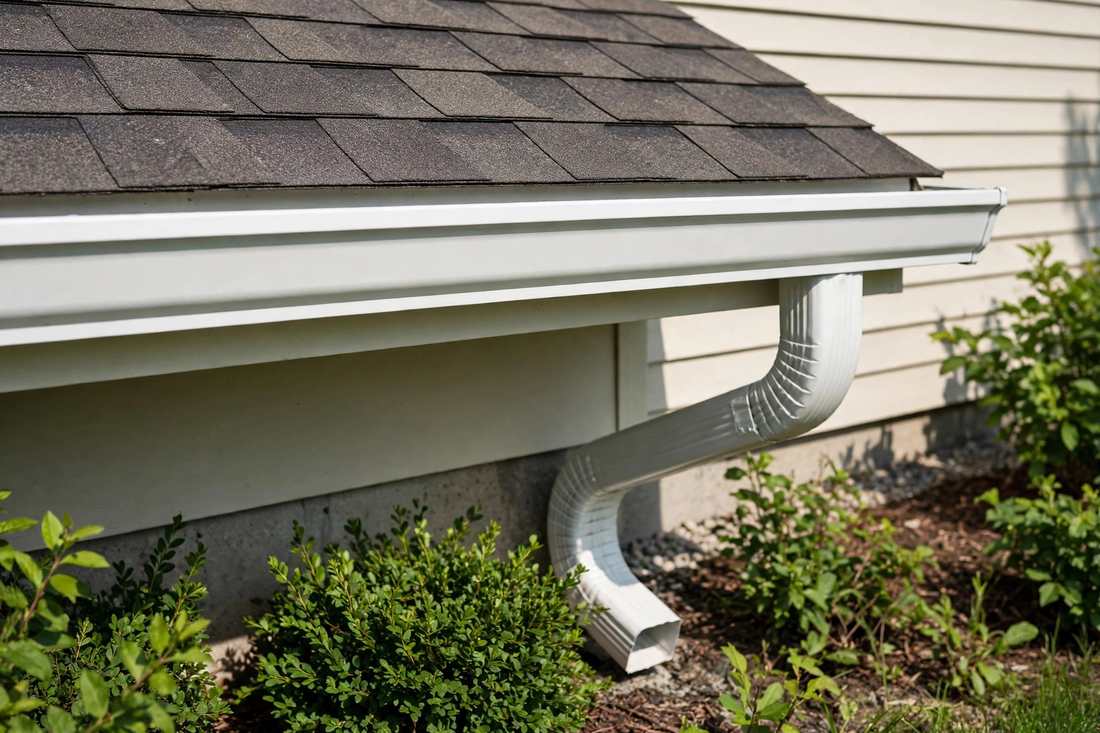
Gutters, guards, and downspouts that move water away from the foundation and protect the roof edge.
View service: Gutter Installation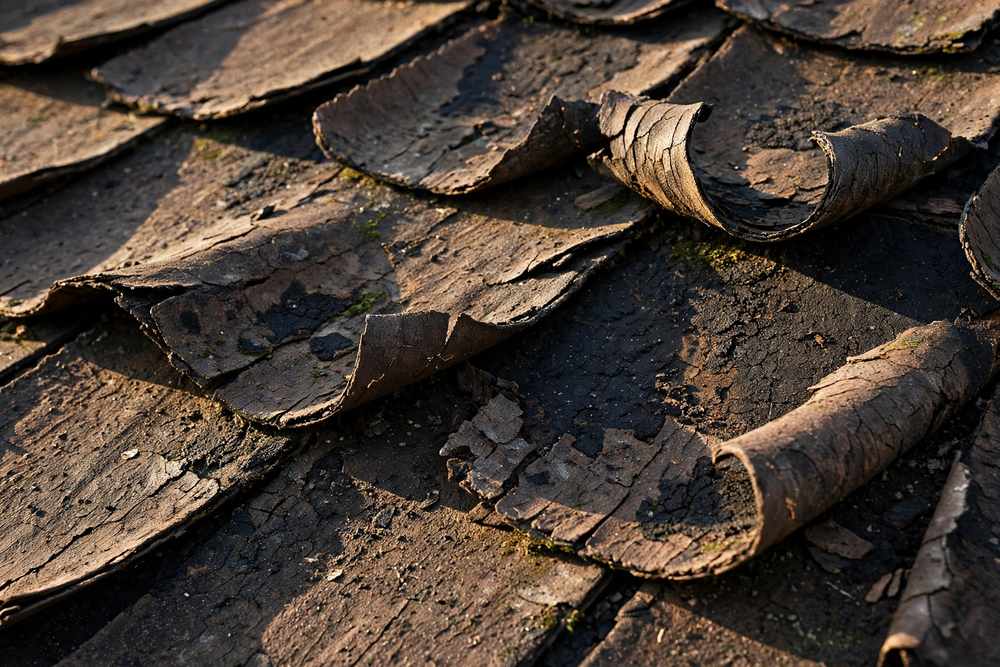
Balanced intake and exhaust ventilation sized to the attic, plus information on how insulation and airflow work together.
View service: Attic Ventilation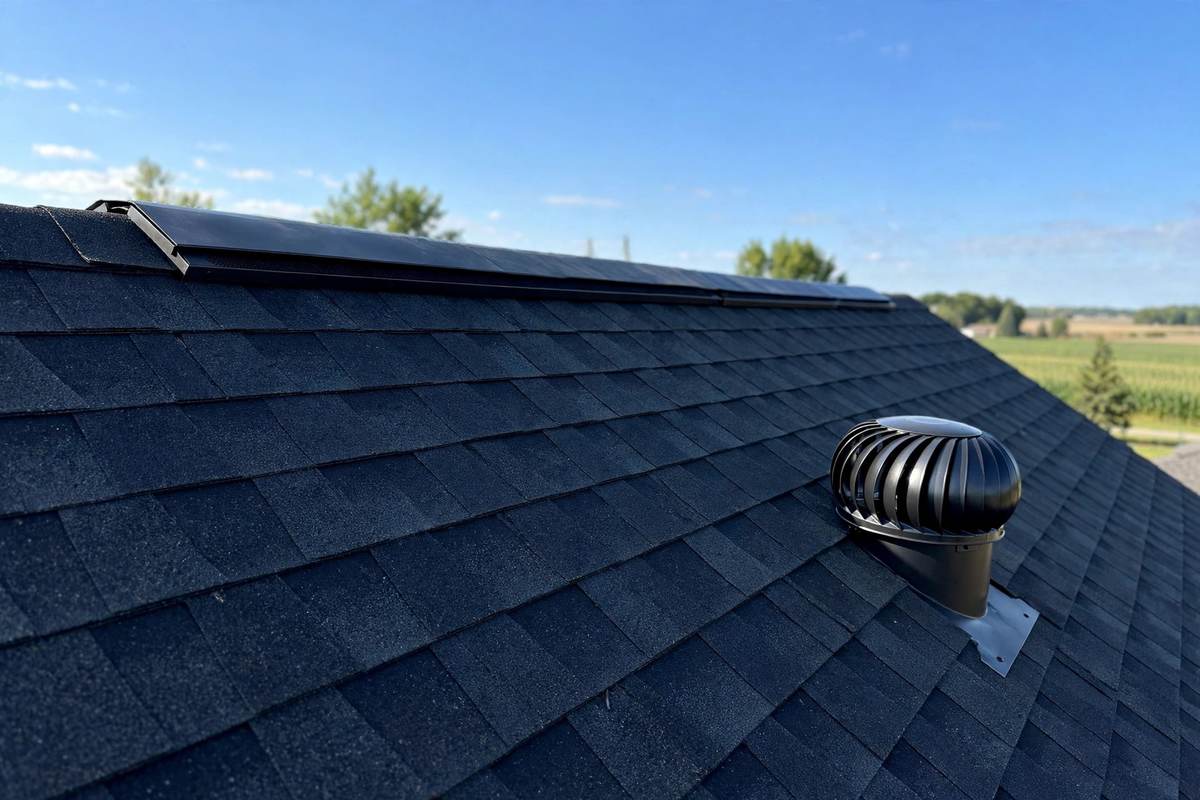
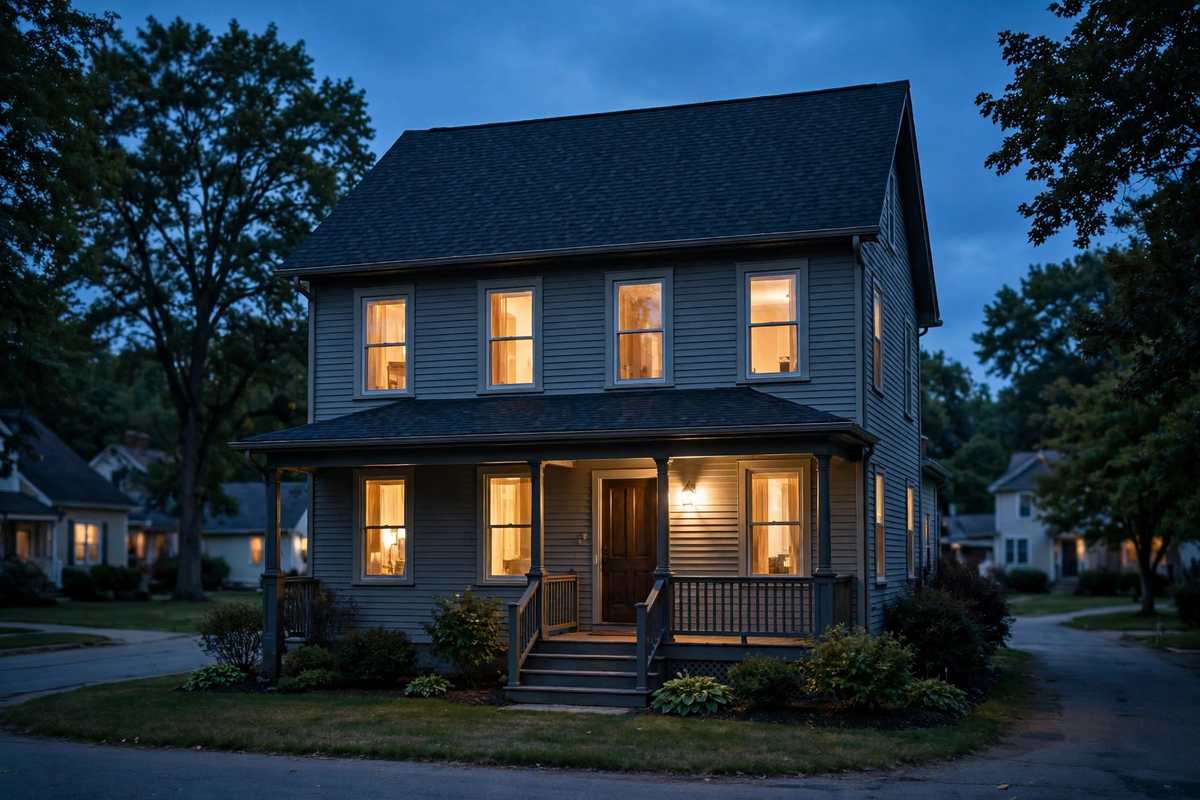
We work on Des Moines homes like these
Roof details decide how long a roof lasts in Iowa weather. Here is what to ask about before work starts.
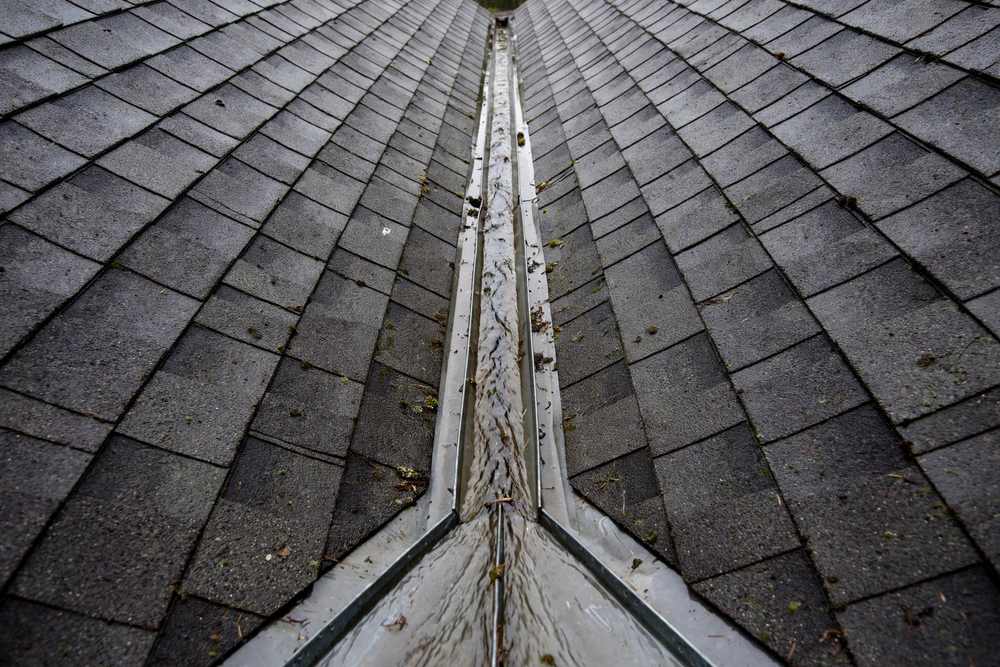
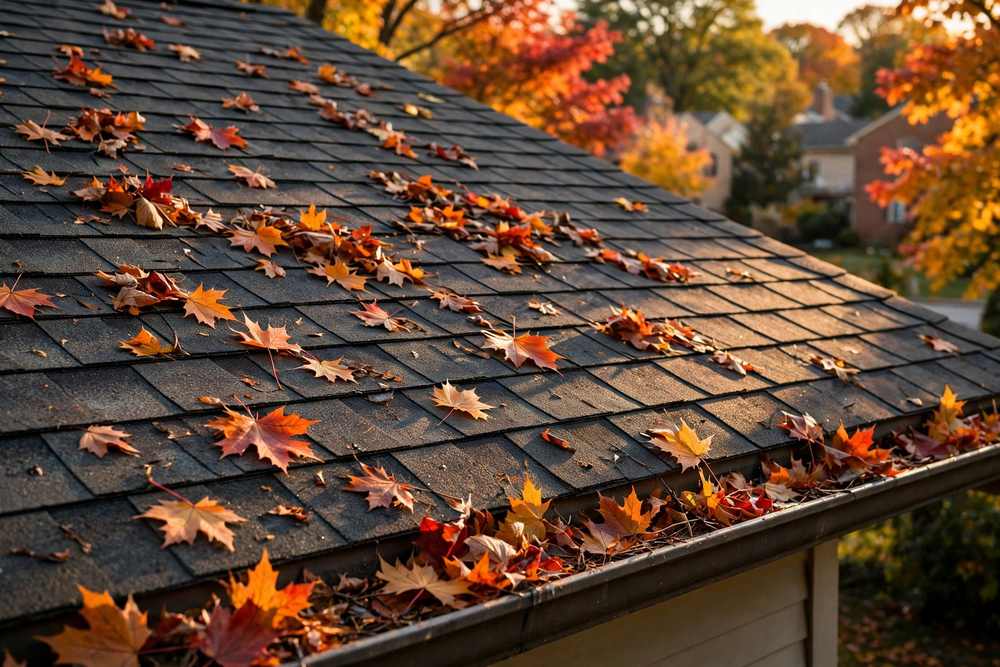
Exposed decking should be checked for rot and soft spots during tear-off. Ask how damaged boards are handled and photographed before the new roof goes on.
Repairs should match shingle profile and color to what is already on the house, so repairs blend in. Full replacements use a complete system with matching starter strip and ridge cap.
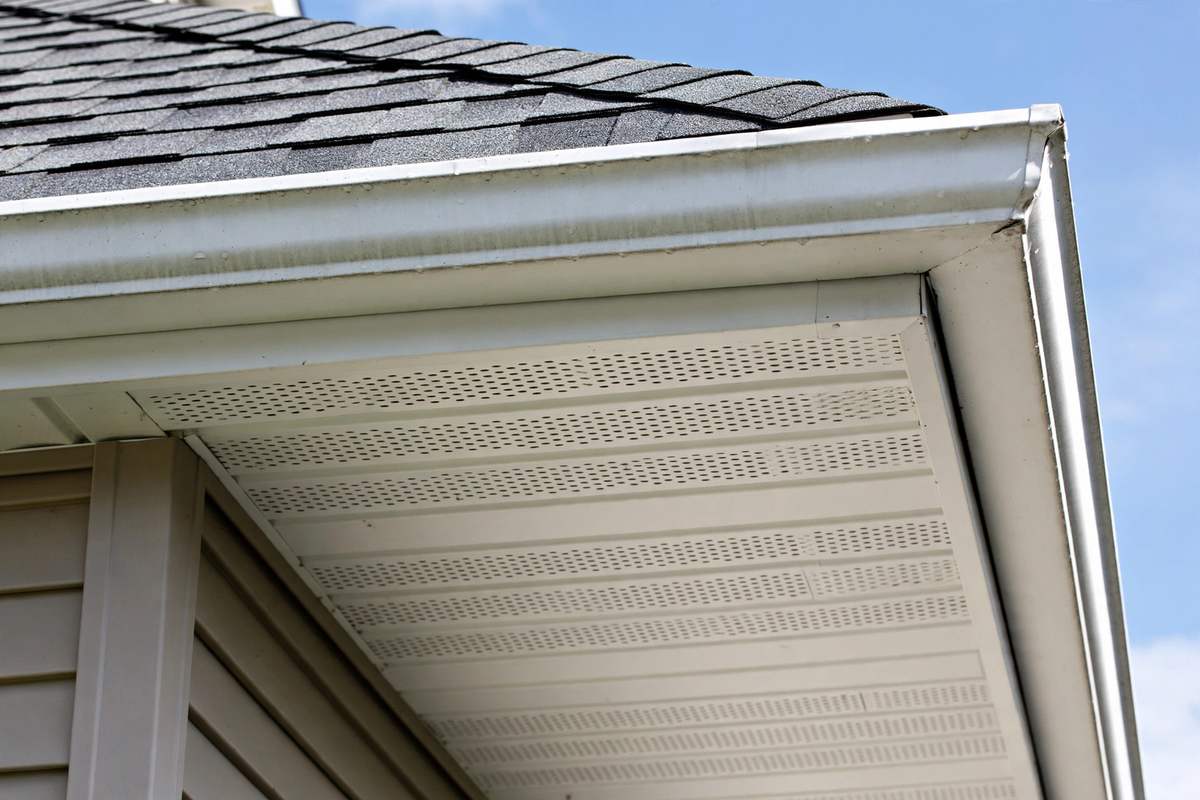
Intake and ridge venting should be checked on a replacement. A roof that cannot breathe cooks shingles from below and builds ice dams at the eaves.
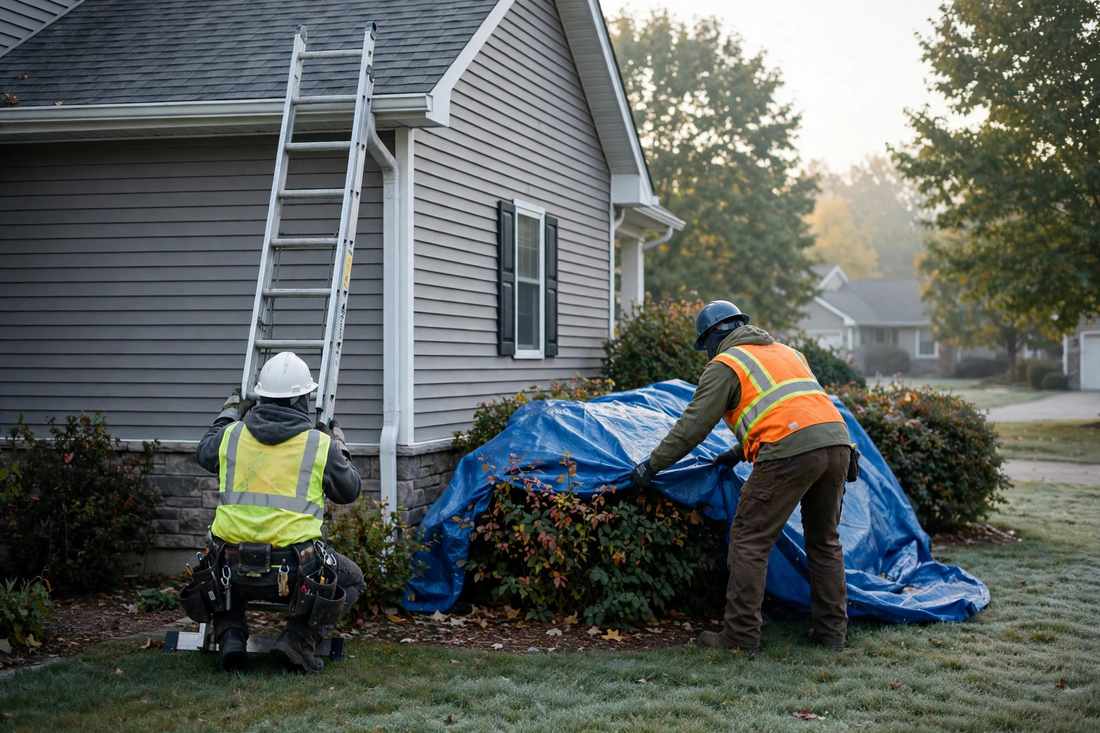
Ask how landscaping and AC units are protected during tear-off, and how the yard is cleared of nails and debris when work ends.
Roof work generally follows the same order, so each stage is covered. Ask what happens at each stage and what photos or records you receive.
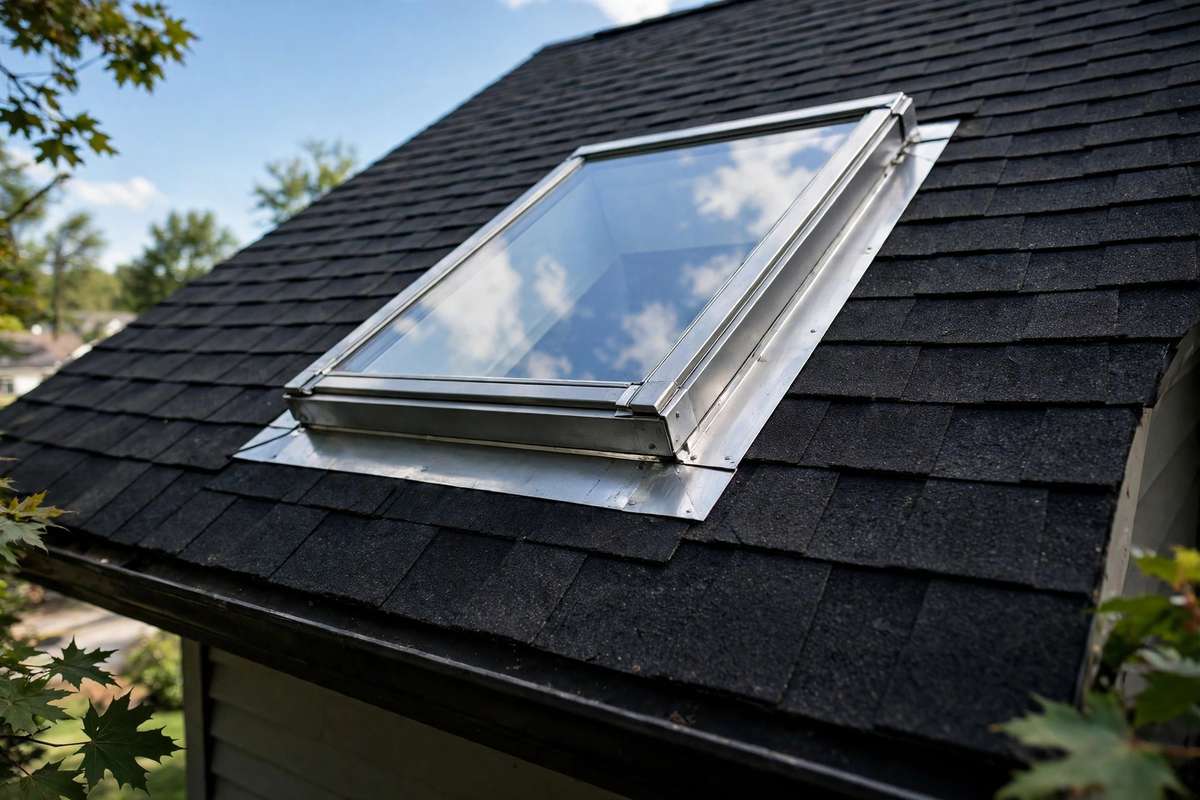
An inspection covers the roof and attic, and a moisture meter is used on wet spots. Ask for photos of what is found and a plain explanation of what it means.
The work, the materials, and the price should be written out before anything starts. Where storm damage is involved, ask for photos and a written scope to share with your insurer. Coverage decisions belong to your insurer.
The old roof is stripped, the decking is inspected, and any rot is replaced. Underlayment, ice and water shield, and flashing go on before the shingles do.
Shingles go down to the system specification, followed by yard cleanup and debris removal. Ask for a final walkthrough and the photo record.
Most roof calls come down to a handful of failures, and each one has a right fix and a wrong one. Here are the most common failures and how each is usually fixed.
Leaks are traced with a moisture meter and infrared camera to find the real entry point, which is often flashing rather than the shingle above the stain. The cause is fixed and the surrounding area checked for hidden damage.
Curling and granule loss usually mean the shingle is at the end of its life or was damaged by hail. An inspection checks for soft spots and documents the damage with photos; affected sections are replaced, or a full replacement is recommended if the roof is too far gone.
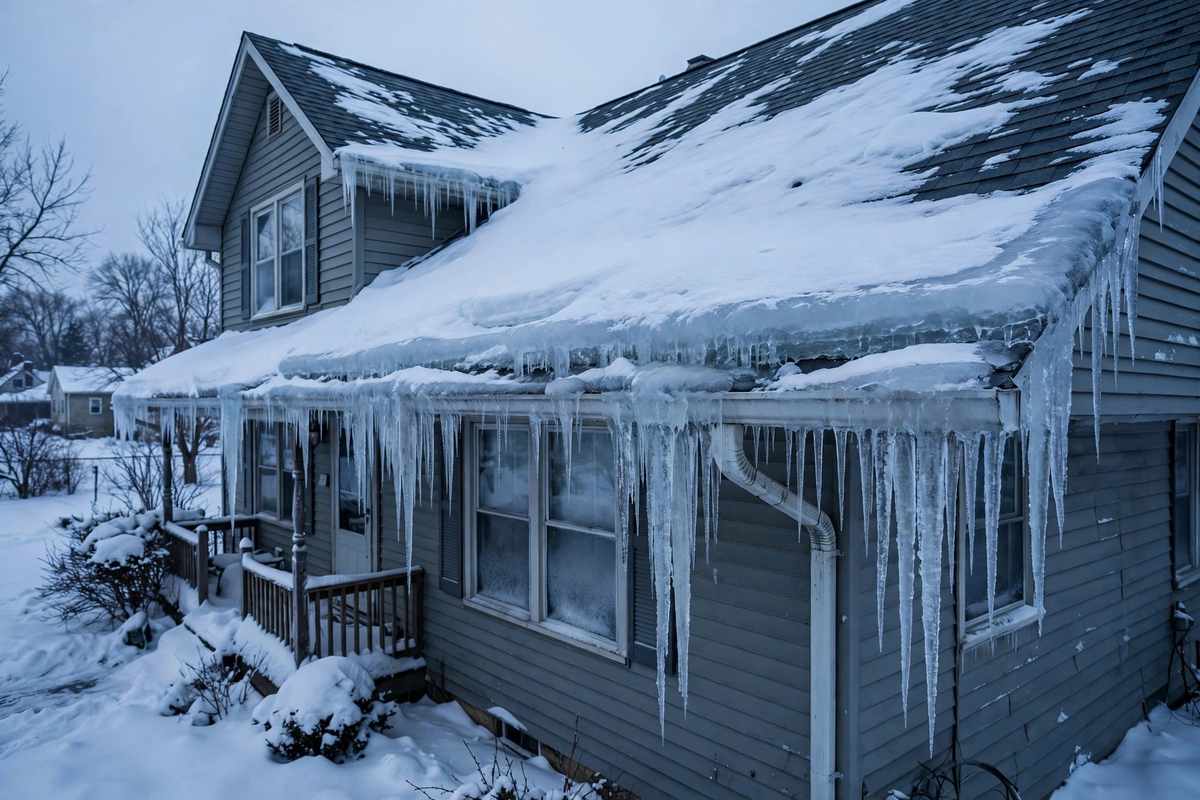
Ice dams come from warm air escaping into the attic and melting snow that refreezes at the cold edge. The fix starts with attic ventilation: intake and ridge venting and ice and water shield address the cause so the problem is less likely to recur.
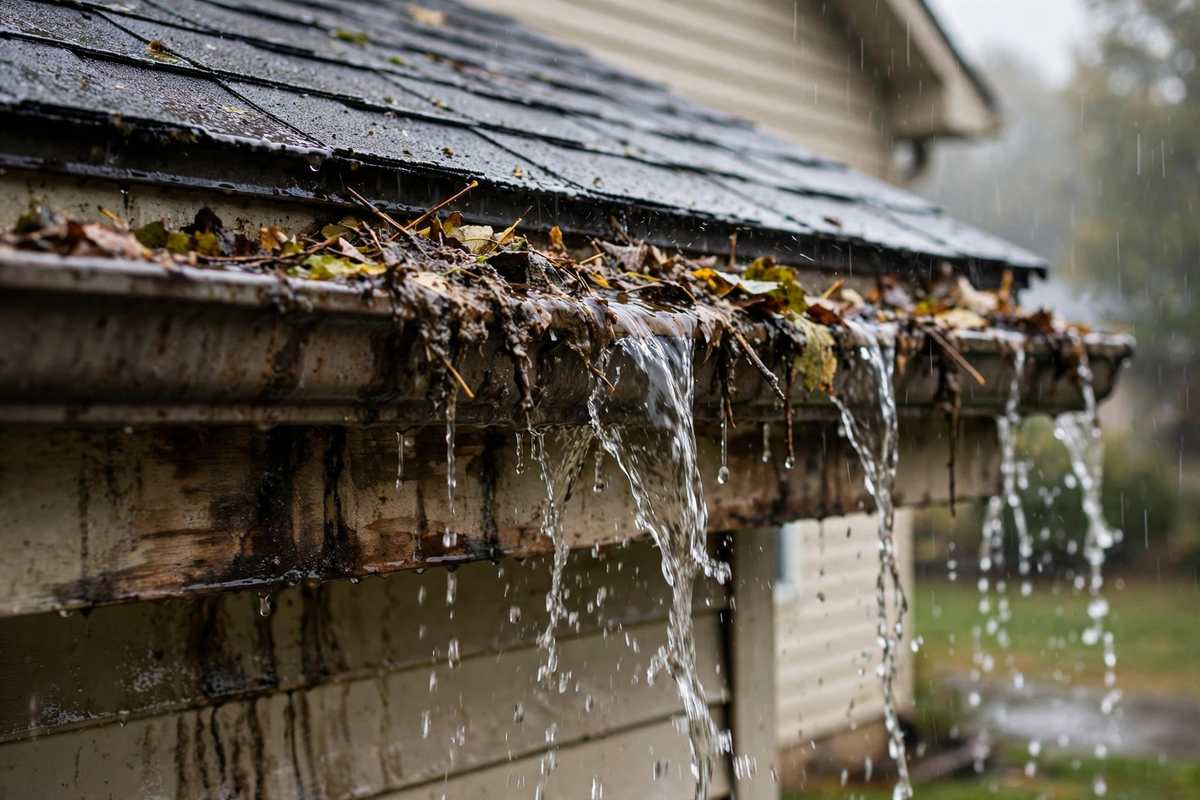
Badly pitched gutters back water up under the roof edge and rot the fascia. The fix is to re-pitch runs, have the fascia checked for rot, and check that downspouts carry water away from the foundation.
5.0
ZT Contracting LLC is based in Des Moines, and each page below covers one neighborhood in detail, from the brick homes of Beaverdale to the historic district of Sherman Hill. Call (515) 385-2566, Monday through Saturday, 8 AM to 6 PM, to talk about your roof.
View every service area
Questions about an address in Des Moines? Call (515) 385-2566 and ask.
Common questions about roofing in Des Moines, IA, answered in plain language.
Still wondering? (515) 385-2566
It depends on how widespread the damage is and what condition the deck is in. Isolated damage, such as a few missing shingles or a flashing leak, is often a repair. Curling or granule loss across whole slopes, or soft decking found during inspection, points toward replacement. An inspection with photos shows which one fits your roof.
Ask for photos of what they find on your roof, a written scope that names the work and the materials, and a clear explanation of what can wait and what cannot. Ask how flashing, ventilation and ice barrier are handled, since those details decide how long a roof lasts in Iowa weather.
The price depends on the size of the roof, its pitch, the number of existing layers, the condition of the deck, and the materials chosen. Ask for a written scope with the price before any work starts, so the number is agreed up front.
Hail in the Des Moines area runs mainly from mid-April through early September, with June the busiest month. Hail bruises shingle mats and knocks granules loose, which shortens roof life even before leaks appear. After a hail storm, an inspection with photos documents what the storm did to your roof.
Through December 31, 2026, the City handout rule is no permit for a straight reroof, with a permit required when sheathing or rafters are repaired or replaced. From January 1, 2027, a re-roofing permit is required under Council Communication 26-244. Ask us about the current requirements when you call.
Call ZT Contracting LLC to arrange an inspection and discuss an estimate. Ask for photos of what is found, an explanation of the options, and the scope in writing before any work starts.
Call us at (515) 385-2566, Monday through Saturday, 8 AM to 6 PM, to arrange an inspection. Tell us what is happening with your roof when you call. We are closed on Sundays.