Roofing in the Union Park Neighborhood, Des Moines

Roof replacement in Union Park, Des Moines, IA, serves a northeast-side neighborhood of about 96 blocks and some 2,200 single-family dwellings, built around a park that opened in 1896 on a scenic bend of the Des Moines River. ZT Contracting LLC provides roof repair, replacement, leak repair, storm damage repair, and inspections for homes here, from Hull Avenue to Washington Avenue. Call (515) 385-2566, Monday through Saturday, 8 AM to 6 PM.

  • Address3501 Bowdoin St, Des Moines, IA 50313, United States
  • Phone(515) 385-2566
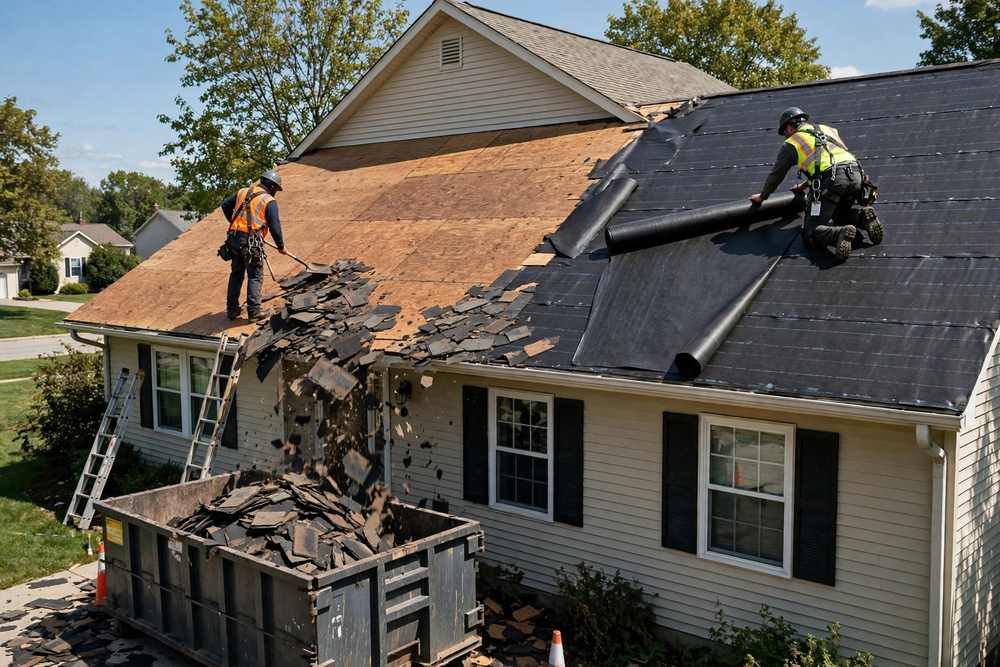
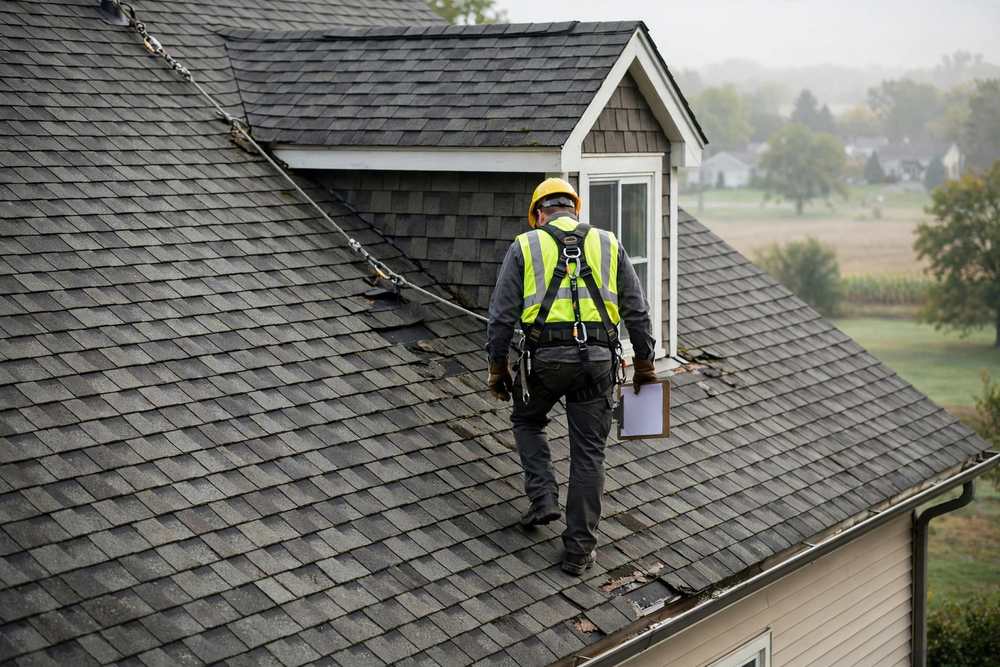
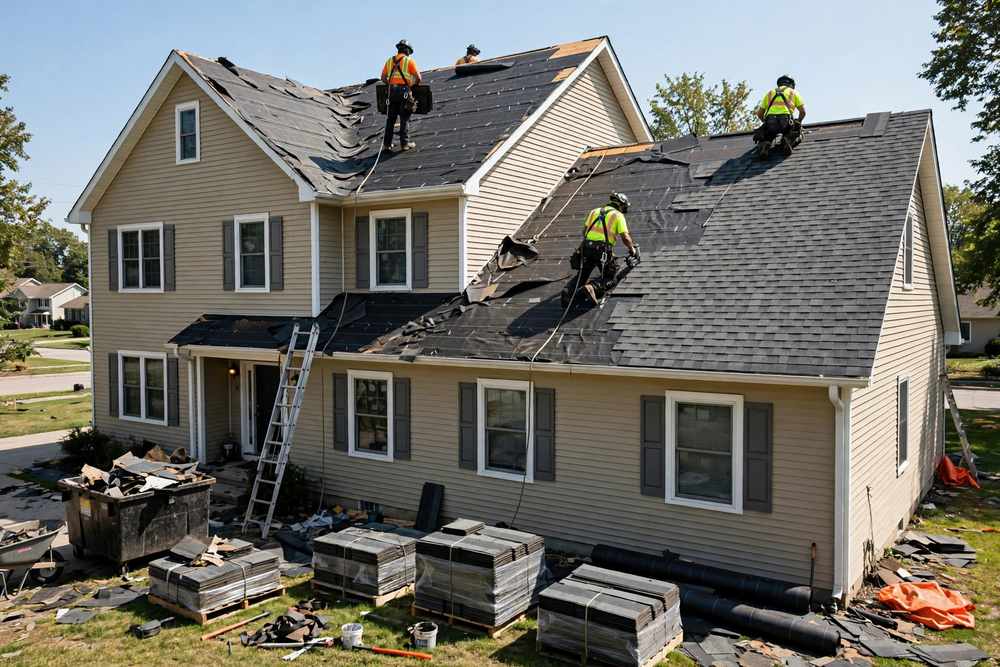
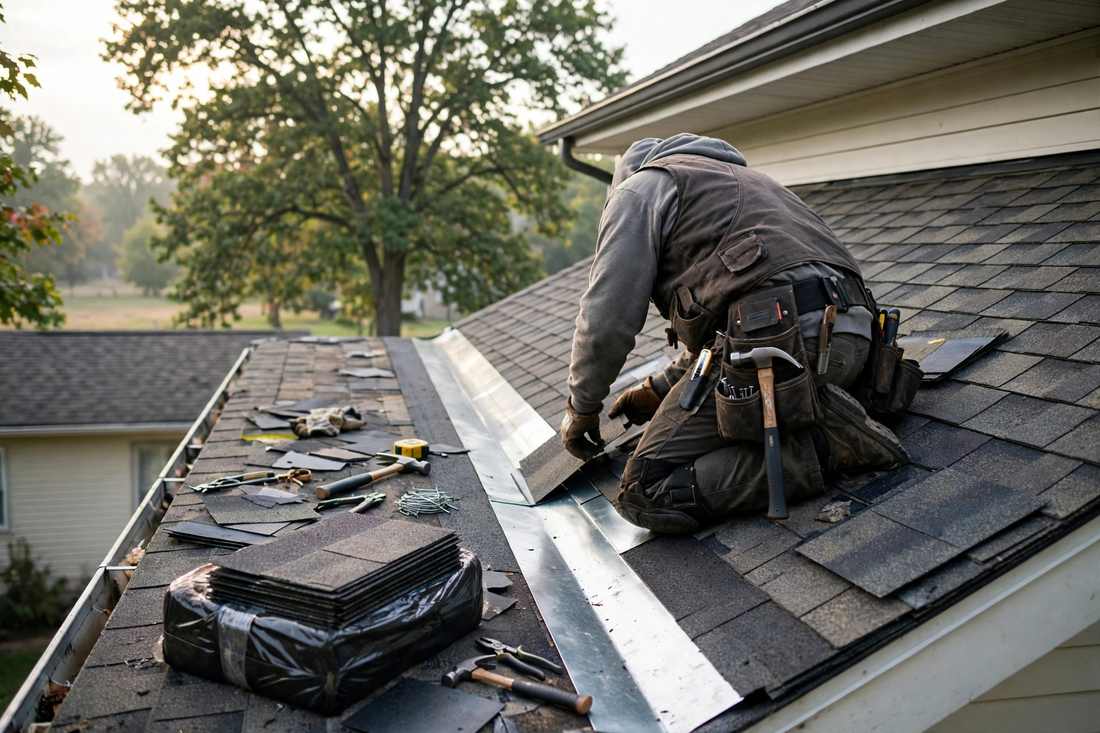
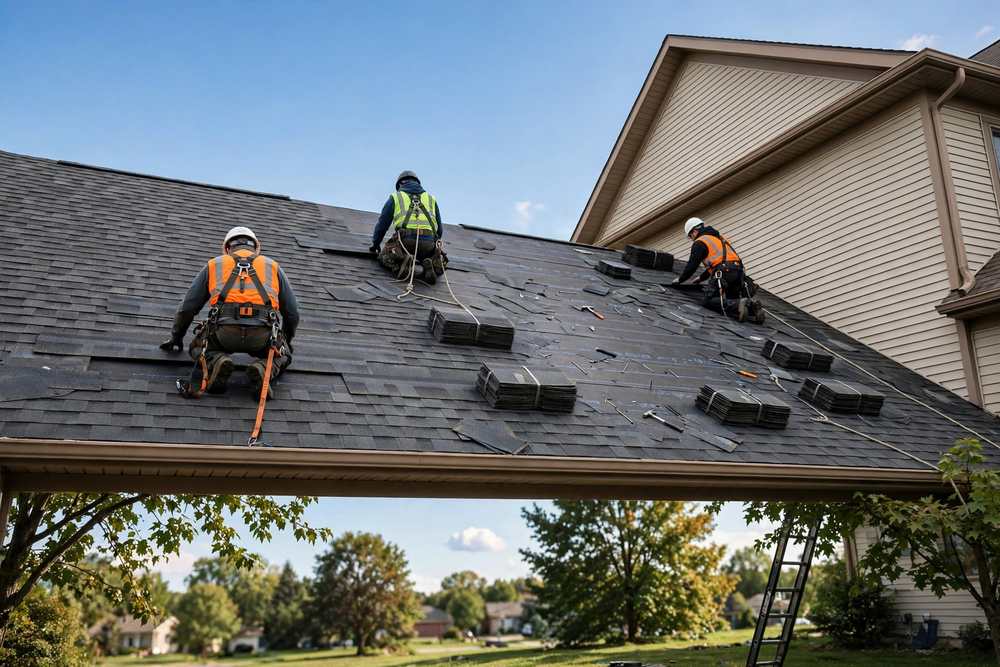
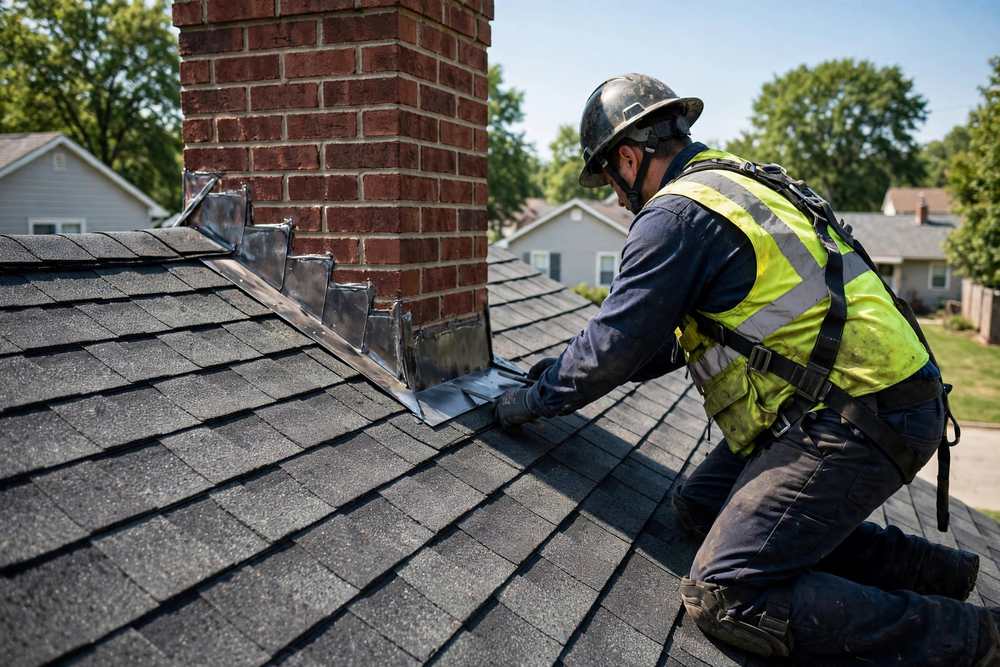
Roofing crew at work on a home in Union Park, Des Moines, Iowa

Roofing in Union Park, Des Moines

  • 5.0 stars from 16 Google reviewsAll 16 reviews five stars
  • Monday–Saturday, 8 AM–6 PMClosed on Sundays
  • 3501 Bowdoin St, Des MoinesRoofing contractor, Des Moines, IA
  • Roof repair and replacementLeak, storm, and inspection work too

Period Revival and Arts and Crafts Homes Around the Park

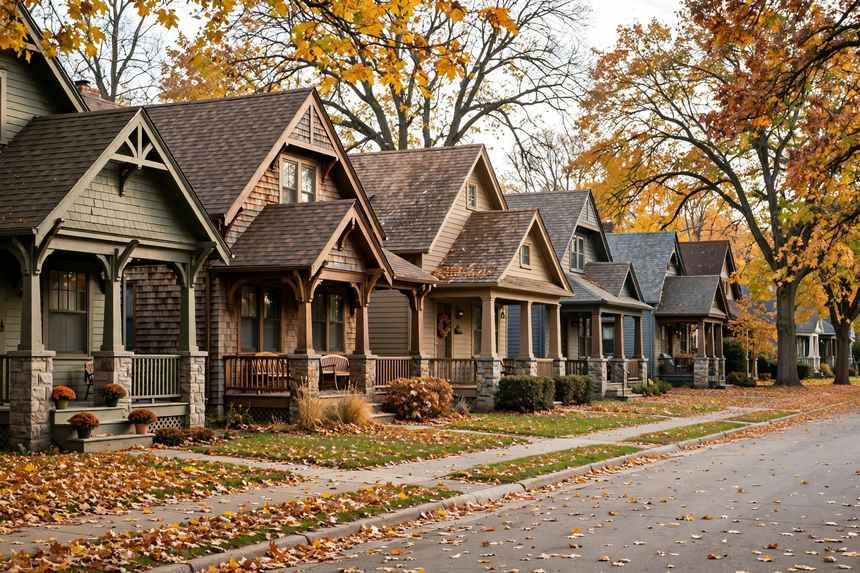
Union Park's history begins with a land grant dated February 23, 1849, to Andrew McFadden Thompson, followed by Scandinavian settlement from about 1866, Norwegian, Swedish, and Danish, centered on East 9th Street and Hull Avenue, with strong churches and Grand View College, founded in the Danish Evangelical Lutheran tradition. Union Park opened in 1896 as one of the city's four original parks, on a scenic bend of the Des Moines River between the city and the recently annexed northern streetcar suburbs. Over the following two decades, the park became the focal point for a new neighborhood, and homes in Period Revival and Arts and Crafts styles were built, larger ones on lots closest to the park and smaller ones elsewhere, according to the 2025 Invest DSM revitalization plan draft.

That size gradient organizes the roofing picture. Larger Period Revival homes near the park carry steep-pitched gables and hips with complex rooflines, while smaller Craftsman homes elsewhere carry moderate-pitch gables with porches and dormers, and later infill varies. Those roof-form descriptions are inferences from the styles and the size gradient, offered as general guidance. The park setting brings mature tree cover, inferred from the park-centered history rather than canopy-surveyed, and the Des Moines River and Birdland Park form the western edge. No historic district inside Union Park's bounds has been verified, and no flood-zone claim is made for any home. Grand View University, on six to eight blocks inside the neighborhood, is background only.
Residential roofing work

Roofing Services for Union Park Homes

The services below follow the park-proximity gradient: larger, more complex roofs near the park, smaller Craftsman roofs farther out, and infill in between. Each service page explains the work in full.

How Roofing Work Proceeds in Union Park

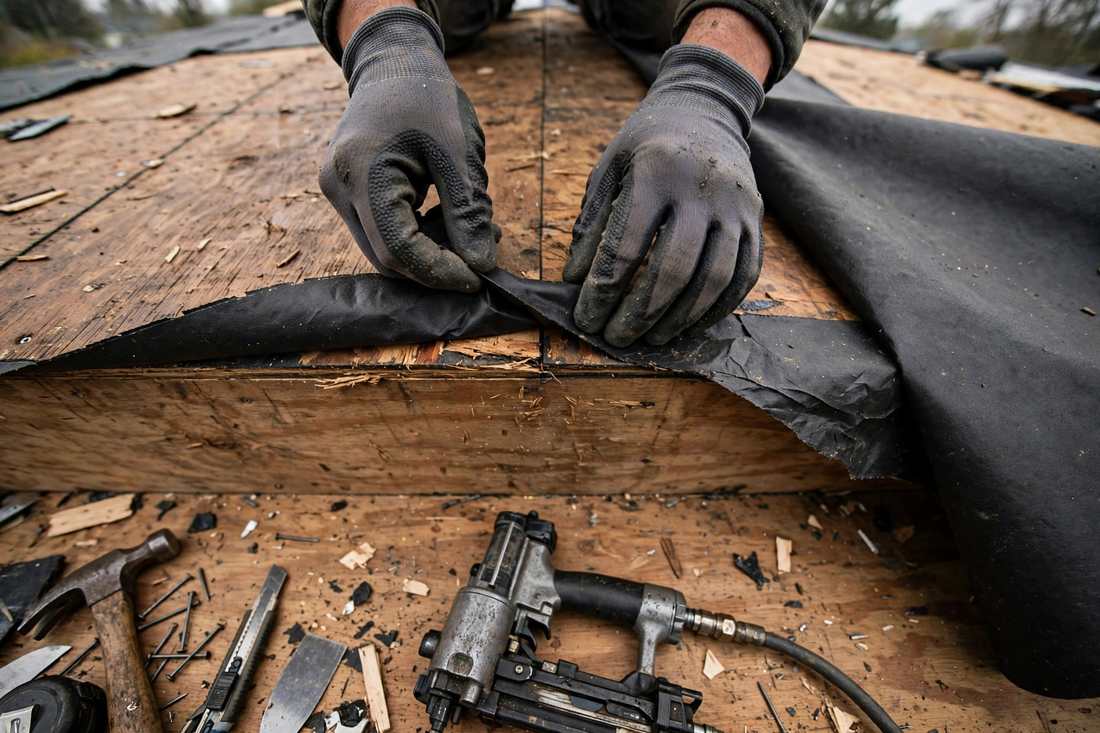
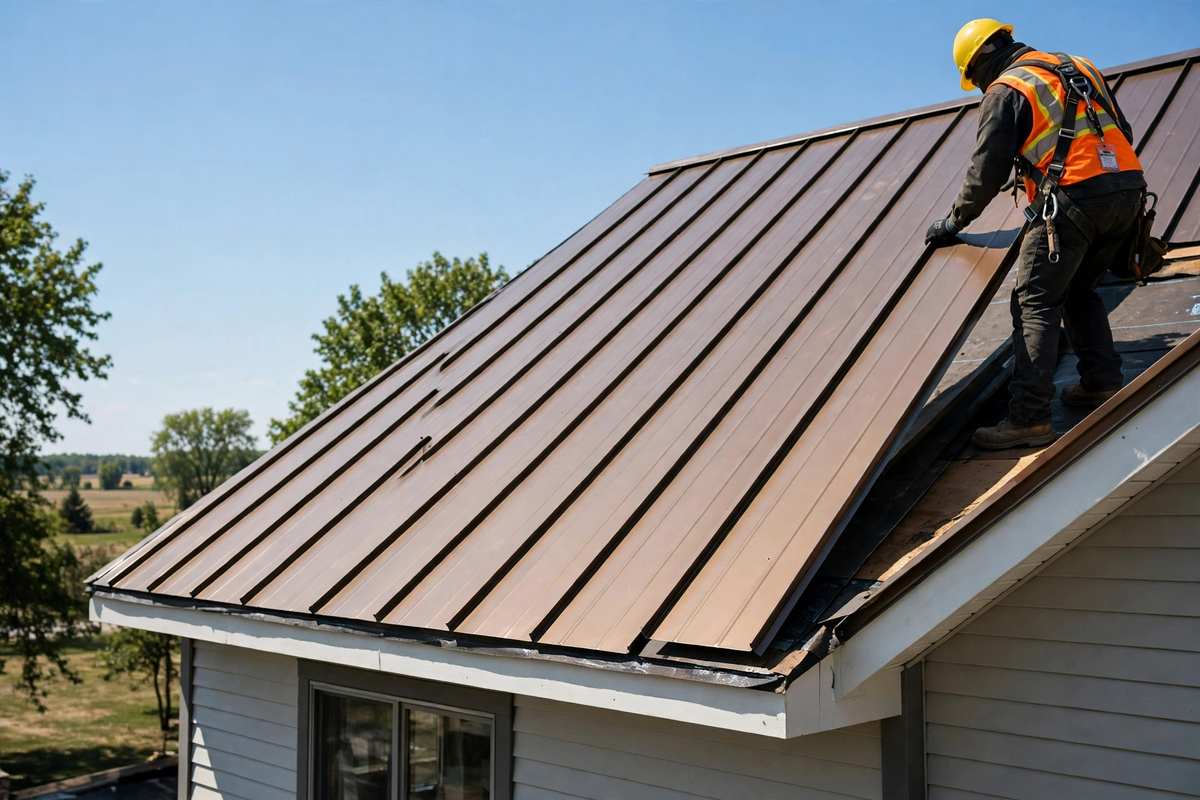
Roof Replacement — second view

Roof Replacement in Union Park

Planning a replacement starts with the roofline: steep Period Revival complexity near the park, or moderate Craftsman gables farther out, then the decking beneath. A scope should be written around the house's own form, including the ice barrier and the flashing at every joint.

  • Roofline first
  • Complex and simple forms
  • Ice barrier on re-roofs
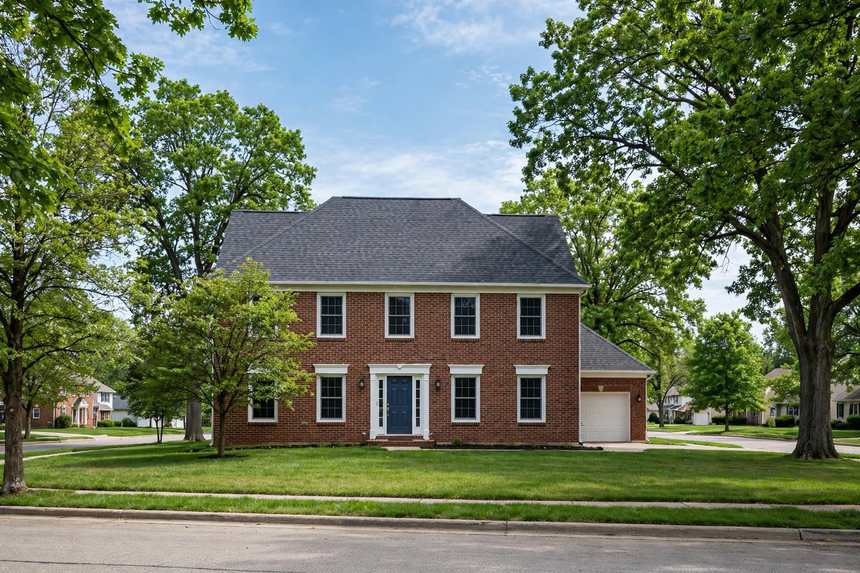
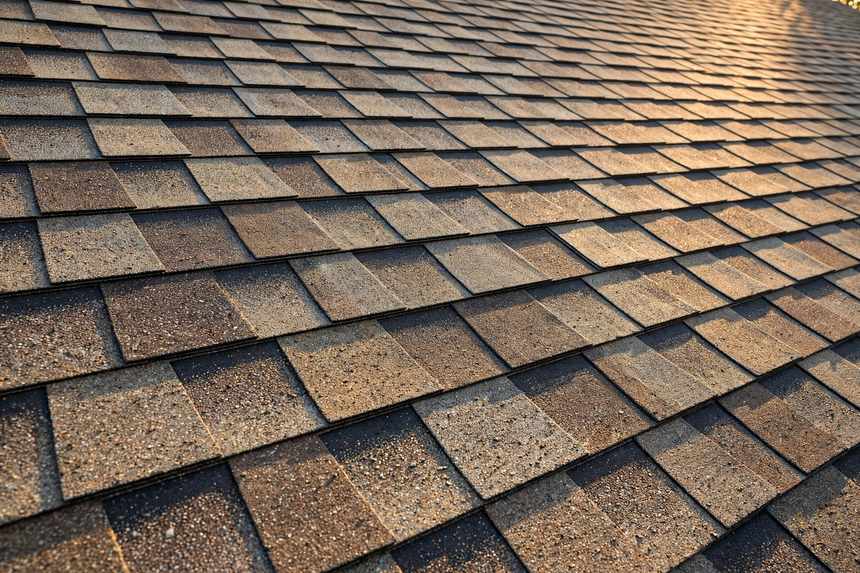
Pitched roofs on neighborhood homes

For homes in Union Park

Union Park's homes were built in Period Revival and Arts and Crafts styles over the two decades after the park opened, with later infill mixed in. Roofing plans follow the individual house and its position in the neighborhood.

  • Period Revival homes
  • Arts and Crafts homes
  • Later infill housing
  • About 2,200 single-family dwellings
For larger homes near the park

For larger homes near the park

The 2025 plan draft records that larger homes were built on lots closest to the park, and larger homes imply larger, more complex roofs. Work on these houses gives extra attention to valleys, dormers, and the full flashing scope, because the roofline has more joints to fail.

  • Larger homes closest to the park
  • Steep pitches and complex rooflines
  • Extensive valley and dormer flashing
  • Smaller homes farther out

Roofing Problems in the Union Park Neighborhood

The problems below follow from the neighborhood's housing gradient and its park setting: complex roofs near the park, simpler roofs farther out, and tree cover throughout.

  • Ice dams on complex and simple roofs alike

    Ice dams on complex and simple roofs alike

    Attic heat melts snow high on the roof, and the meltwater refreezes at the eaves. Air sealing and ventilation in the attic, plus the ice barrier required at re-roof time, form the prevention. No removal service is claimed.

  • Hail and wind across 96 blocks

    Hail and wind across 96 blocks

    Hail bruises shingles and wind lifts courses, and larger roofs present more plane area to a storm. The Des Moines hail core runs April 14 to September 6, peaking in June. After a storm, each plane should be documented.

  • Leaks at valleys, dormers, and chimneys

    Leaks at valleys, dormers, and chimneys

    Valleys, dormer cheeks, and chimney flashing are the joints that fail most on complex rooflines. Chimney flashing belongs to the roofer, crown and brick to the mason, and a leak report should say which trade each gap needs.

  • Gutters under park-setting trees

    Gutters under park-setting trees

    Tree cover from the park setting loads gutters and valleys with leaves. Gutter installation, repair, guards, and downspouts address drainage; gutter cleaning is not offered as a standalone service.

Signs a Union Park Roof Needs Attention

On larger, more complex roofs, these signs can hide on one plane while the rest looks sound. A full-roofline inspection is the way to find them.

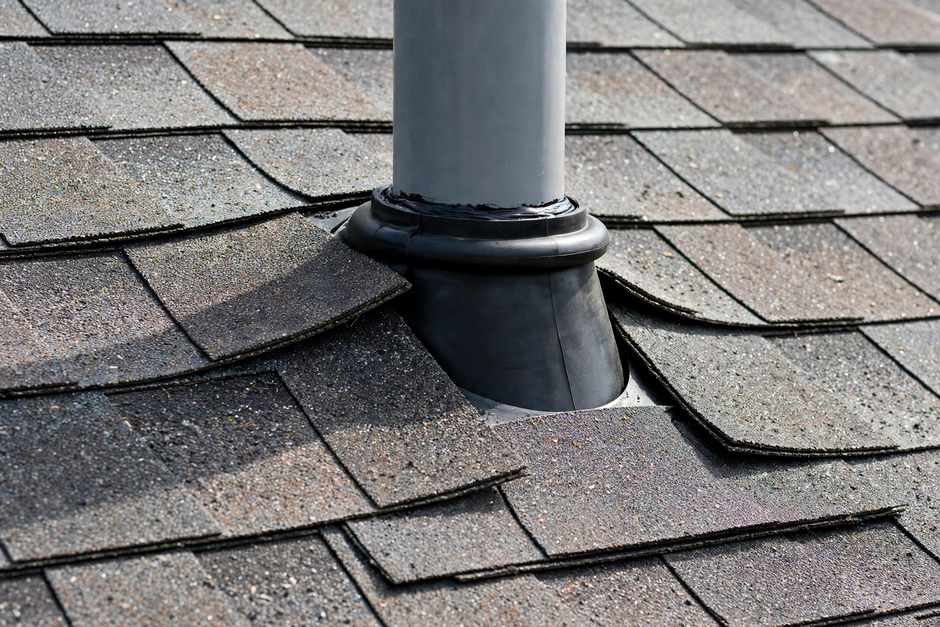
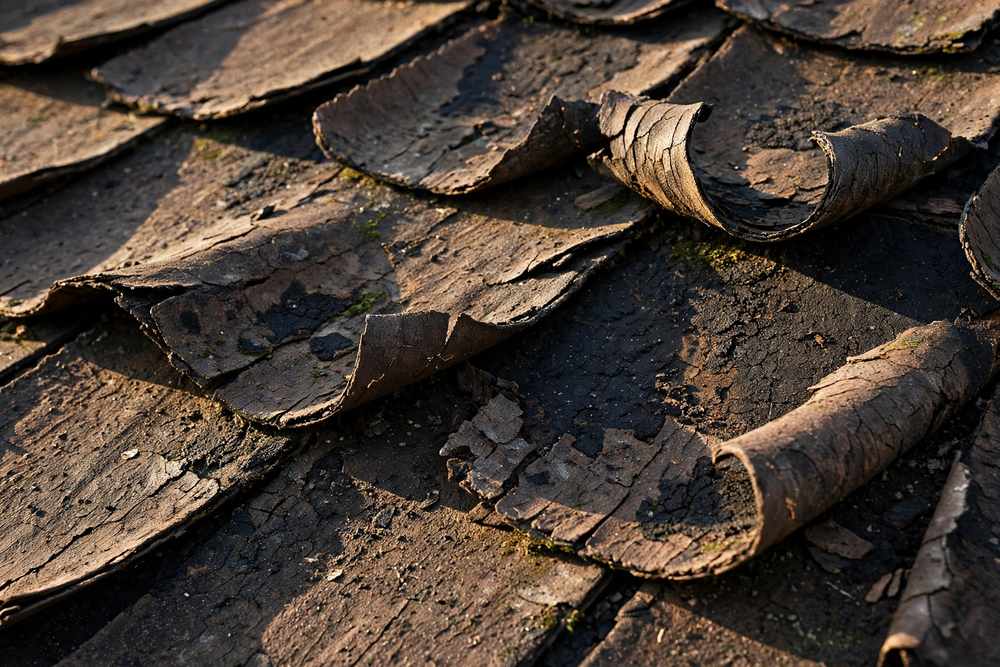
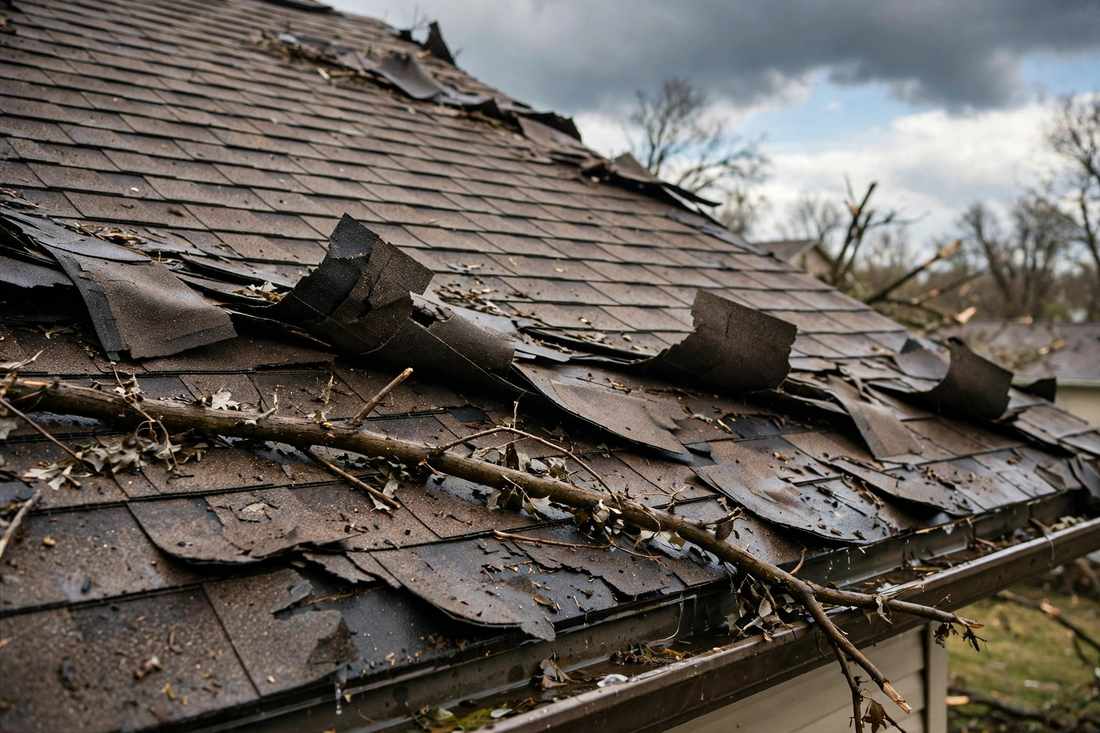
Roof surface showing signs of wear
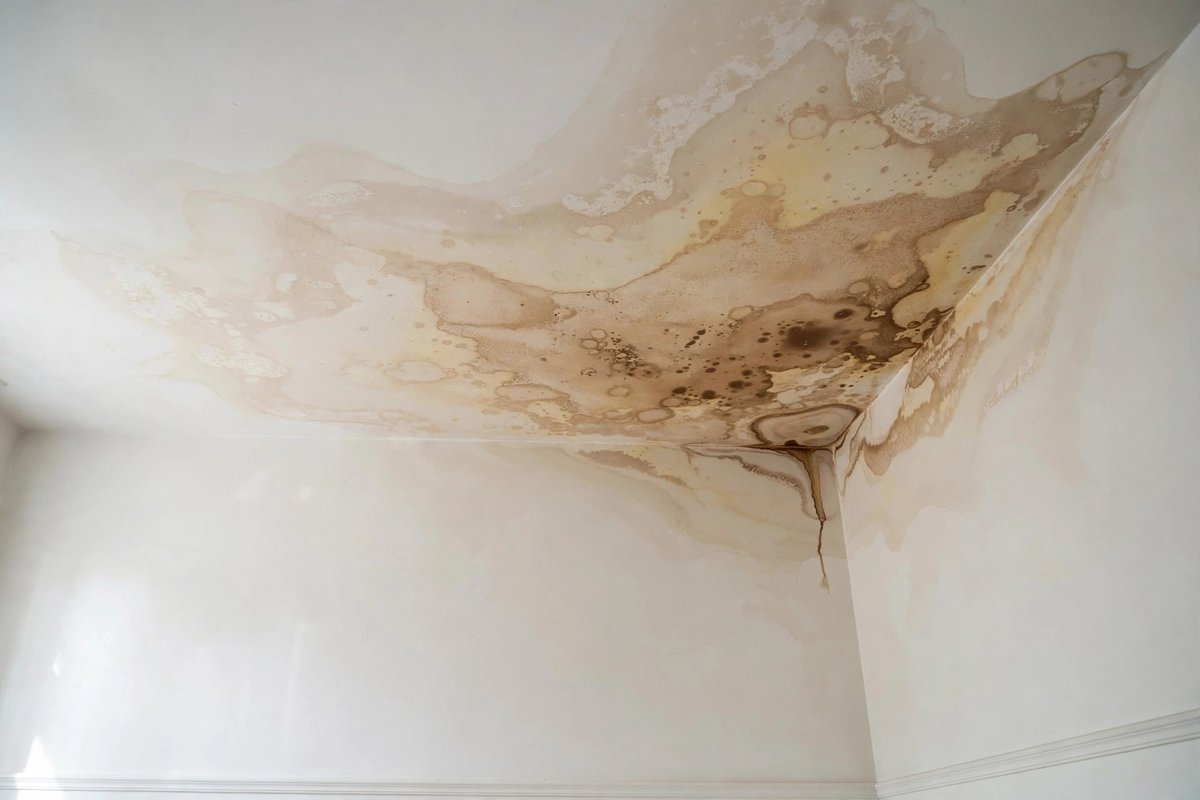
  • Stains on ceilings or walls

    A ceiling stain after rain usually starts at flashing, a valley, or a damaged course, and on a complex roofline the entry point can sit far from where the stain shows. Tracing the water's path matters more than patching the stain.

  • Shingles curling or missing

    Aging shingles curl and crack, and wind removes the weakest courses. Larger roofs should be checked plane by plane, since one slope can fail while others hold.

  • Granules collecting in gutters

    A surge of granules after hail is worth recording, since granule deposits track shingle aging. On park-setting lots, the granules arrive mixed with leaf debris in gutters and valleys.

  • Sagging or soft decking

    A visible dip in a plane often means the decking beneath has softened with moisture. The attic side, where it can be reached, reveals the size of the affected area, and the scope follows that evidence.

  • Daylight in the attic

    Roof boards that let light through have gaps, and gaps admit water and air. Penetration gaps and damaged-board gaps are repaired differently, so an inspection should separate them.

What Union Park Houses Call For

Union Park's roofing story is the park, the size gradient, and the river edge. The notes below cover each, plus the permit and registration rules that apply across the city.

  • The park-proximity size gradient

    The organizing idea for Union Park roofing is the gradient the 2025 plan draft describes: larger Period Revival homes on lots closest to the park, smaller homes elsewhere. Larger homes imply larger and more complex roofs, with more valleys, dormers, and flashing joints, while smaller Craftsman homes carry moderate-pitch gables with porches and dormers. A scope should say where on that gradient the house sits.

  • Period Revival and Arts and Crafts forms

    The two styles named in the plan draft carry different roof forms. Period Revival homes lean toward steep-pitched gables and hips with complex rooflines, and Arts and Crafts homes toward moderate-pitch gables with porches and dormers. Those are inferences from the styles, offered as general guidance, and later infill adds varied forms to the mix.

  • The river edge and the parks

    Birdland Park and the Des Moines River form the western edge, and Union and Birdland Parks together hold 60 acres of open space in the older plan's accounting. The river bend is a geographic description, not a bluff claim, and no flood-zone claim is made for any home. The 2025 plan describes renewed investment in both parks, which is background context for the neighborhood, not a roofing claim.

  • The January 1, 2027 permit change

    Through the end of 2026, the City's published handout requires no building permit for a straight re-roof unless sheathing or rafters are repaired or replaced. A re-roofing permit becomes required on January 1, 2027, under Council Communication 26-244, adopted 7-0. No 2027 fee, ordinance number, repair threshold, or overlay-versus-tear-off rule is verified. Either the contractor or the property owner may submit the application.

  • Registration, codes, and district status

    Iowa registers contractors under chapter 91C through DIAL. The 2024 codes have applied since January 1, 2026, with an ice barrier required and City design criteria of 33 pounds per square foot of snow load and 115 mile-per-hour wind speed. No historic district inside Union Park's bounds has been verified: the Highland Park business districts sit north of Hull Avenue, and the River Bend districts sit across the river. No registration claim for this business is published here.

Places That Orient a Union Park Roofing Visit

These places come from the Union Park action plan and the 2025 revitalization plan draft. The park and the neighborhood share a name; the entries below keep them distinct.

  • Union Park

    The park itself, opened in 1896 as one of the city's four original parks, on a scenic bend of the Des Moines River. The neighborhood grew around it over the following two decades.

  • Birdland Park

    The neighboring park on the river edge, sharing 60 acres of combined open space with Union Park in the older plan's accounting. Together the parks anchor the neighborhood's western side.

  • Des Moines River

    The river forms the western edge of the neighborhood, with its scenic bend giving the park its setting. The river is geography here, not a flood claim.

  • Grand View University

    Formerly Grand View College, founded in the Danish Evangelical Lutheran tradition, occupying six to eight blocks inside the neighborhood. The university is background only, and no institutional work is implied.

  • Heritage Carousel

    One of Union Park's features, along with the rocket slide, playgrounds, and tennis courts. The carousel and slide mark the park as a gathering place for the surrounding blocks.

  • East 9th Street

    The center of the Scandinavian settlement from about 1866, with Hull Avenue. Churches and the college anchored the early neighborhood around this intersection.

  • Hull Avenue

    The neighborhood's northern bound, on its south side, with Highland Park/Oak Park across it. Hull Avenue is also one of the two streets anchoring the early settlement.

Where Union Park Sits in Des Moines

Union Park's bounds are verified in the association bylaws: Hull Avenue to the north, on its south side; the railroad tracks or Glenbrook Drive to the east; Washington Avenue to the south, on its north side; and the Des Moines River and 2nd Avenue, on the east side of 2nd, to the west. The neighborhood covers 96 blocks in the northeast part of the city.

  • Des Moines River and 2nd Avenue
  • Railroad tracks / Glenbrook Drive
  • Washington Avenue
  • Hull Avenue

Roofing Situations in Union Park

  • A valley leak on a large park-adjacent roof

    The situation

    Water stains appear below a valley on a large Period Revival home near the park. The roofline has several intersecting planes, and the stain sits below none of them obviously.

    The approach

    Mapping the full roofline, valley by valley and dormer flashing run by dormer flashing run, with the attic side included, is what this situation calls for. The scope should name the valley work and the whole flashing picture, not only the stained area.

  • A porch tie-in leak on a Craftsman home

    The situation

    A leak shows where a porch roof meets the main house on a smaller Craftsman home farther from the park. The porch roof is low-slope, and the tie-in flashing has aged.

    The approach

    Checking the tie-in flashing, the porch roof surface, and the wall intersection above it is the inspection's work here. With the tie-in work named in the scope, the joint, rather than the symptom, is repaired.

  • Hail on a large, multi-plane roof

    The situation

    After a June storm, granules fill the gutters and several planes show bruising, unevenly. The largest planes face the storm's direction.

    The approach

    Photographs of each plane, taken after a storm, let the repair-or-replacement decision rest on the whole roof. No insurance outcome is promised along the way.

What Google reviewers say about ZT Contracting LLC

5.05.0 stars from 16 Google reviews

  • These guys are amazing! This was my first experience with needing damage repairs on our roof and I was worried it would be a stressful process. Tim was incredibly informative and answered any questions we had, even worked with our insurance to get our needs met. They completed our home within a day, and even kept us updated on the progress when we had to leave town. It's beautifully done, and I will absolutely use them again. Thank you again to the whole crew!
    StephanieGoogle review · 3 months ago
  • They did an awesome job! Our job was a small one, but they didn't hesitate to do it when bigger companies felt it wasn't worth their time. Friendly and professional! I would recommend ZT Contracting for your siding & roofing needs.
    Shelly LacyGoogle review · 3 months ago
  • I had a roof stripped off and new installed by ZT contracting. They were very professional with great communication. It was definitely faster than expected and even came in under budget. I am more than satisfied with the quality of work and company. Thank you ZT CONTRACTING. I'm sure you'll see me again.
    Joe MueggenbergGoogle review · 6 months ago
  • I have had the best experience with ZT Contracting. The company and it's workers are hard working, time efficient ,and helpful . Their employees go above and beyond to produce quality work and amazing outcomes. Highly recommend.
    Anthony PolsonGoogle review · a year ago
  • Did great work! Very professional, easy to work with and had great communication. Great price and value compared to other contractors!
    NicoleGoogle review · a year ago

Union Park Roofing Through the Seasons

  • Spring

    Mid-April opens hail season, and spring rain exposes leaks at valleys and dormers. On larger roofs, a spring inspection should take in every plane rather than a sample, ahead of the June hail peak.

  • Summer

    June is the busiest hail month, and summer storms test both large Period Revival rooflines and smaller Craftsman roofs. Post-storm inspections should document each plane and ridge.

  • Fall

    Fall, from September to November, is the window for finishing repairs and confirming gutters drain before winter. Trees in the park setting drop a heavy leaf load, so gutters and valleys need fall attention.

  • Winter

    Ice dams belong to December through March, in a city whose NOAA 1991–2020 normals record 36.5 inches of snow. Ventilation and the ice barrier are the prevention measures, on large and small roofs alike.

What to Ask Before Hiring a Roofer in Union Park

Union Park's houses reward questions about roofline complexity, the park gradient, and the full flashing scope.

  • How will you handle a complex roofline?

    On a larger Period Revival home, ask how the scope describes valleys, dormers, and flashing joints. A scope that treats a complex roof as one plane is missing the work that matters.

  • What will the inspection cover?

    Ask whether shingles, flashing, valleys, dormers, porches, gutters, and ventilation are covered, with photos, and whether every plane is inspected rather than a sample.

  • Will the written scope name the flashing work?

    Get the scope in writing, with valley, dormer, and chimney flashing named, and with the handling of decking repair spelled out in case tear-off reveals it.

  • What are the permit and registration rules?

    Two citywide rules frame the job. A straight re-roof needs no City permit through December 31, 2026, unless sheathing or rafters are repaired or replaced; a re-roofing permit is required from January 1, 2027. And Iowa registers contractors under chapter 91C through DIAL; a homeowner can ask for the registration number and check it against the state record.

  • Is any historic review required here?

    No historic district inside Union Park's bounds has been verified. The Highland Park business districts are north of Hull Avenue and the River Bend districts are across the river, and neither imposes review on Union Park houses.

FAQs About Roofing in Union Park

Still wondering? (515) 385-2566

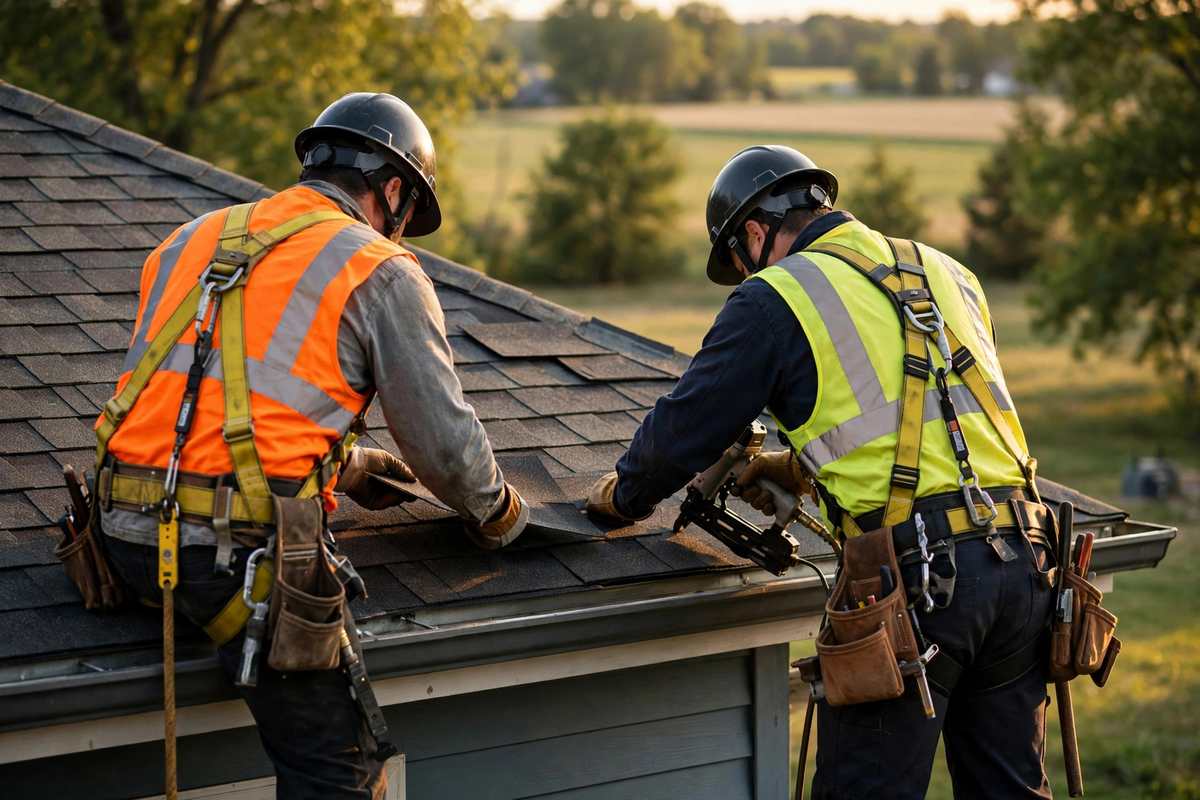
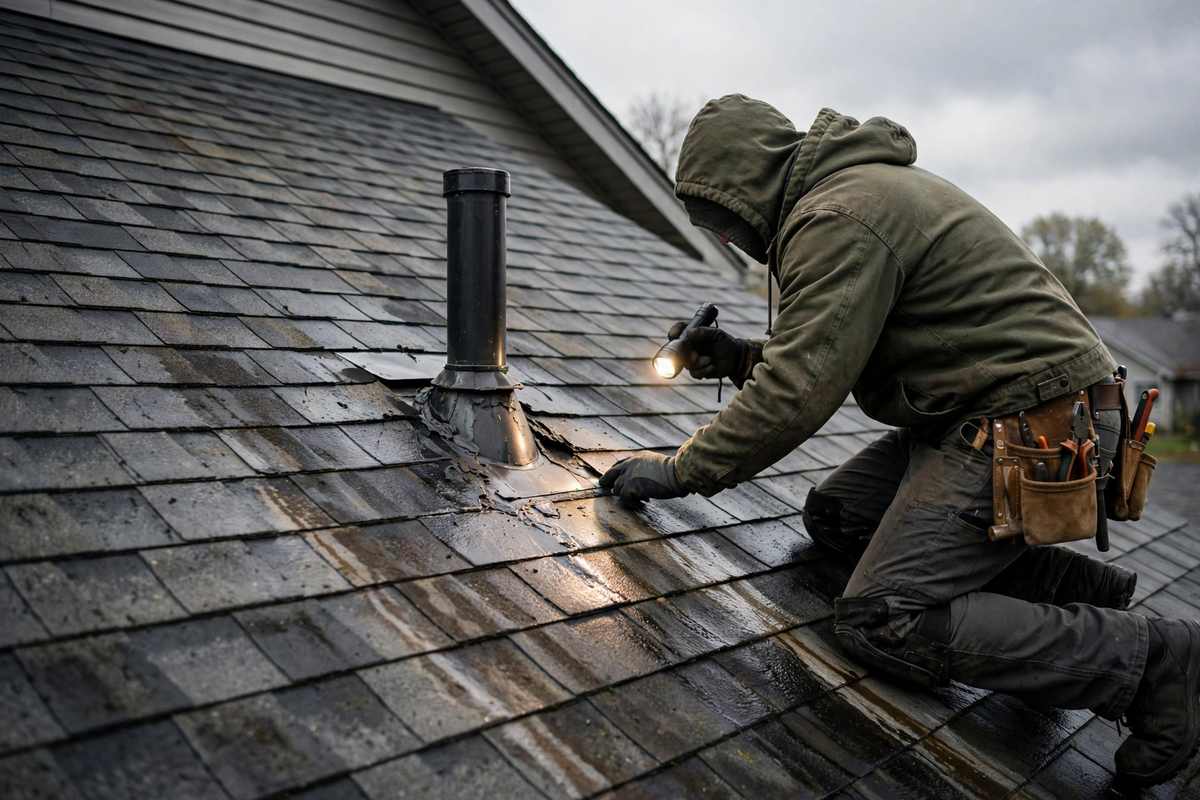
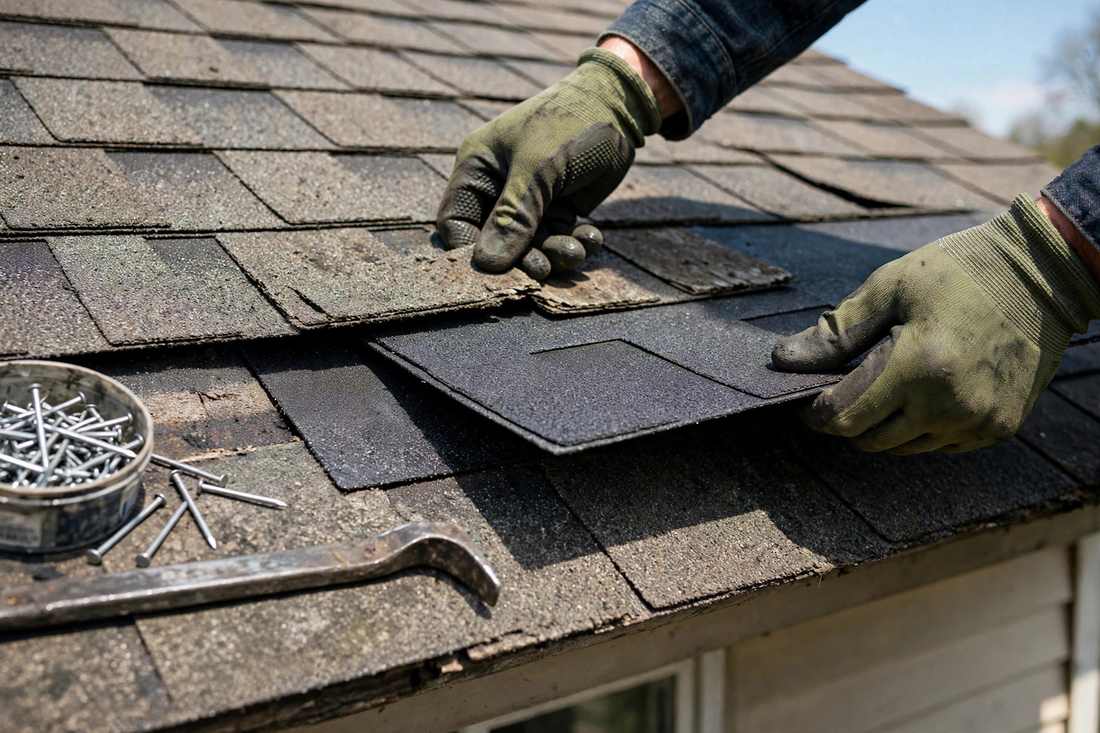
Inspecting a roof surface

Call ZT Contracting LLC About Roofing in Union Park

For a Union Park roof inspection, repair, or replacement, call (515) 385-2566. Business hours are Monday through Saturday, 8 AM to 6 PM, and the business is closed on Sunday.

Get Your Roof Inspected in Union Park

Call (515) 385-2566 to discuss a roof in the Union Park neighborhood. Hours are Monday through Saturday, 8 AM to 6 PM, with Sunday closed. ZT Contracting LLC is located at 3501 Bowdoin St, Des Moines, IA 50313. If water is coming in, say so when you call so the conversation starts with the leak.