Roofing in Waveland Park, by the Golf Course

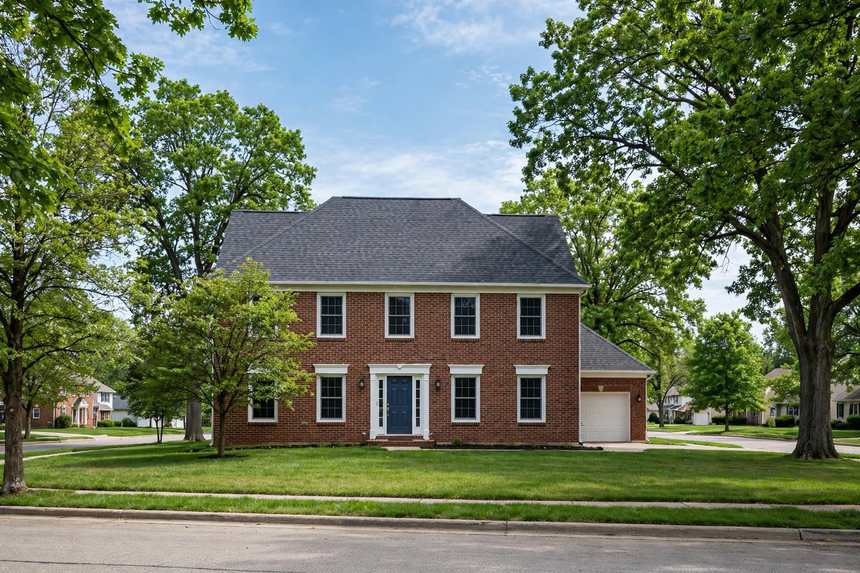
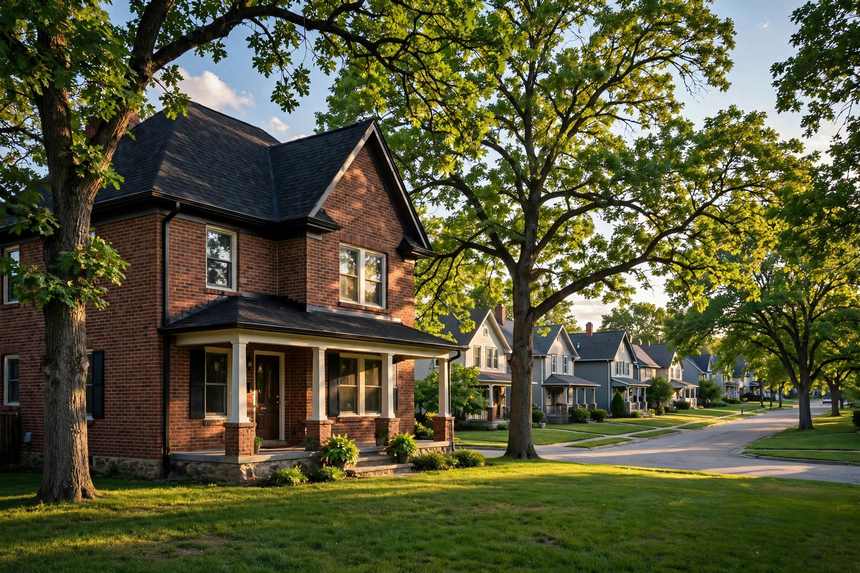
Roof repair in Waveland Park, Des Moines, IA, takes place in a neighborhood where the golf course and Glendale Cemetery occupy about half the land, and the houses are mainly 1920s and 1930s bungalows and Foursquares with Craftsman detailing. ZT Contracting LLC provides roof repair, replacement, leak repair, storm damage repair, and inspections for homes here, between Franklin Avenue and I-235. Call (515) 385-2566, Monday through Saturday, 8 AM to 6 PM.

  • Address3501 Bowdoin St, Des Moines, IA 50313, United States
  • Phone(515) 385-2566
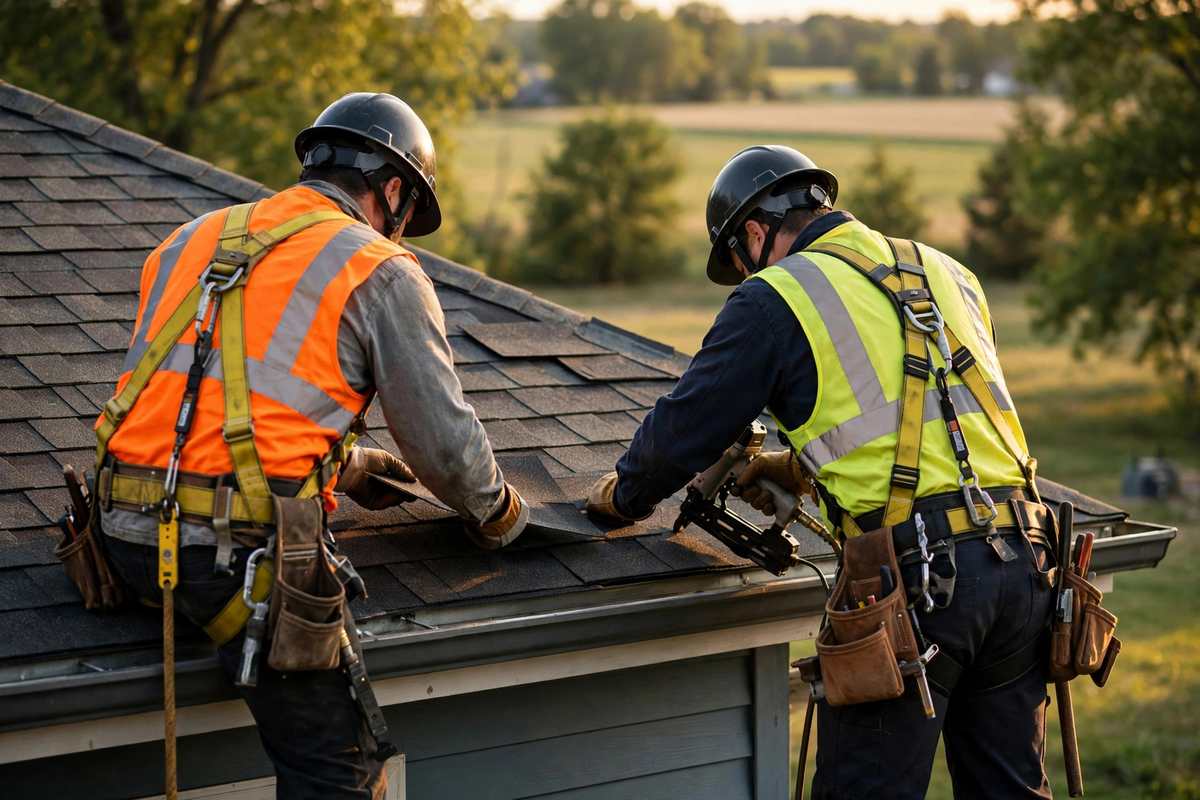
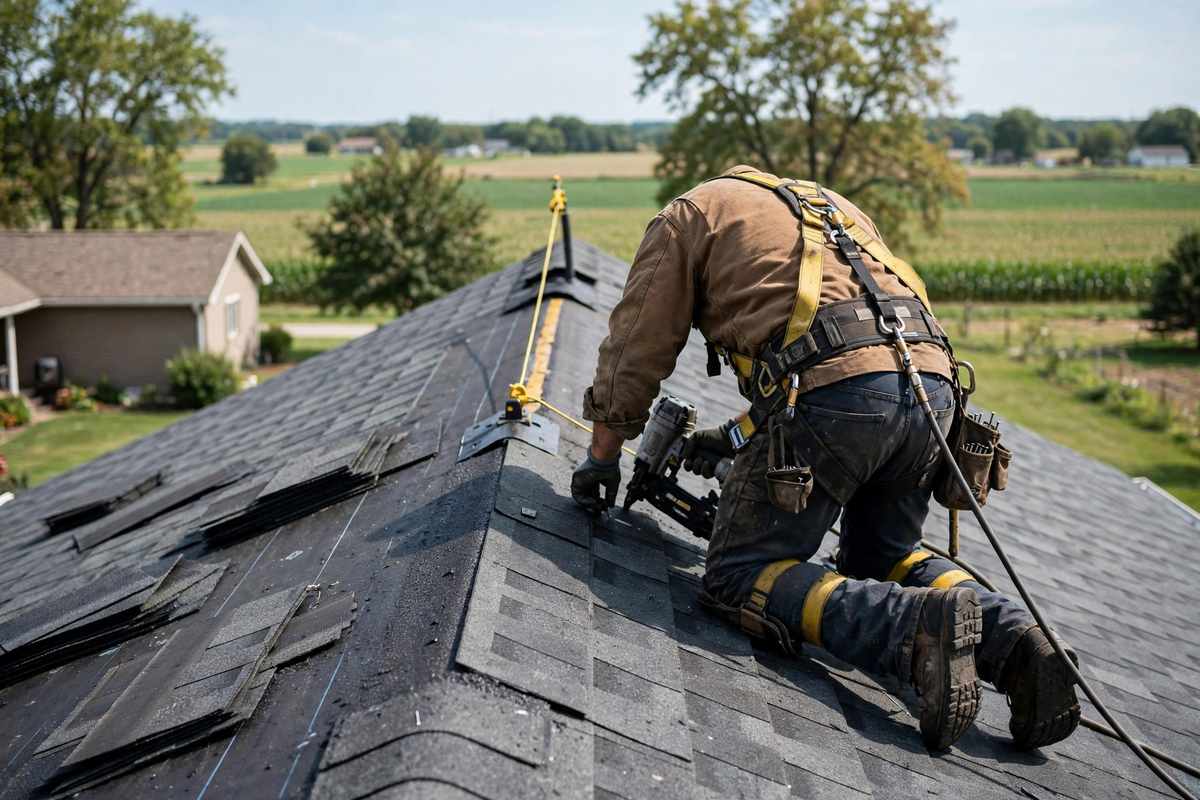
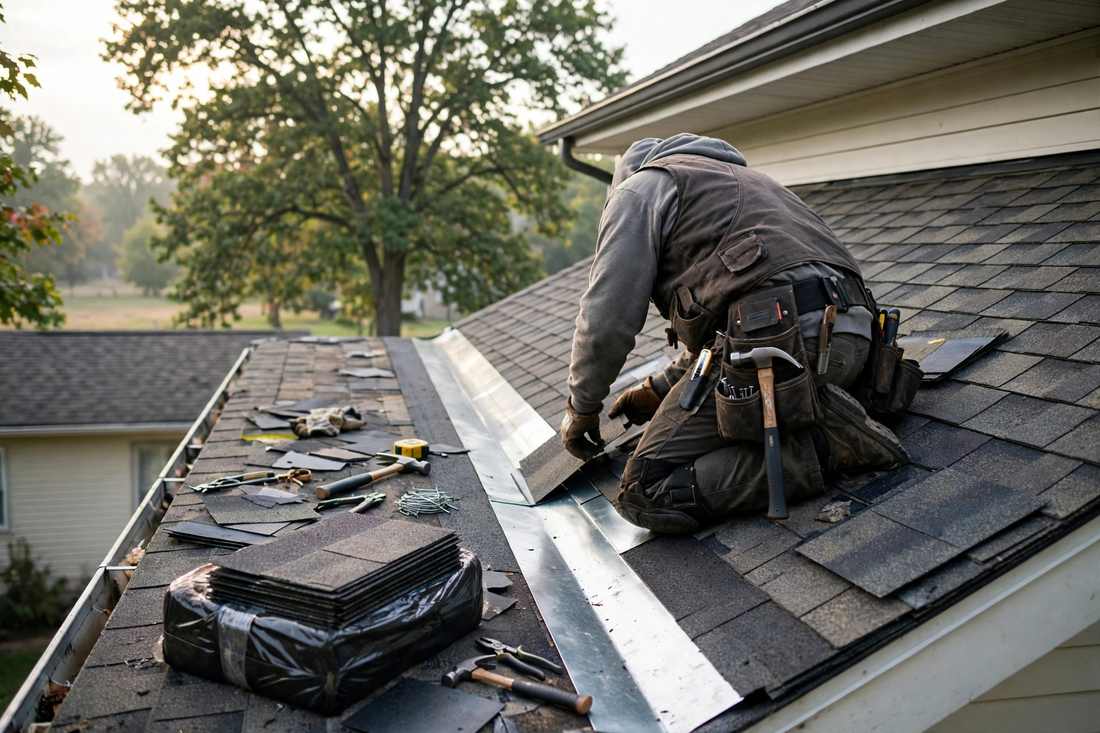
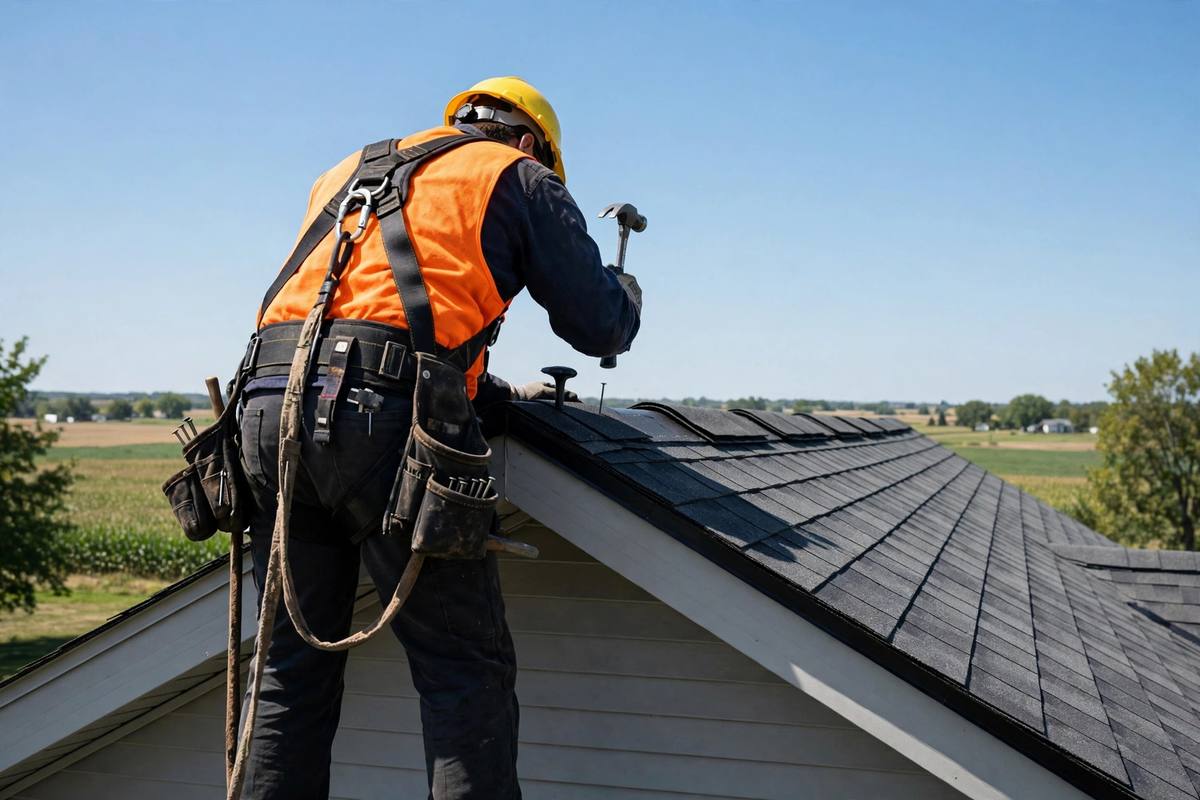
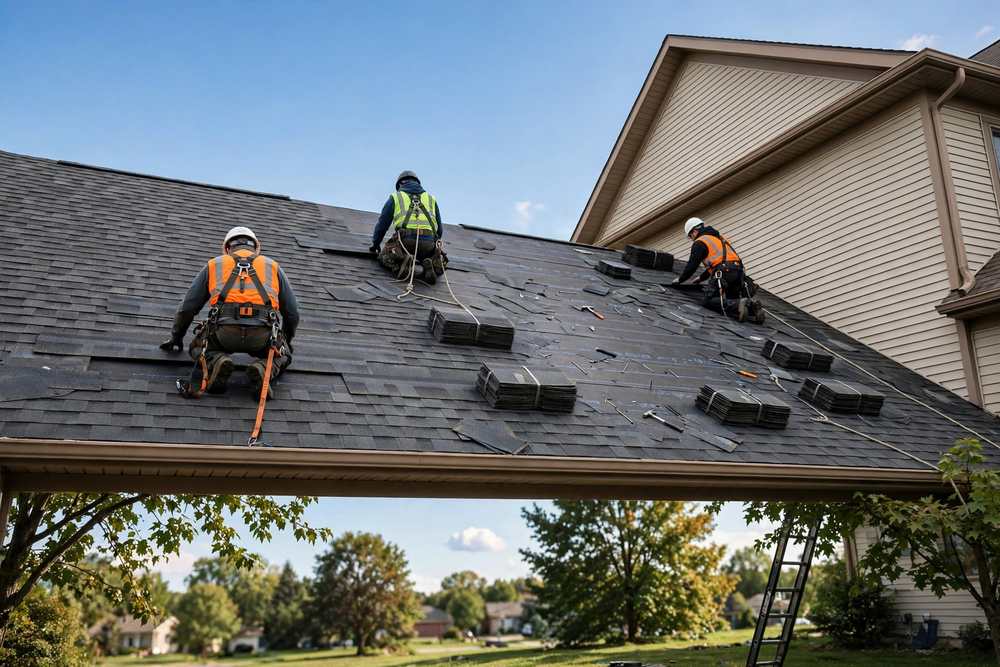
Roofing crew at work on a home in Waveland Park, Des Moines, Iowa

Roofing in Waveland Park, Des Moines

  • 5.0 stars from 16 Google reviewsAll 16 reviews five stars
  • Monday–Saturday, 8 AM–6 PMClosed on Sundays
  • 3501 Bowdoin St, Des MoinesRoofing contractor, Des Moines, IA
  • Roof repair and replacementLeak, storm, and inspection work too

Bungalows and Foursquares Around the Golf Course

Waveland Park grew with the westward expansion around the Waveland Park Golf Course, which opened in 1901 on land deeded in 1894 by Fannie Mae Ingersoll, and which the neighborhood plan and course history describe as the oldest public or municipal golf course west of the Mississippi. Glendale Cemetery, with its first burials in 1906, joins the course in occupying about half the neighborhood. Development ran mainly from the early 1920s to the 1930s, the schools date to Hubbell in 1910, Perkins in 1918, and Roosevelt in 1923, and the plan names bungalows and Foursquares with Craftsman detailing as the predominant styles. The Drake Municipal Observatory, opened in 1921, stands in the center of the course, and the land is rolling wooded hillside.

Roof forms here follow the bungalow and Foursquare pattern: pitched roofs in hipped and gabled forms, with Craftsman detailing such as exposed rafter tails and dormers. Those details are form-based inferences from the housing styles, offered as general guidance. The golf course and parkland bring heavy tree exposure to the surrounding houses, and the MacVicar Freeway, I-235, took about 25 acres of the park's south side in the 1960s, rerouting Golf Creek beneath the freeway. No historic district covers the neighborhood, and the ward picture is split along University Avenue, so this page assigns Waveland Park to no single ward.
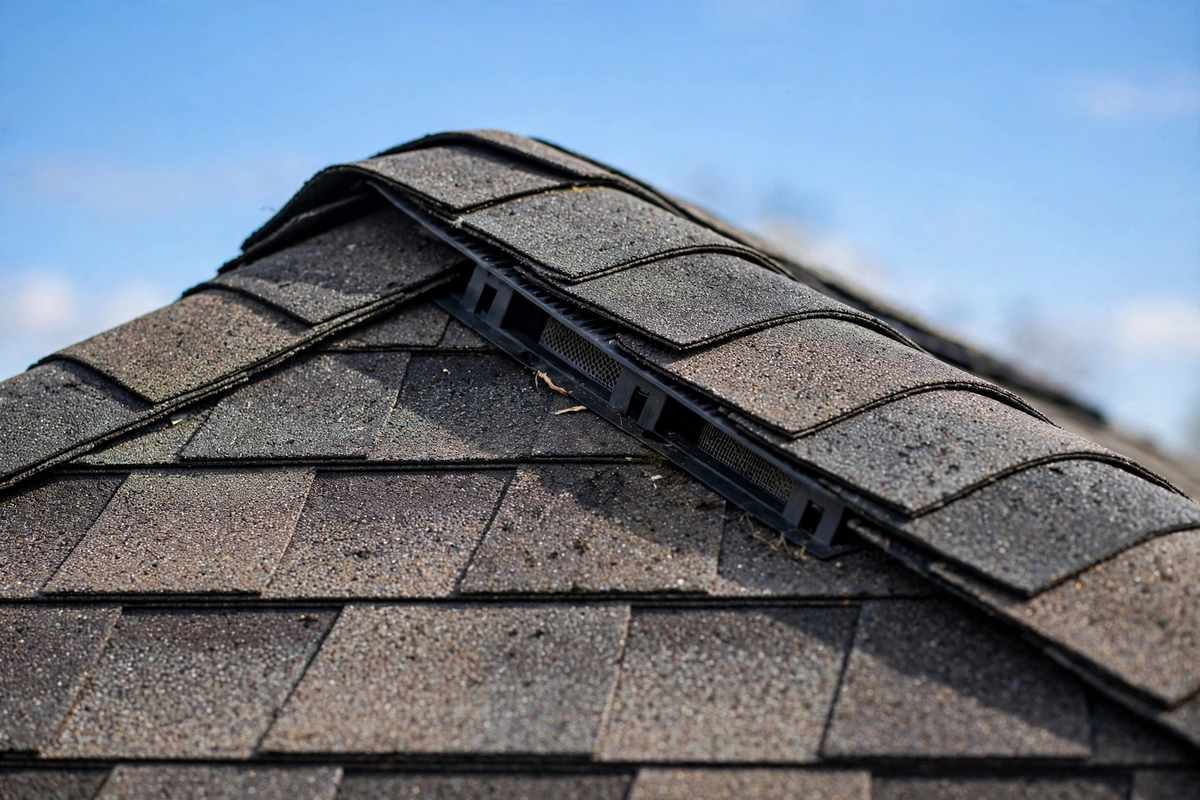
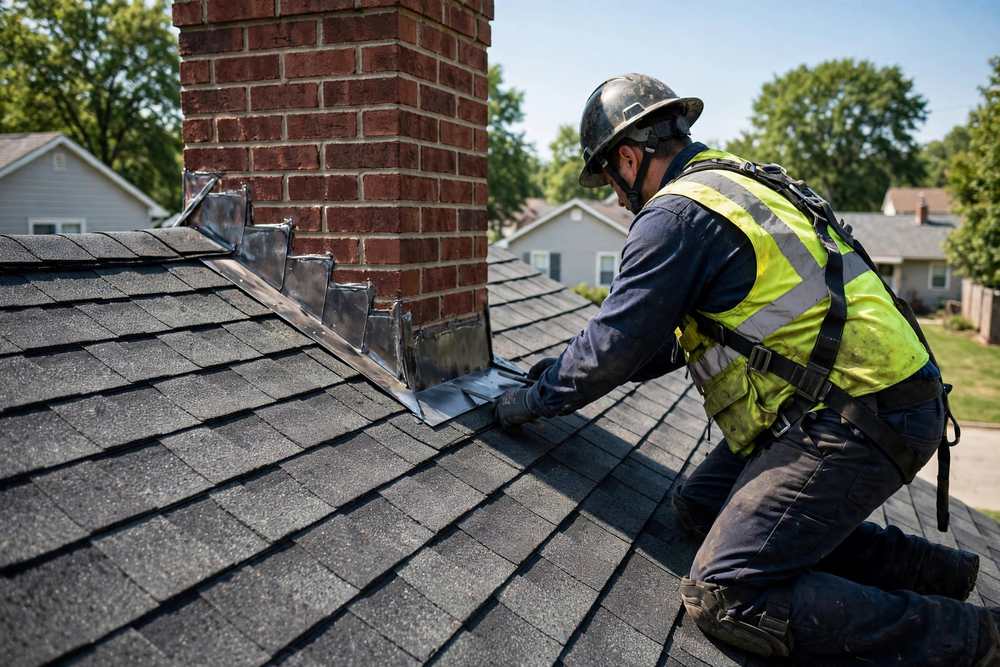
Residential roofing work

Roofing Services for Waveland Park Homes

The services below are described for bungalow and Foursquare roofs on wooded, rolling lots. Each service page gives the fuller picture; the notes here tie the work to this neighborhood.

How Roofing Work Proceeds in Waveland Park

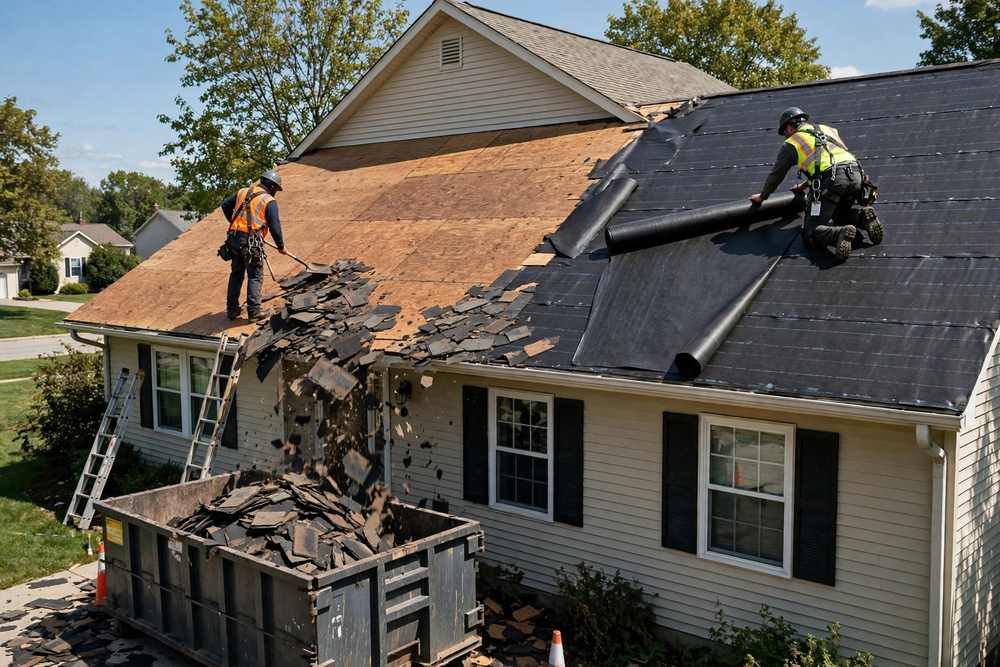
Roof Replacement — second view

Roof Replacement in Waveland Park

Planning a replacement starts with the roofline: hips, gables, dormers, and the Craftsman eave details, then the decking beneath. Tree exposure is part of the planning, because shaded planes and debris loading affect both the work and the roof's later life.

  • Hipped and gabled rooflines
  • Dormer and eave detailing
  • Tree exposure
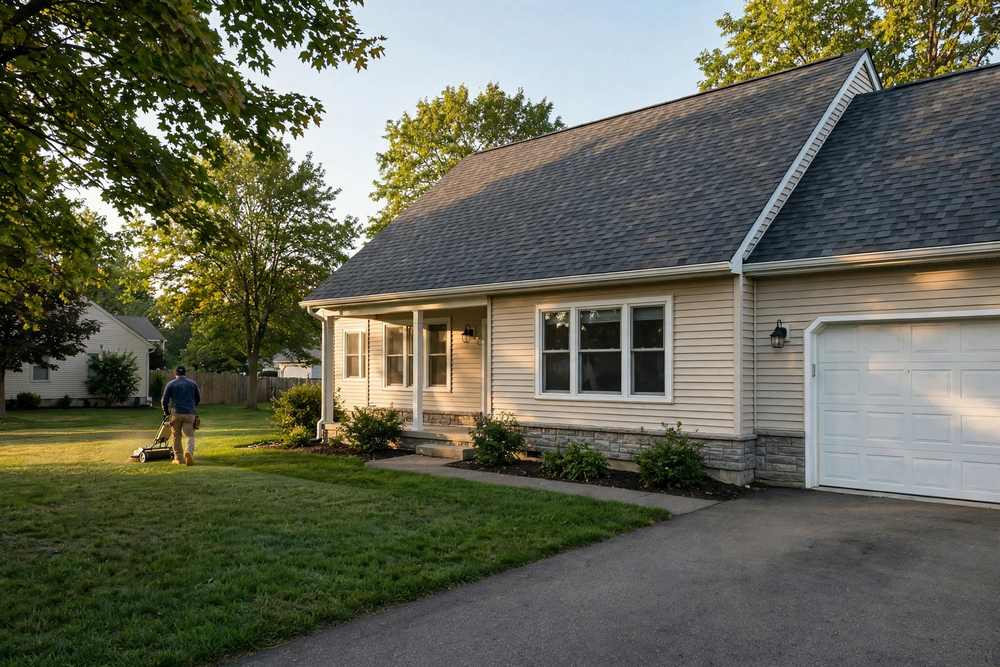
Pitched roofs on neighborhood homes

For homes in Waveland Park

Waveland Park's homes are mainly bungalows and Foursquares from the early 1920s to the 1930s, with Craftsman detailing. Roofing plans follow the house: its form, its dormers, and the condition of its flashing and decking.

  • Bungalows with Craftsman detailing
  • Foursquares, hipped and gabled
  • Dormers and exposed rafter tails
  • Homes from the 1920s and 1930s
For homes near the course and wooded hillsides

For homes near the course and wooded hillsides

Houses near the golf course, the cemetery, and the wooded hillsides live under heavy tree exposure from all three. Branches, leaves, and shade affect valleys, gutters, and shingle life, and inspections here should say how the canopy meets the roof.

  • Golf-course tree exposure
  • Rolling wooded hillsides
  • Branch contact with shingles
  • Debris in valleys and gutters

Roofing Problems on Waveland Park's Wooded Lots

The problems below follow from the neighborhood's two facts: 1920s and 1930s pitched roofs, and rolling wooded hillsides around a golf course. Each is described so it can be recognized from the ground or the attic.

  • Ice dams on shaded hillside roofs

    Ice dams on shaded hillside roofs

    Shaded planes hold snow longer, and heat escaping through the attic melts the upper snow, which refreezes at the eaves. Prevention runs through attic air sealing and ventilation, plus the ice barrier required on re-roofs. No removal service is claimed here.

  • Hail and wind under the canopy

    Hail and wind under the canopy

    Hail bruises shingles and wind lifts courses, and tree cover does not prevent either. Des Moines hail days cluster from April 14 to September 6, with June busiest. After a storm, documenting each plane, including those hidden by canopy from the street, gives the decision its evidence.

  • Leaks at dormers and chimneys

    Leaks at dormers and chimneys

    Dormer flashing and chimney flashing are the joints that fail most on these roofs. Chimney flashing belongs to the roofer, while the crown and brick belong to a mason, and a leak report should say which side the problem is on.

  • Gutters filled by hillside leaves

    Gutters filled by hillside leaves

    The wooded hillsides shed leaves into gutters and valleys, and undrained water spills over fascia and siding. Gutter installation, repair, guards, and downspouts are the drainage services; gutter cleaning is not offered as a standalone service.

Signs a Waveland Park Roof Needs Attention

On wooded lots, some of these signs hide under the canopy. A roof-level look, not a street-level glance, is what finds them.

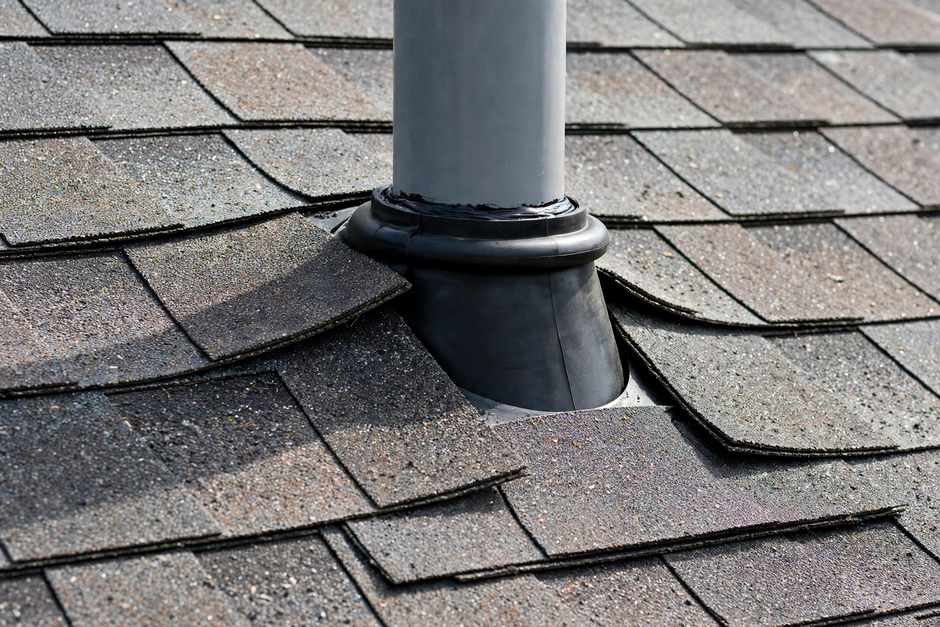
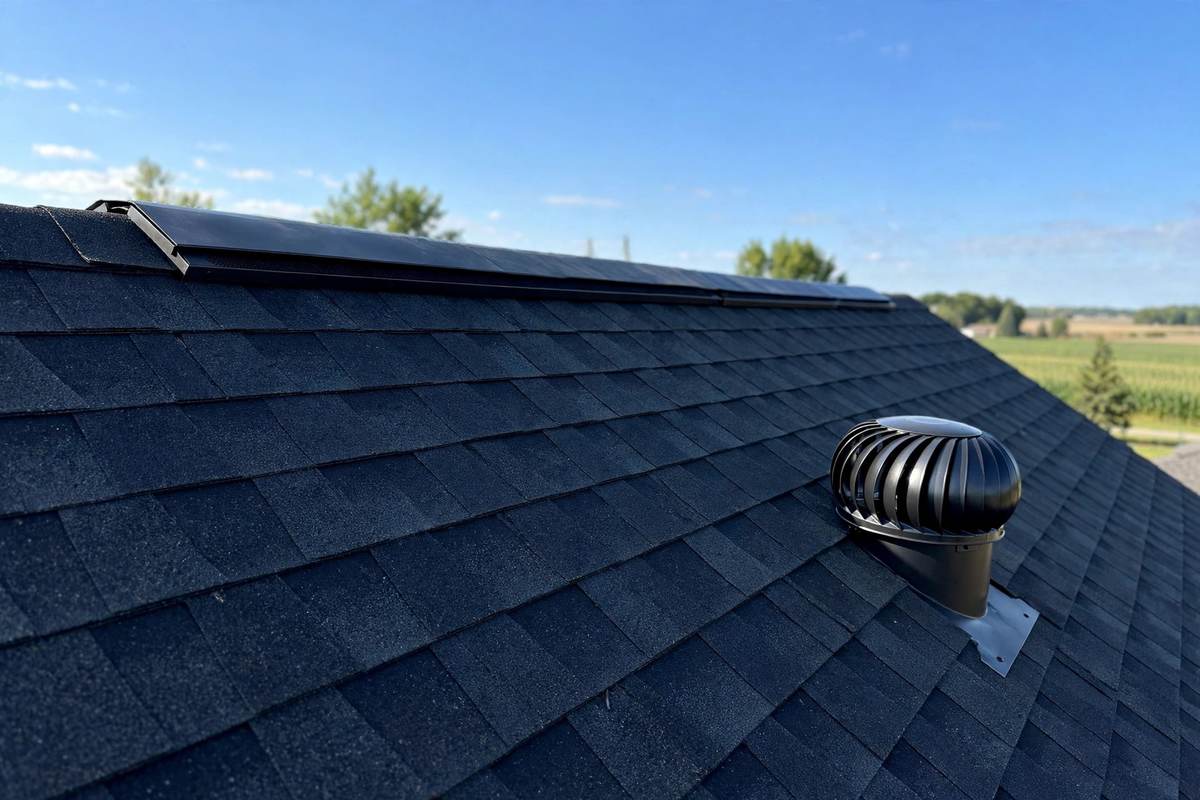
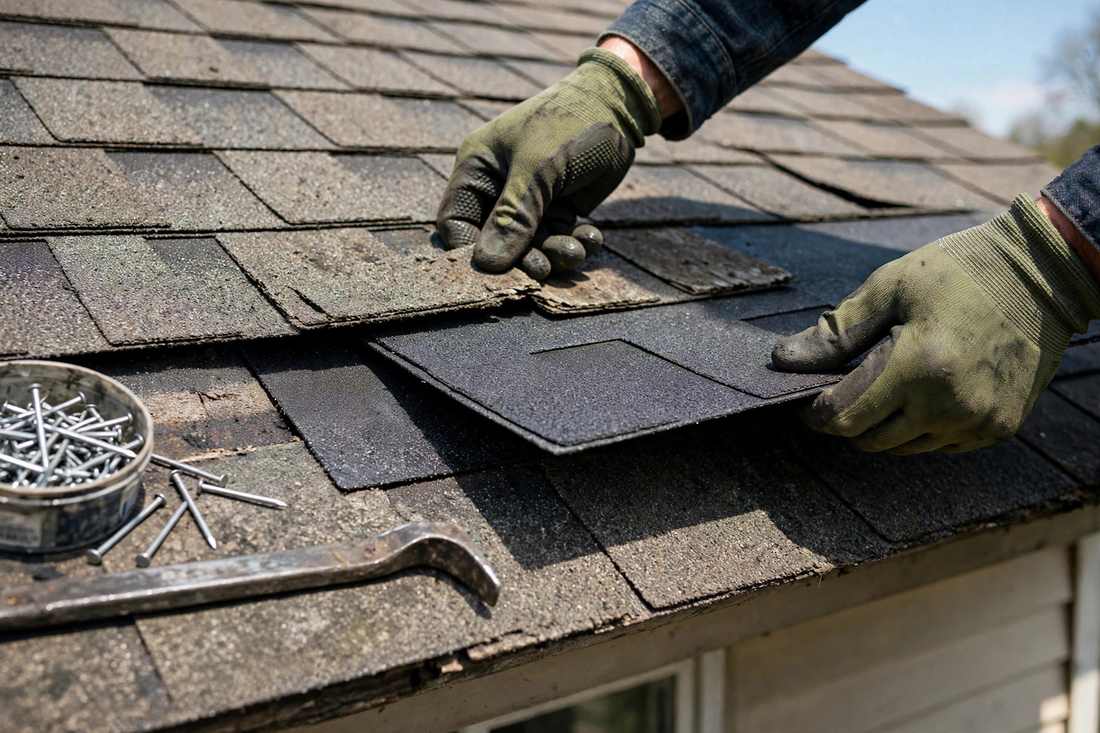
Roof surface showing signs of wear
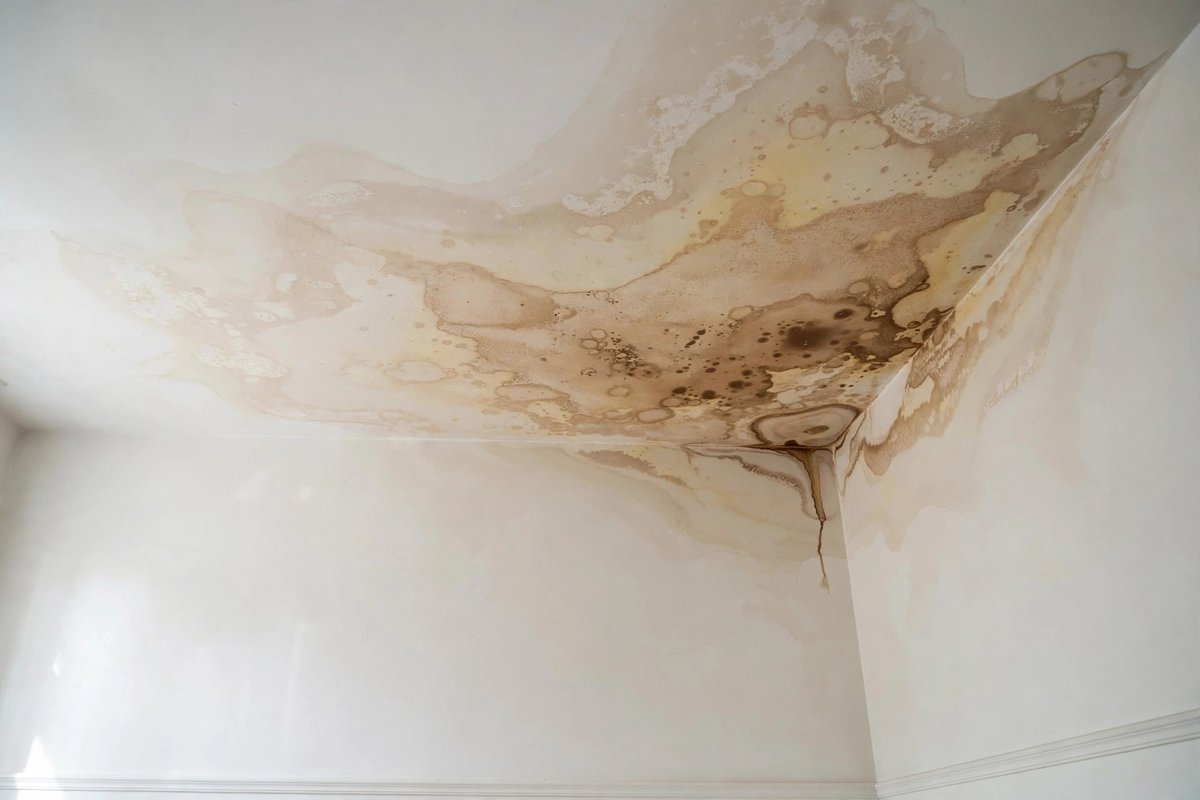
  • Stains on ceilings or upper walls

    A stain after rain usually means water entered at flashing, a valley, or a damaged course, then traveled. On a hipped or dormered roof, the entry point can sit well away from the stain.

  • Shingles curling, cracking, or missing

    Aging shingles curl and crack, and wind removes the weakest courses first. Shaded planes age differently from sunny ones, so an inspection should compare planes rather than judge the roof from one side.

  • Granules in gutters after storms

    Granule deposits in gutters mark shingle wear, and a surge after hail is worth recording. On wooded lots, granules mix with leaf debris, so gutters should be checked, not just glanced at.

  • Dips or soft spots in a roof plane

    A dip suggests decking softened by moisture over time. The attic side, where access allows, shows how far softening extends and whether framing is involved.

  • Daylight in the attic

    Where light shows through roof boards, water and air have a path in. A small gap at a penetration is one repair; a larger gap from a damaged board is another.

What Waveland Park Houses Call For

Waveland Park's roofing story is the bungalow and Foursquare stock on rolling, wooded ground, plus a split ward picture and the citywide rules. The notes below take each in turn.

  • Bungalow and Foursquare roof forms

    The plan's predominant styles, bungalows and Foursquares with Craftsman detailing, carry pitched roofs in hipped and gabled forms, with dormers and exposed rafter tails as form-based details. Those descriptions are general guidance from the housing styles. A scope for one of these houses should name its hips, gables, and dormers rather than treating the roof as a single plane.

  • Tree exposure from course and parkland

    With the golf course and cemetery occupying about half the neighborhood, tree exposure is a defining condition, not an exception. Branches contact shingles, leaves load valleys and gutters, and shade keeps planes damp. The homeowner-side responses are branch trimming and gutter care; the roofer-side response is to inspect valleys, shaded planes, and gutter lines with the canopy in mind.

  • Rolling hillsides and drainage

    The rolling wooded hillsides shape how water leaves a lot and how a roof drains. Hillside lots call for attention to gutters, downspout placement, and the ground below the eaves, so water is carried away from the house rather than toward it.

  • The ward split along University Avenue

    Waveland Park is divided between Wards 1 and 3 along University Avenue, according to the Register's December 21, 2021 redistricting account. This page assigns the neighborhood to no single ward. Ward lines are electoral boundaries and do not change roofing rules, permits, or codes.
  • Permits, codes, and registration

    Citywide rules apply here as everywhere in Des Moines. Through December 31, 2026, a straight re-roof needs no City building permit unless sheathing or rafters are repaired or replaced; from January 1, 2027, a re-roofing permit is required under Council Communication 26-244, and no 2027 fee or threshold is verified. The 2024 codes took effect January 1, 2026, the ice barrier is required, and Iowa registers contractors under chapter 91C through DIAL. No registration claim for this business is published here.

Places That Orient a Waveland Park Roofing Visit

The landmarks below come from the Waveland Park neighborhood plan and course history. They orient a visit across a neighborhood where parkland covers about half the ground.

  • Waveland Park Golf Course

    Opened in 1901 on land deeded in 1894 by Fannie Mae Ingersoll, and described by the plan and course history as the oldest public or municipal golf course west of the Mississippi. The course sits in Waveland Park, not in Waveland Woods.

  • Glendale Cemetery

    With first burials in 1906, the cemetery joins the golf course in occupying about half the neighborhood. Houses around it share the wooded, rolling ground of the area.

  • Drake Municipal Observatory

    Opened in 1921 in the center of the golf course. The observatory is an orientation point for the middle of the neighborhood.

  • Hubbell School

    Dating to 1910, one of the three schools named in the neighborhood's development history. The date marks the neighborhood's growth around the course.

  • Perkins School

    Dating to 1918, the second of the three schools named in the neighborhood's development history. School dates here track the 1920s and 1930s build-out.

  • Roosevelt High School

    Dating to 1923, the third school named in the neighborhood's development history. This page claims nothing about any school building's roof.

Where Waveland Park Sits in Des Moines

The Waveland Park Neighborhood Plan gives the bounds as I-235 to the south, 55th and 56th Streets to the west, Franklin Avenue to the north, and 42nd and 41st Streets to the east. The neighborhood sits in the western part of Des Moines, with the golf course at its center.

  • I-235
  • 55th and 56th Streets
  • Franklin Avenue
  • 42nd and 41st Streets

Roofing Situations in Waveland Park

  • A shaded plane aging faster than the rest

    The situation

    One roof plane, shaded by hillside trees, shows dampness and granule loss while the sunny planes look sound. The gutters below it fill with leaves every fall.

    The approach

    Comparing planes rather than judging the roof from one side, and noting branch contact and valley debris, gives the fuller picture. A scope for this situation should address the shaded plane's flashing and shingles; branch trimming is a homeowner-side item to arrange.

  • A dormer leak after wind-driven rain

    The situation

    Water stains appear below a dormer only when rain comes with wind from one direction. The dormer's small roof and sidewall flashing have aged with the rest of the 1920s house.

    The approach

    Dormer valleys, sidewall flashing, the dormer roof itself, and the attic side should all be checked. Naming the dormer work in the scope means the joint is repaired, not just the stain.

  • Hail across a hipped Foursquare roof

    The situation

    After a June storm, the hip ridges show bruising and granules collect in the gutters. The damage is uneven, with the windward planes hit hardest.

    The approach

    Photographs of every plane and ridge, taken after the storm, build a record the repair-or-replacement choice can rest on. Ask for that record; it promises no insurance result.

What Google reviewers say about ZT Contracting LLC

5.05.0 stars from 16 Google reviews

  • These guys are amazing! This was my first experience with needing damage repairs on our roof and I was worried it would be a stressful process. Tim was incredibly informative and answered any questions we had, even worked with our insurance to get our needs met. They completed our home within a day, and even kept us updated on the progress when we had to leave town. It's beautifully done, and I will absolutely use them again. Thank you again to the whole crew!
    StephanieGoogle review · 3 months ago
  • They did an awesome job! Our job was a small one, but they didn't hesitate to do it when bigger companies felt it wasn't worth their time. Friendly and professional! I would recommend ZT Contracting for your siding & roofing needs.
    Shelly LacyGoogle review · 3 months ago
  • I had a roof stripped off and new installed by ZT contracting. They were very professional with great communication. It was definitely faster than expected and even came in under budget. I am more than satisfied with the quality of work and company. Thank you ZT CONTRACTING. I'm sure you'll see me again.
    Joe MueggenbergGoogle review · 6 months ago
  • I have had the best experience with ZT Contracting. The company and it's workers are hard working, time efficient ,and helpful . Their employees go above and beyond to produce quality work and amazing outcomes. Highly recommend.
    Anthony PolsonGoogle review · a year ago
  • Did great work! Very professional, easy to work with and had great communication. Great price and value compared to other contractors!
    NicoleGoogle review · a year ago

Waveland Park Roofing Through the Seasons

  • Spring

    Hail season opens in mid-April, and spring rain finds winter's leaks at dormers and valleys. Spring is the season to inspect before the June hail peak and to check gutters for winter debris.

  • Summer

    June is the busiest hail month, and summer wind tests older courses on hillside lots. After storms, inspections should cover the planes hidden by canopy as well as the visible ones.

  • Fall

    September through November is the pre-winter window, and the wooded hillsides drop a heavy leaf load. Gutters and downspouts should drain freely before the first freeze, and repairs should be finished while weather allows.

  • Winter

    December through March brings ice-dam season, with 36.5 inches of snow in the NOAA 1991–2020 normals. Shaded hillside planes hold snow longer, so ventilation and the ice barrier matter more here, not less.

What to Ask Before Hiring a Roofer in Waveland Park

Waveland Park's houses and hillsides reward questions about tree exposure, dormers, and drainage, alongside the usual questions about scope and rules.

  • How will tree exposure affect the work?

    Ask how the roofer accounts for branch contact, valley debris, and shaded planes in the inspection and the scope. On a wooded lot, those factors shape both the repair and the roof's later life.

  • What will the inspection cover?

    Ask whether shingles, flashing, valleys, dormers, gutters, and ventilation are covered, with photos, and whether planes hidden by canopy are inspected at roof level rather than from the street.

  • Will the scope name hips, gables, and dormers?

    A bungalow or Foursquare roof is several planes and joints, not one surface. Ask for a written scope that names the hips, gables, valleys, and dormer flashing, and describes decking repair if it is found.

  • What are the permit and registration rules?

    Iowa registers contractors under chapter 91C through DIAL, and a homeowner can ask for the registration number and check it. On permits, a straight re-roof needs no City permit through December 31, 2026, unless sheathing or rafters are repaired or replaced; from January 1, 2027, a re-roofing permit is required.

  • Is any historic review required here?

    No historic district covers Waveland Park, so no local design review applies to roofing work here. That is worth confirming per property, since district bounds elsewhere in the city do not follow neighborhood bounds.

FAQs About Roofing in Waveland Park

Still wondering? (515) 385-2566

Inspecting a roof surface

Call ZT Contracting LLC About Roofing in Waveland Park

For a Waveland Park roof inspection, repair, or replacement, call (515) 385-2566. Business hours are Monday through Saturday, 8 AM to 6 PM, and the business is closed on Sunday.

Get Your Roof Inspected in Waveland Park

Call (515) 385-2566 to discuss a roof in Waveland Park. Hours are Monday through Saturday, 8 AM to 6 PM, with Sunday closed. ZT Contracting LLC is located at 3501 Bowdoin St, Des Moines, IA 50313. If water is coming in, say so when you call so the conversation starts with the leak.