Photo log
Ask for every finding photographed and located
A roof inspection in Des Moines, IA documents what your roof actually looks like: shingles, flashing, valleys, vents, gutters, and the attic side of the deck. Ask for photos and a written summary that says what is sound, what needs attention, and what can wait. Maintenance checks and seasonal tune-ups are covered by the same kind of visit.

An inspection is only useful if it covers the whole roof system and leaves you with a record. Here is what a visit covers.
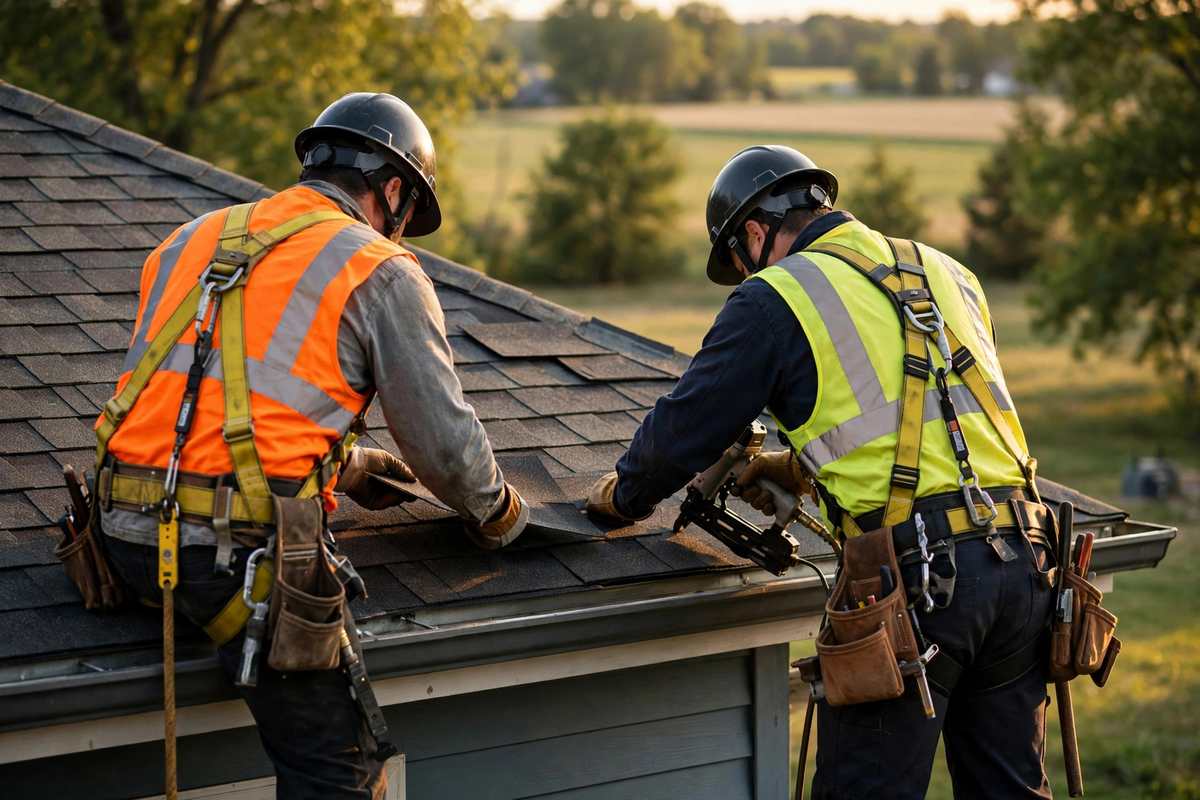

Inspections cover Des Moines homes of every age and pitch. Ask for a report covering the roof, the attic, and the drainage, so nothing is guessed at.
Two-story homes and multi-unit houses have more roof area, more penetrations, and more flashing to check. Ask for every slope inspected and documented.
A roof inspection in Des Moines, IA covers the whole roof system: field shingles, valleys, ridge cap, flashing at chimneys and walls, pipe boots, vents, gutters and downspouts, and the attic side of the deck. Ask for soft spots probed, wet zones moisture-read, and every finding photographed, with a written summary that says what is sound, what needs attention, and what can wait, so you can plan rather than guess.
Timing matters in Des Moines. Hail season runs mainly from mid-April through early September, ice dam season runs December through March, and fall preparation runs September through November. An inspection after a storm documents hail evidence while it is still visible, and a fall inspection catches flashing and ventilation issues before winter. If the inspection finds damage, a roof repair or storm damage repair can be scoped from the same photo record.
An inspection should leave you with photos and a plan, not a sales pitch.
Here is the typical sequence for an inspection, from booking to the written summary.
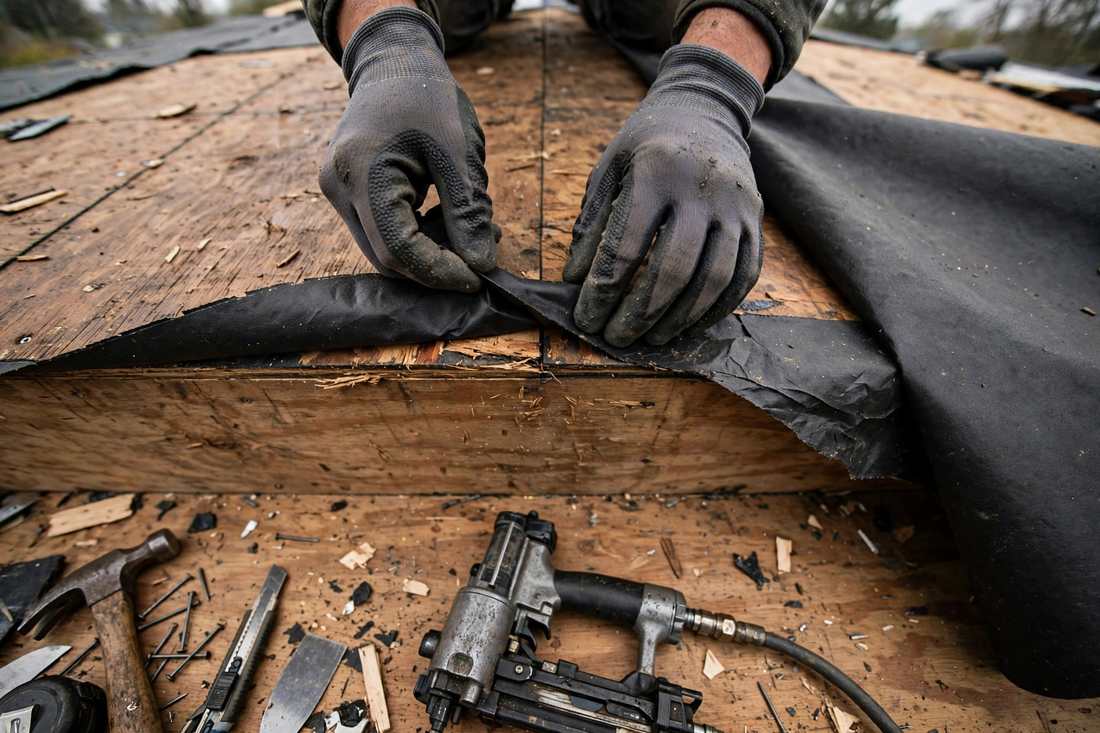
Booking usually covers the roof, its age if known, and what prompted the inspection: a storm, a stain, a sale, or a routine check. Ask to confirm the time and the address when booking.
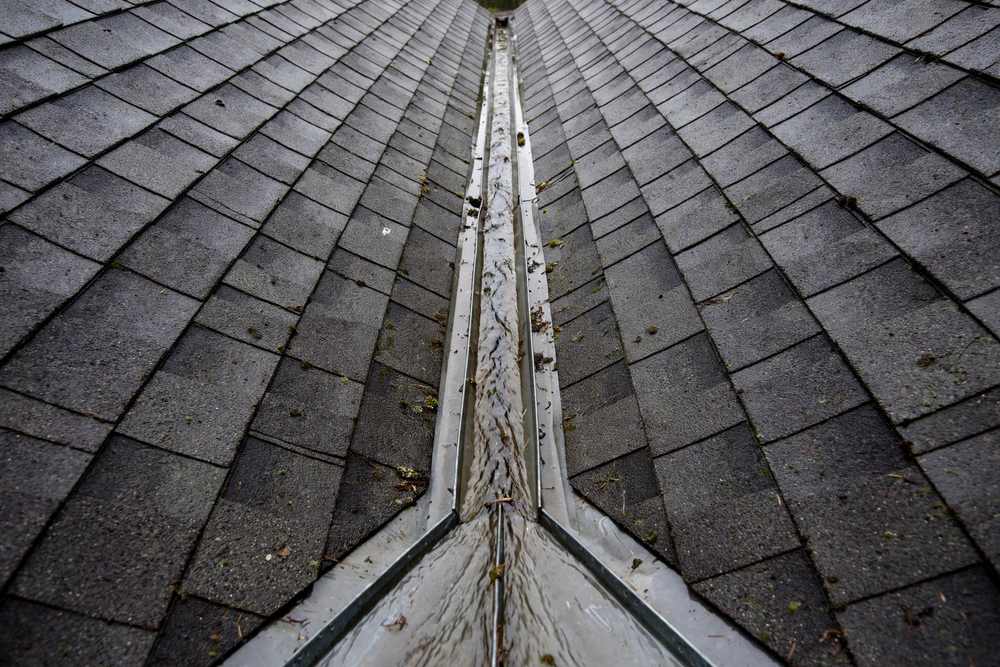
Ask whether every slope is walked, with fall protection on steep pitches, checking shingles, valleys, flashing, pipe boots, vents, and ridge cap. Ask whether soft spots get probed and wet zones get moisture readings.

Ask for the underside of the deck, insulation condition, daylight, stains, and ventilation openings checked. The attic side often shows what the roof surface hides.
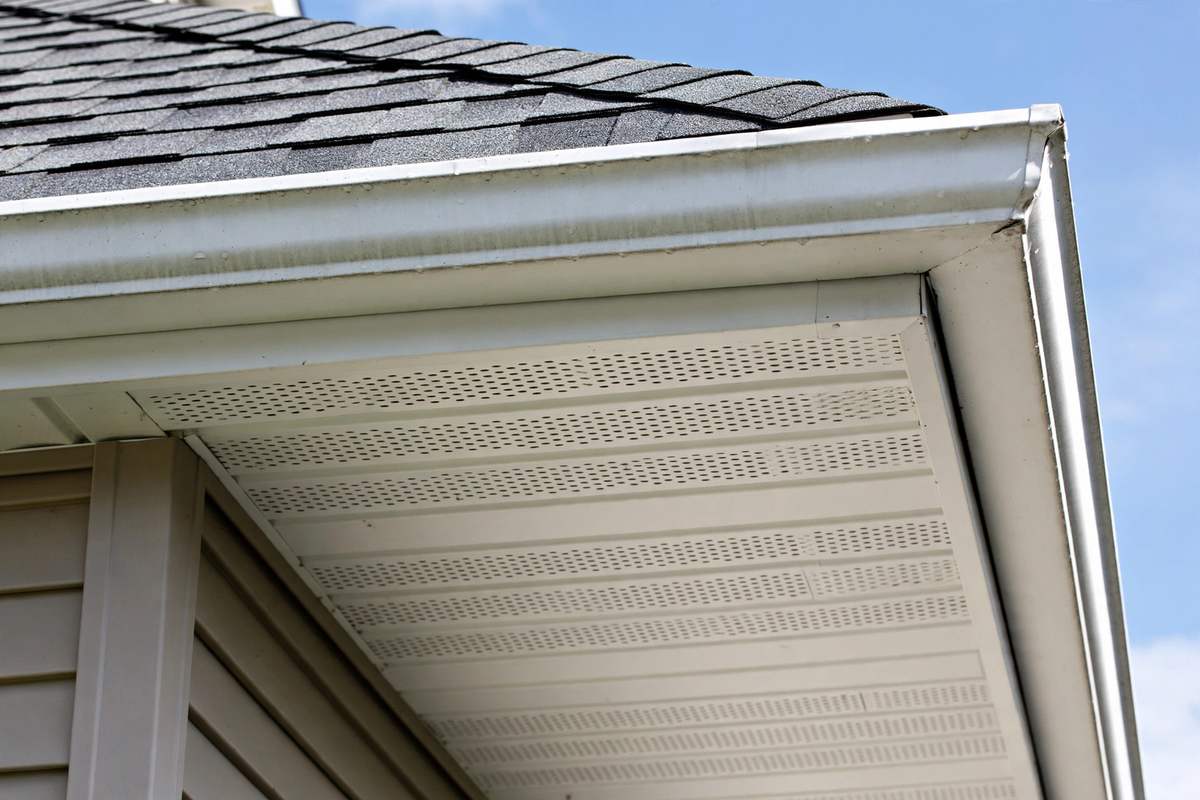
Ask for every finding photographed and noted: what is sound, what needs attention, and what can wait. Ask for gutters and downspouts checked for flow and granule buildup.
Ask for the photos and the written summary walked through, with each finding explained. If work is needed, the summary should say so plainly, with the evidence attached.
Shows temperature differences that reveal wet zones behind drywall and under shingles.
Reads the moisture content of the deck and insulation so wet zones are confirmed, not guessed.
Safe access to steep pitches, so every slope gets walked.
Access that does not damage gutters or landscaping.
Probes soft spots and lifts shingle edges to check the deck beneath without tearing up sound courses.
Marks inspection lines so findings can be located slope by slope in the photo log.
Every slope gets photographed and noted, so the report reflects the whole roof.

Attic stains and damp insulation often pinpoint the problem area before the roof surface is walked.
A pre-purchase or pre-sale inspection documents the roof's condition with photos and a written summary. Buyers learn what the roof needs, and sellers can address small failures before they become negotiation points.
Hail bruising is often invisible from the ground, and lifted shingles may not leak until the next rain. An inspection after a storm documents the evidence while it is still visible on the shingles.
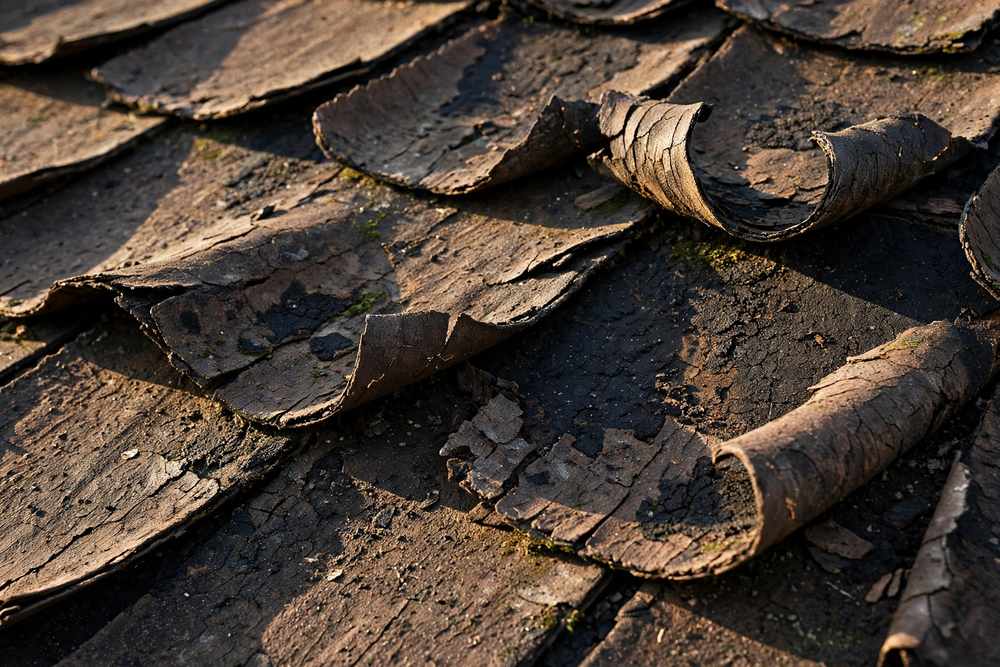
Aging roofs show granule loss, curling, and flashing wear before they leak. An inspection documents the condition and says what can wait and what cannot, so replacement can be planned rather than rushed.
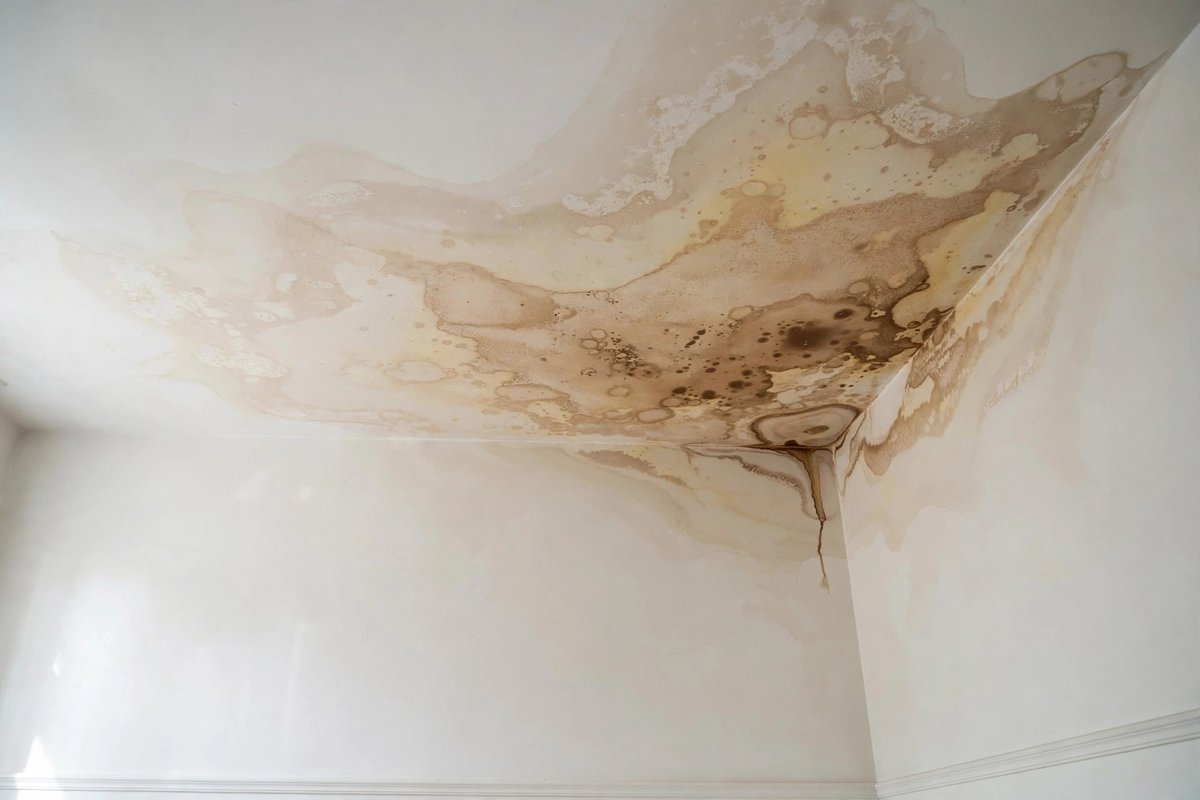
A stain after heavy rain means water got in somewhere uphill. An inspection traces the entry point with moisture readings and attic checks, and the summary says what repair fits.
Des Moines housing spans 1880s Victorians to postwar ranches, and each era hides different problems. Inspection is the same discipline everywhere: every slope, the attic, and the drainage.
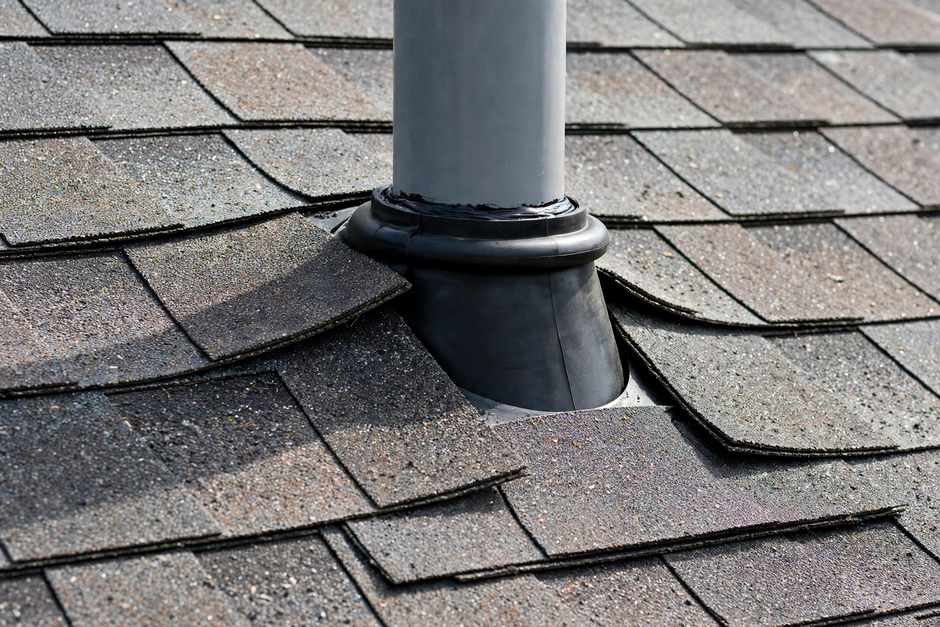
A routine inspection finds a cracked pipe boot on a roof with no interior stains yet. The boot is sun-cracked and the surrounding shingles are sound.
A typical scope documents the boot with photos, notes it in the written summary, and scopes a targeted boot replacement before the next rain finds the crack.
Pipe boots age with sun exposure. A yearly roof check catches cracked boots before they leak.
A hail storm passes and the homeowner is unsure whether the roof was damaged. The shingles look sound from the ground.
A typical scope photographs every slope, notes hail bruising and granule loss where present, and provides a written summary that can be shared with the insurer.
Hail evidence fades as shingles weather, so documenting soon after a storm preserves the record.
A fall inspection finds blocked intake vents and thin ice barrier coverage at the eaves on a home with a history of icicles.
A typical scope notes the ventilation and eave findings in the written summary and scopes attic ventilation and eave flashing work before winter.
Fall is the right season to address ventilation and eave issues, ahead of ice dam season.
Inspections catch problems while they are small. Here are the ones found most often in Des Moines.
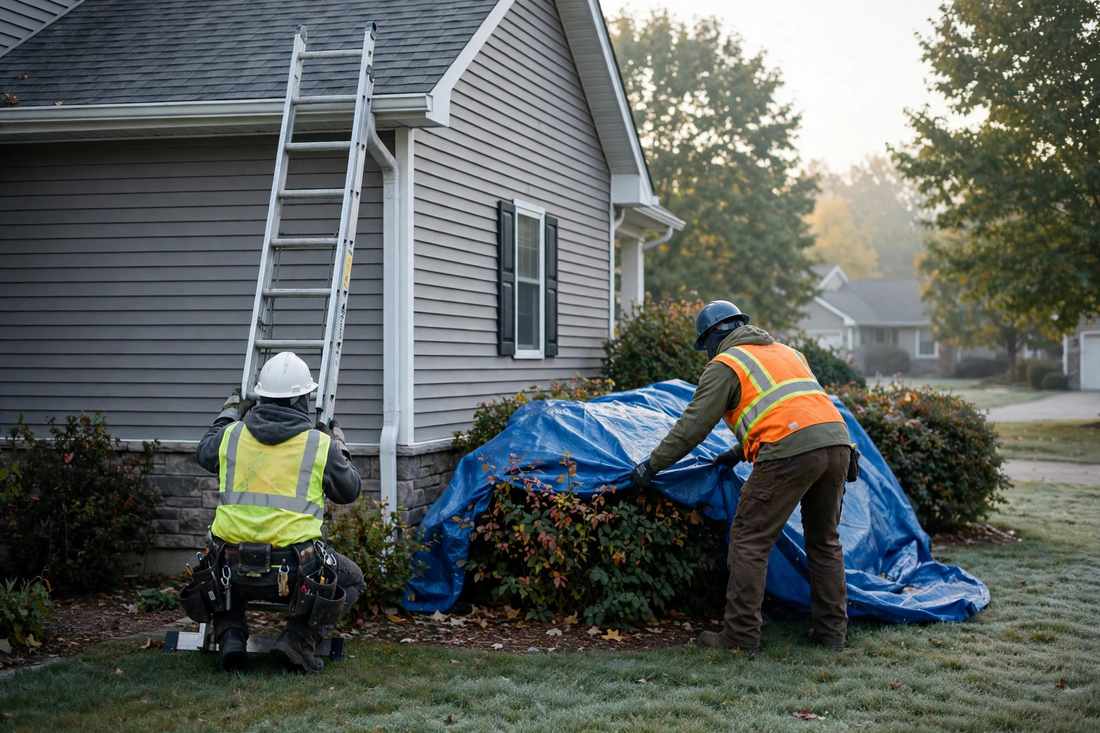
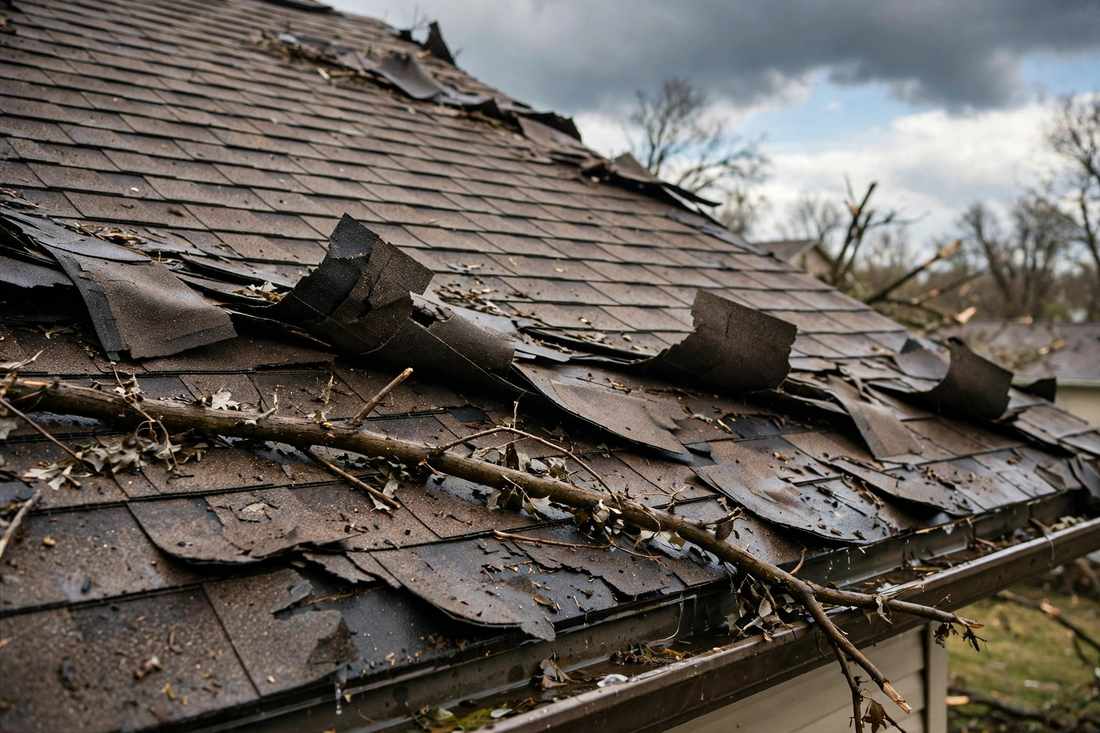
Hail bruising is often invisible from the ground. Bruising and granule loss are photographed slope by slope, so the record shows what the storm did.
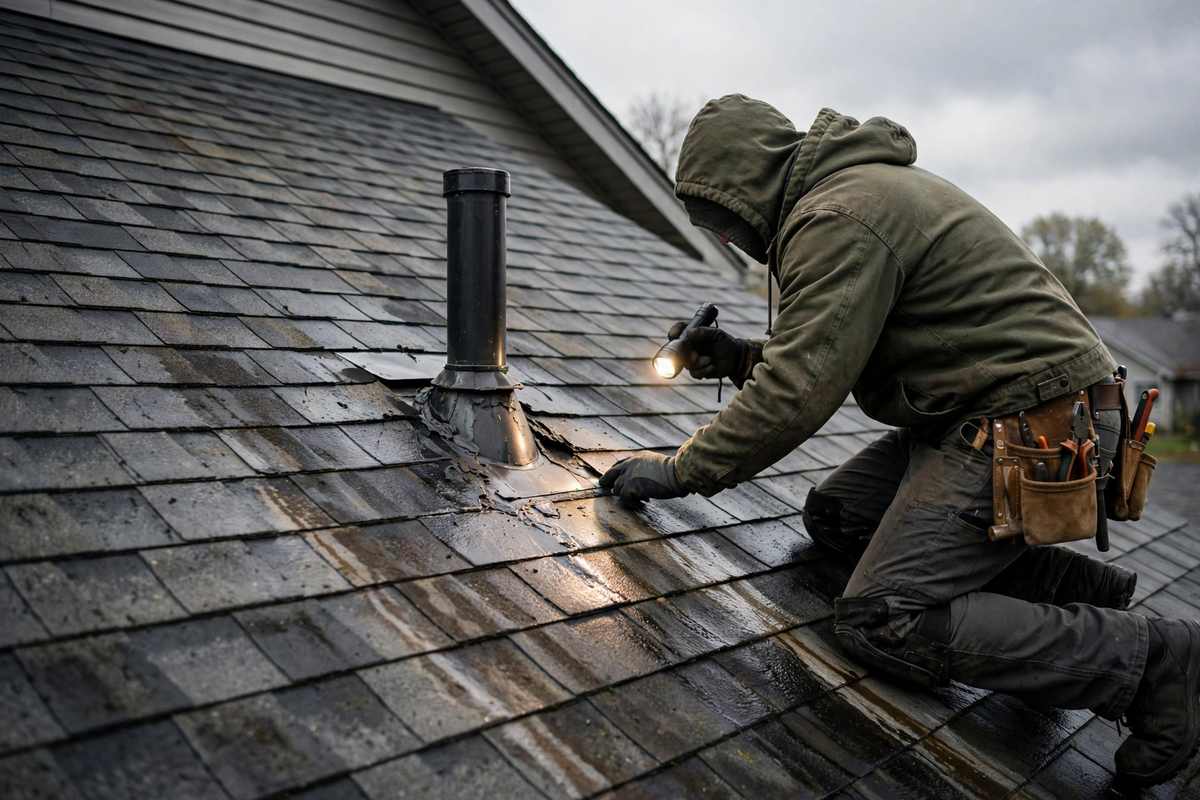
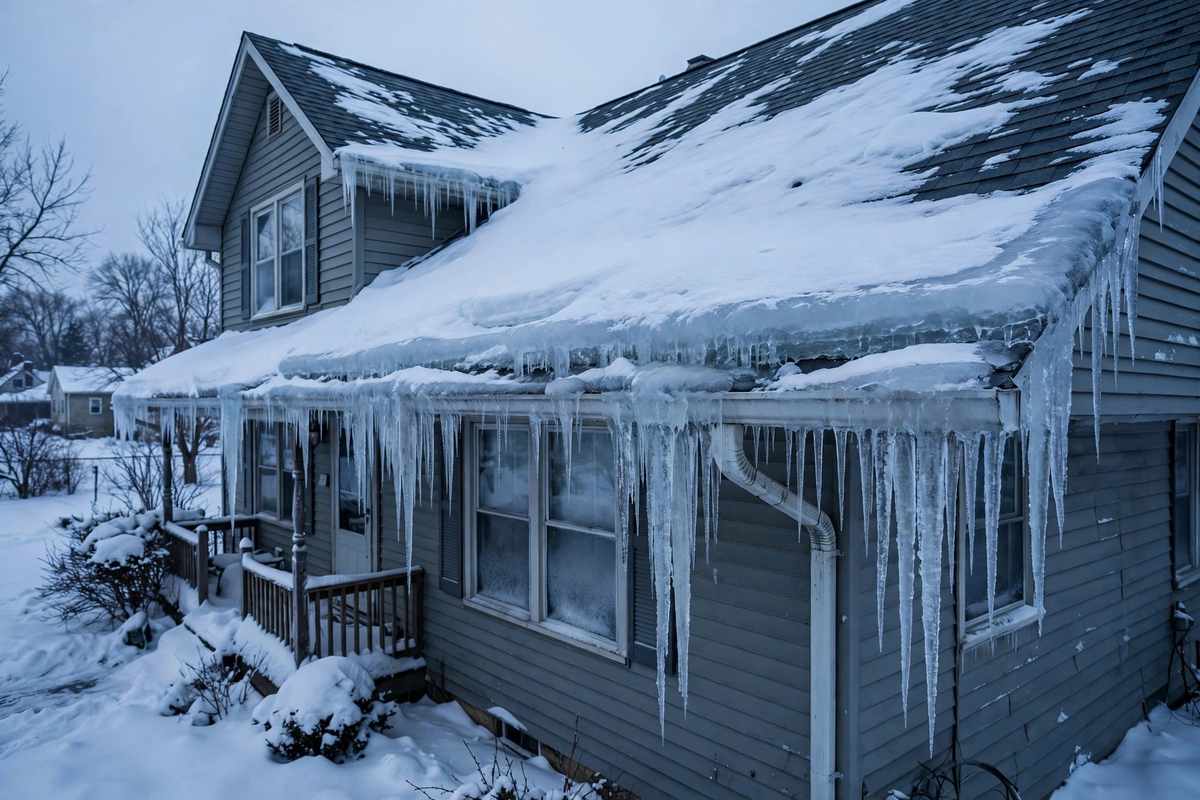
Blocked intake vents and thin ice barrier coverage at the eaves set up ice dams. Ventilation and eave findings are noted in the summary so they can be addressed before winter.
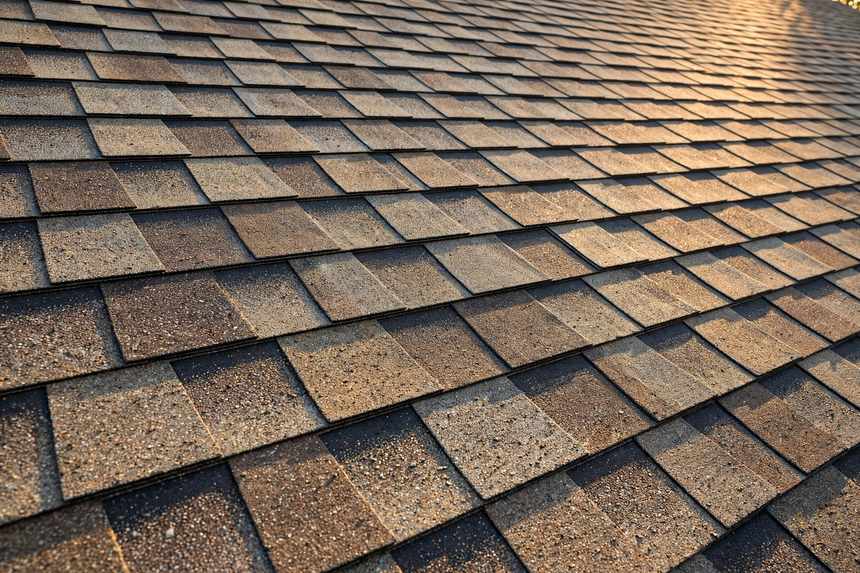
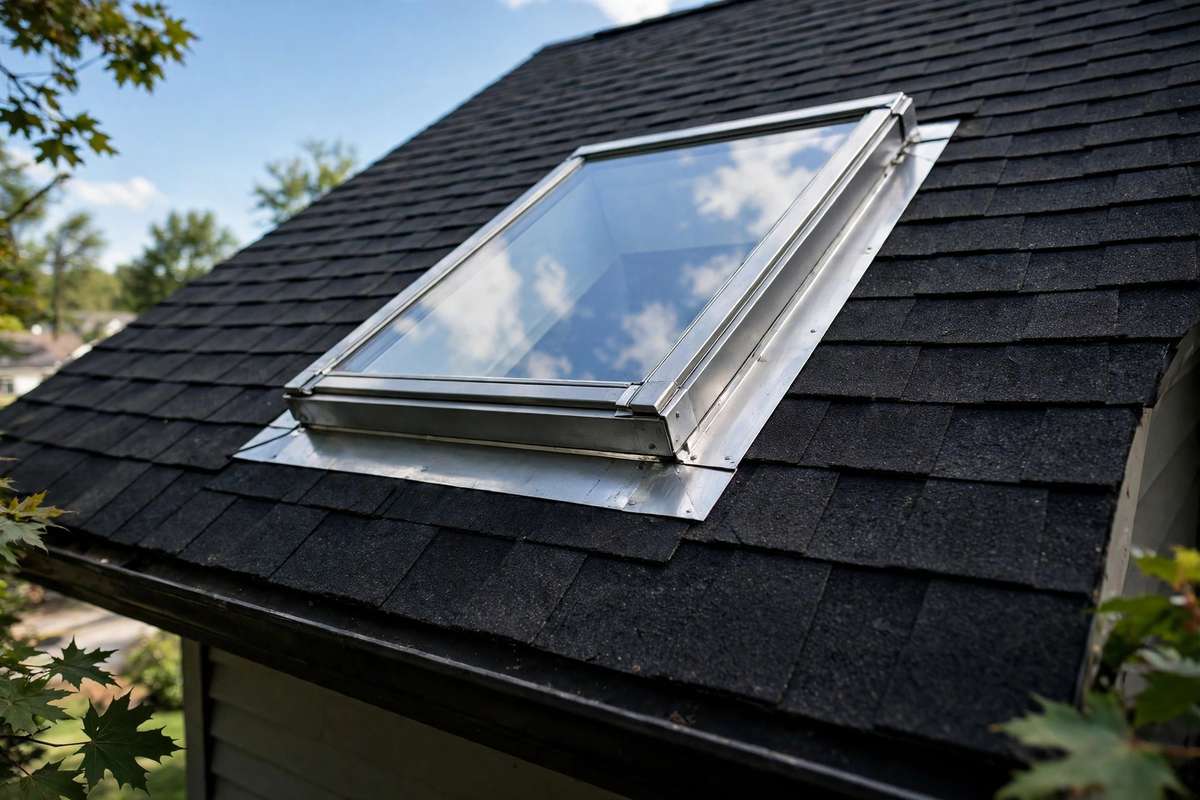
Freeze-thaw cycles work flashing loose at chimneys and skylights. Step and counter flashing are checked closely and photographed.
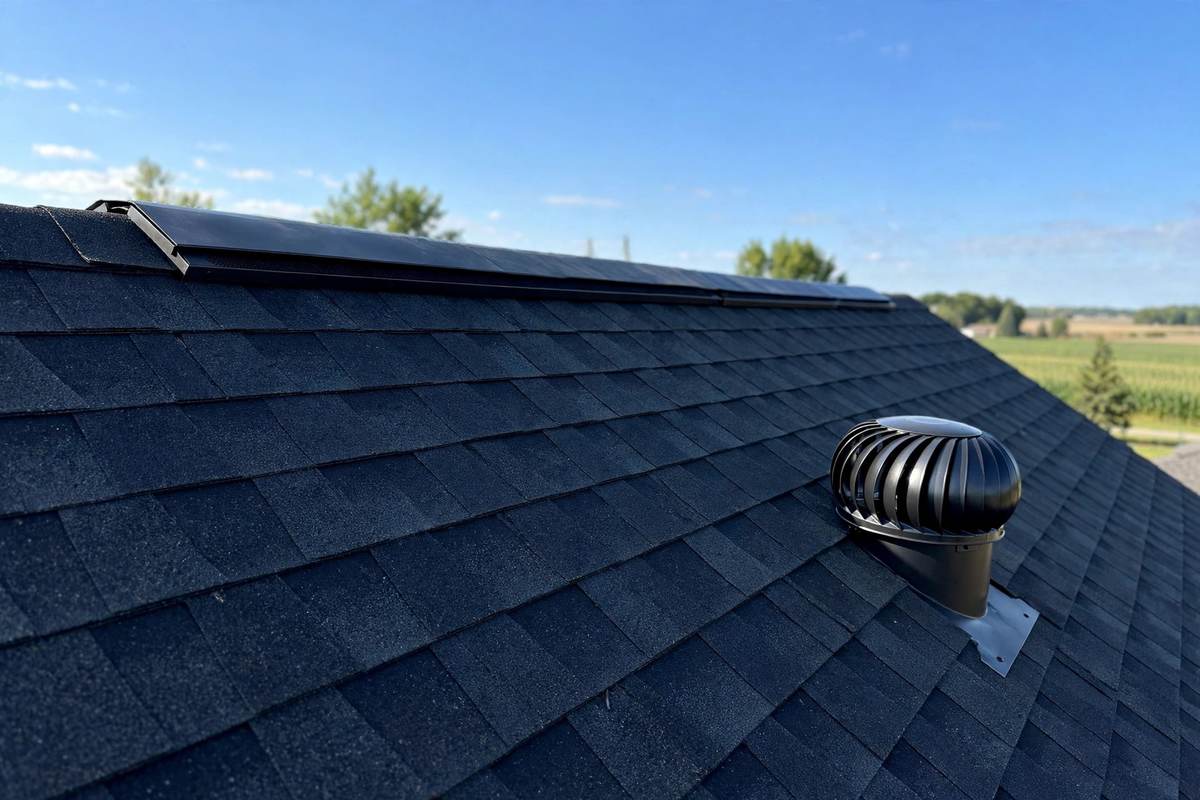
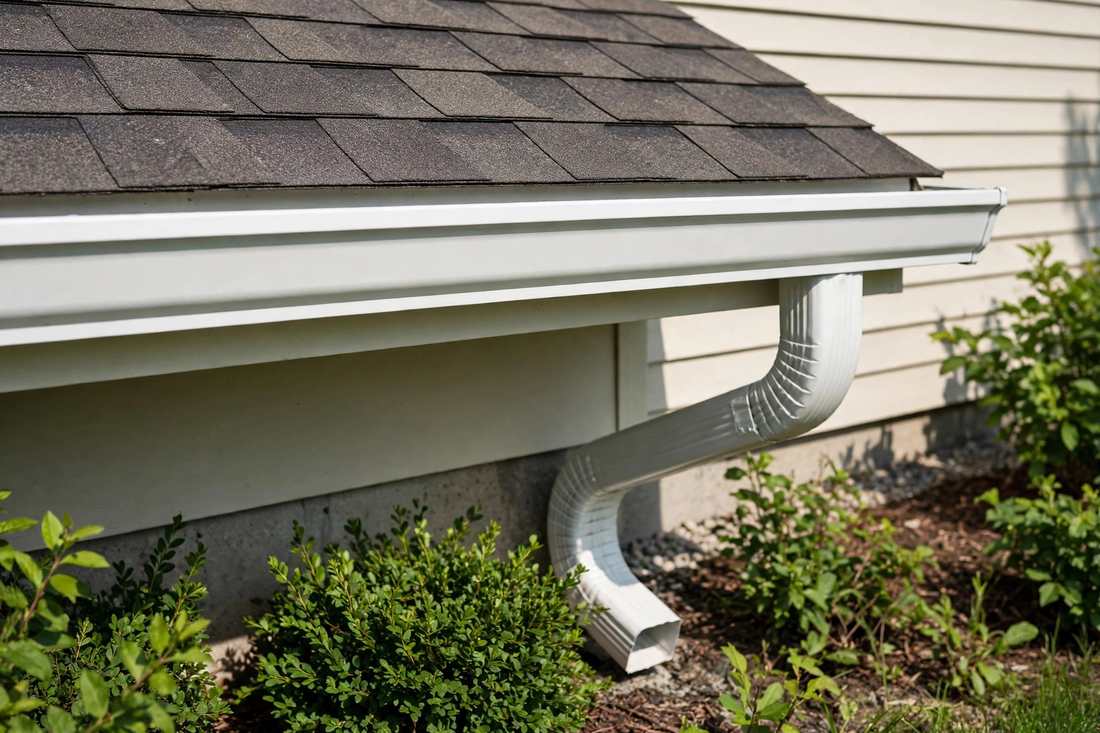
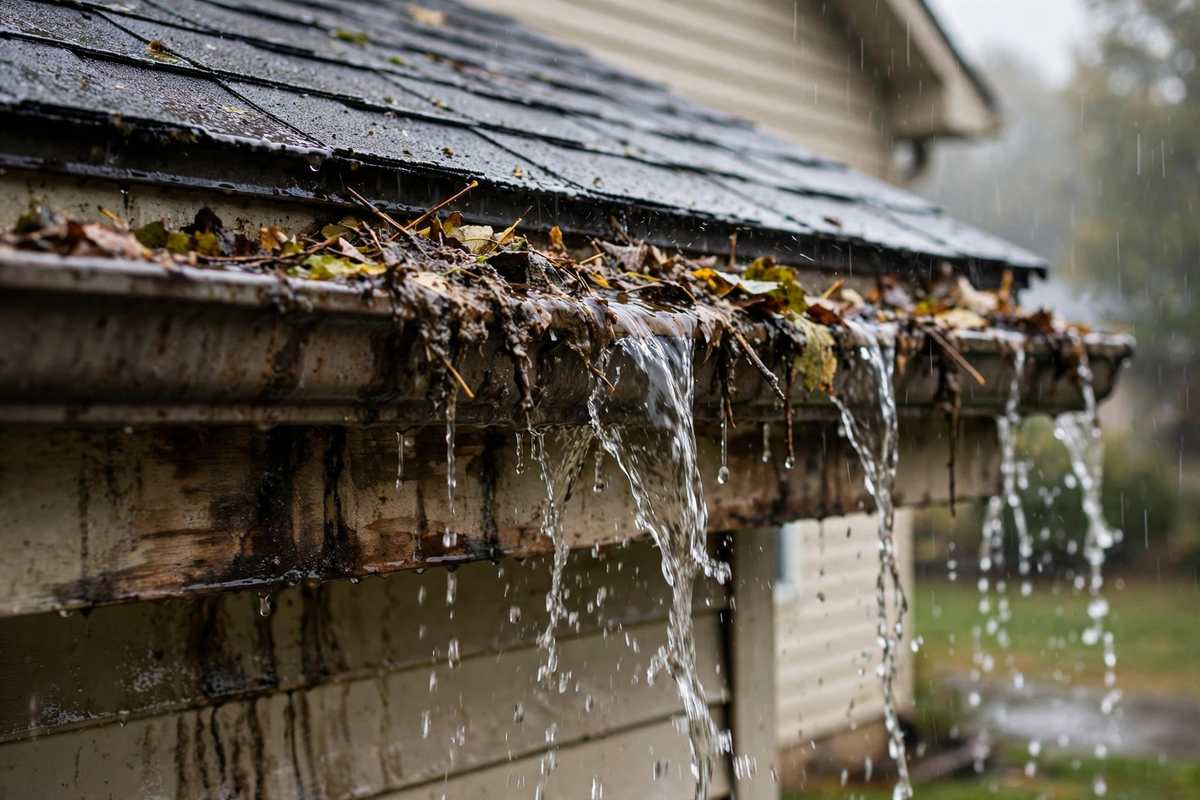
Slow drainage backs water up at the fascia and under the bottom course. Flow, pitch, and attachment are checked, and granule buildup that signals shingle wear is noted.
Small failures, such as a cracked pipe boot or lifted flashing, get found before they reach the ceiling. Early findings keep repairs small.
Photos and a written summary, taken soon after a storm, preserve the hail and wind evidence while it is still visible. The record can be shared with your insurer.
A documented roof condition helps buyers and sellers agree on what the roof needs. Small failures get addressed before they become negotiation points.
Knowing what can wait and what cannot lets you plan maintenance instead of reacting to leaks. Ventilation and flashing fixes found early add years to a roof's service.
Records worth asking for, to keep and share.
Ask for every finding photographed and located
Ask for what is sound, what needs attention, and what can wait
Ask for work scoped from the same photo record
A roof inspection that skips the attic or the photos is only half an inspection. Here is what makes the difference.
Stains, damp insulation, and daylight on the attic side often show what the roof surface hides. The attic is part of a full inspection.
Photos locate each finding slope by slope, so the summary is evidence rather than opinion. Ask to keep the photo log.
After a storm, hail evidence fades as shingles weather. In fall, flashing and ventilation issues should be caught before ice dam season. Timing the inspection to the season matters.
Questions about an address in Des Moines? Call (515) 385-2566 and ask.
The price depends on the size and complexity of the roof and whether attic and interior checks are included. Call (515) 385-2566, describe the roof and what prompted the inspection, and ask for the scope explained before booking the visit.
A roof check each year is a sensible rhythm for Des Moines homes, plus an inspection after any hail or high-wind storm. Fall checks ahead of winter catch flashing and ventilation issues before ice dam season, which runs December through March.
Field shingles, valleys, flashing at chimneys and walls, pipe boots, vents, ridge cap, gutters and downspouts, the attic side of the deck, and ventilation. Soft spots should be probed, wet zones moisture-read, and findings photographed.
A pre-sale inspection documents the roof's condition with photos and a written summary, which helps buyers and sellers agree on what the roof needs. It also catches small failures, such as a cracked pipe boot, before they become negotiation points.
Call ZT Contracting LLC at (515) 385-2566 to book an inspection, and ask for photos and a written summary that says what is sound, what needs attention, and what can wait.
Call (515) 385-2566, Monday through Saturday, 8 AM to 6 PM, to arrange a time to look at your roof. We are closed on Sundays.