Written estimate
Ask for work, materials, and price agreed before work
Residential roofing in Des Moines, IA is the whole roof system for homes: inspection, repair, replacement, gutters, and ventilation. ZT Contracting LLC works on Des Moines homes of every era, from 1880s Victorians to postwar ranches, Ask for every roof inspected and scoped on its own, the work scoped in writing and documented with photos.
Residential roofing covers the whole system, not one service. Here is what the work includes across the services offered for Des Moines homes.
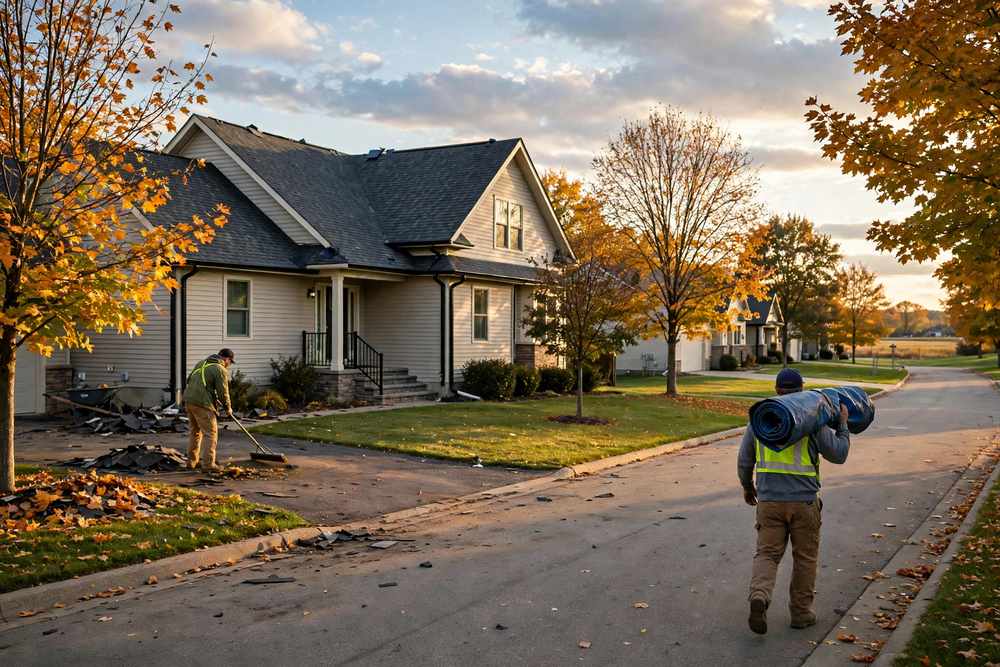
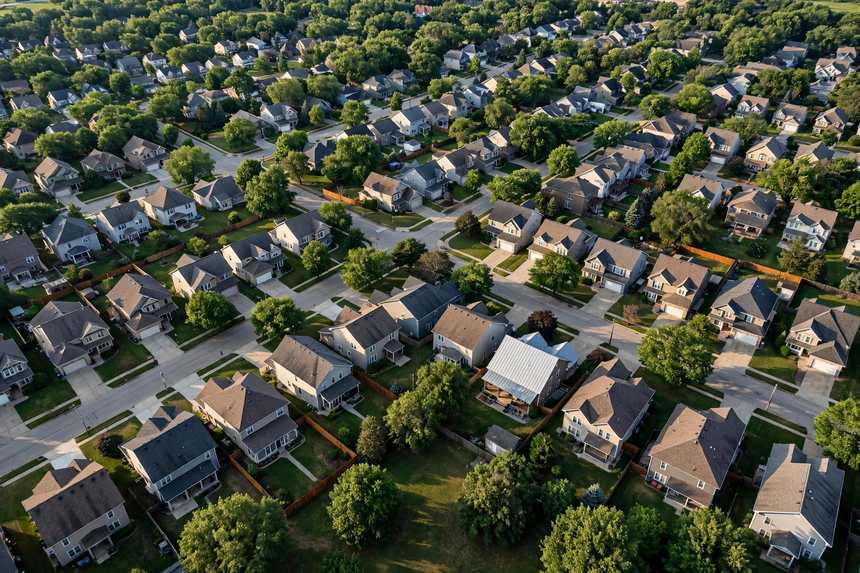
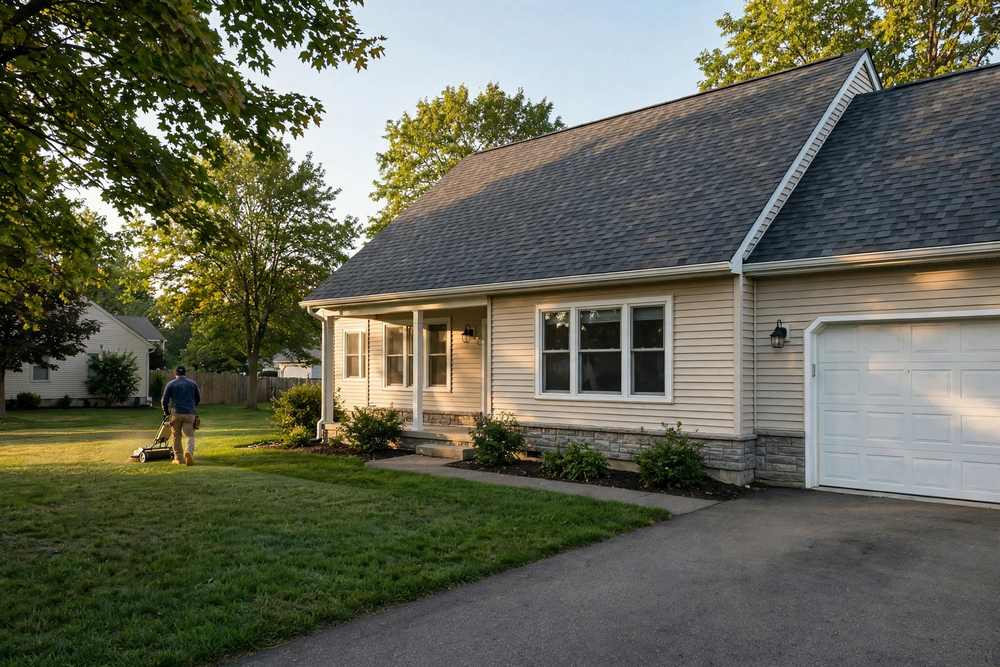
Work covers Des Moines homes of every age and style. The scope follows the house: its era, its pitch, its flashing, and its attic.
Bigger homes have more roof area, more flashing, and longer drainage runs. Each elevation and each attic space is scoped on its own.
Residential roofing in Des Moines covers the whole roof system for homes: roof inspection to document condition, roof repair and leak detection for isolated damage, storm damage repair after hail and wind, roof replacement when the roof is at the end of its life, and gutter installation and attic ventilation as part of the same system. Shingle roofing, metal roofing, and flat roofing cover the materials and pitches Des Moines homes need.
Des Moines enforces the 2024 International Residential Code and International Building Code, effective January 1, 2026, and an ice barrier is required. The City's verified design criteria include a 33 psf snow load, 115 mph wind speed, a 42-inch frost line, and a 0°F winter design temperature. Through December 31, 2026, the City handout rule is no permit for a straight reroof, with a permit required when sheathing or rafters are repaired or replaced. From January 1, 2027, a re-roofing permit is required under Council Communication 26-244. Homes in Sherman Hill face an additional step: full re-roofing there requires a Certificate of Appropriateness; check the requirements for the specific property.
A home's roof is one system. Inspect it as one, scope it as one, and build it as one.
Here is the typical sequence for residential roofing jobs, from the first inspection to the final walkthrough.
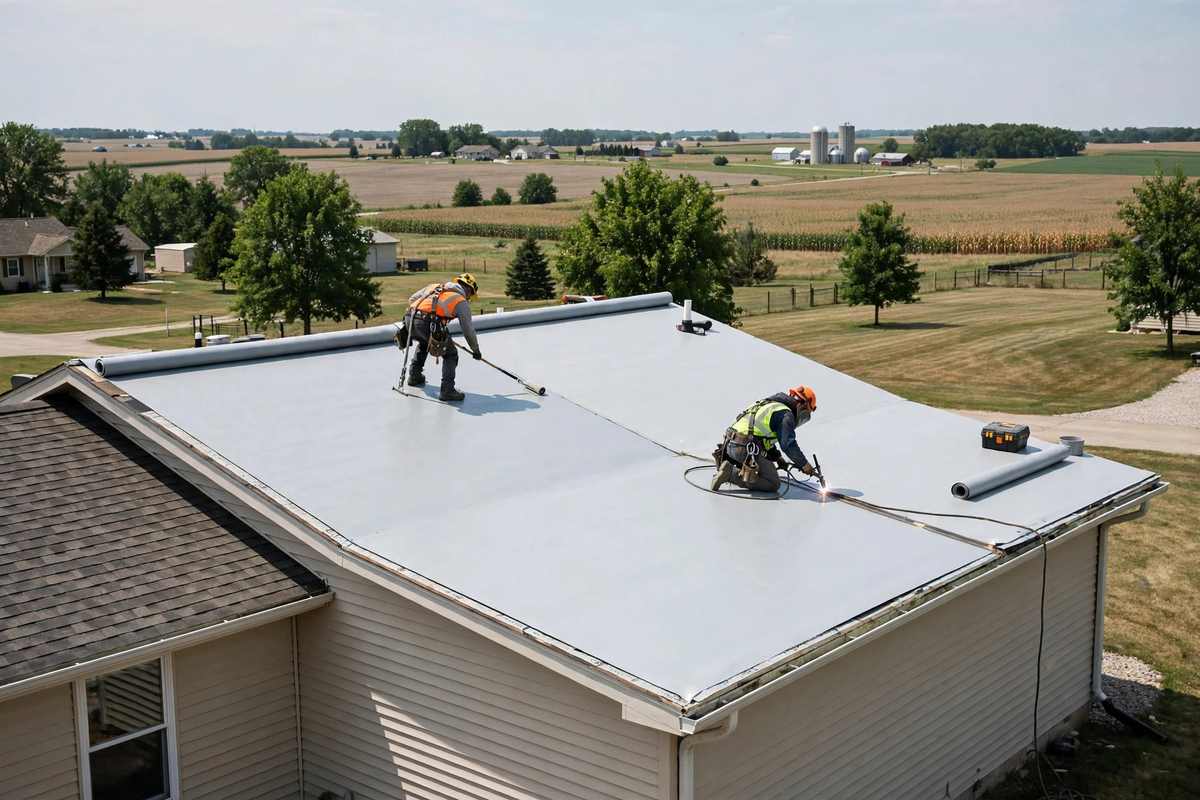
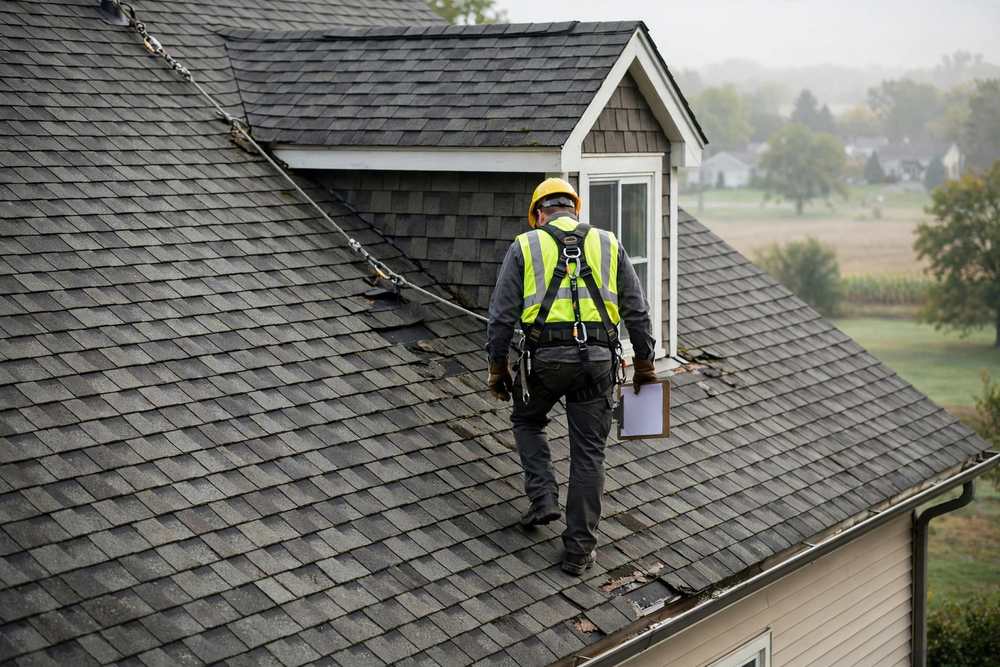
The roof is walked, the attic is checked, and shingle condition, flashing, valleys, and deck soft spots are photographed. The assessment says what is sound, what needs attention, and what can wait.
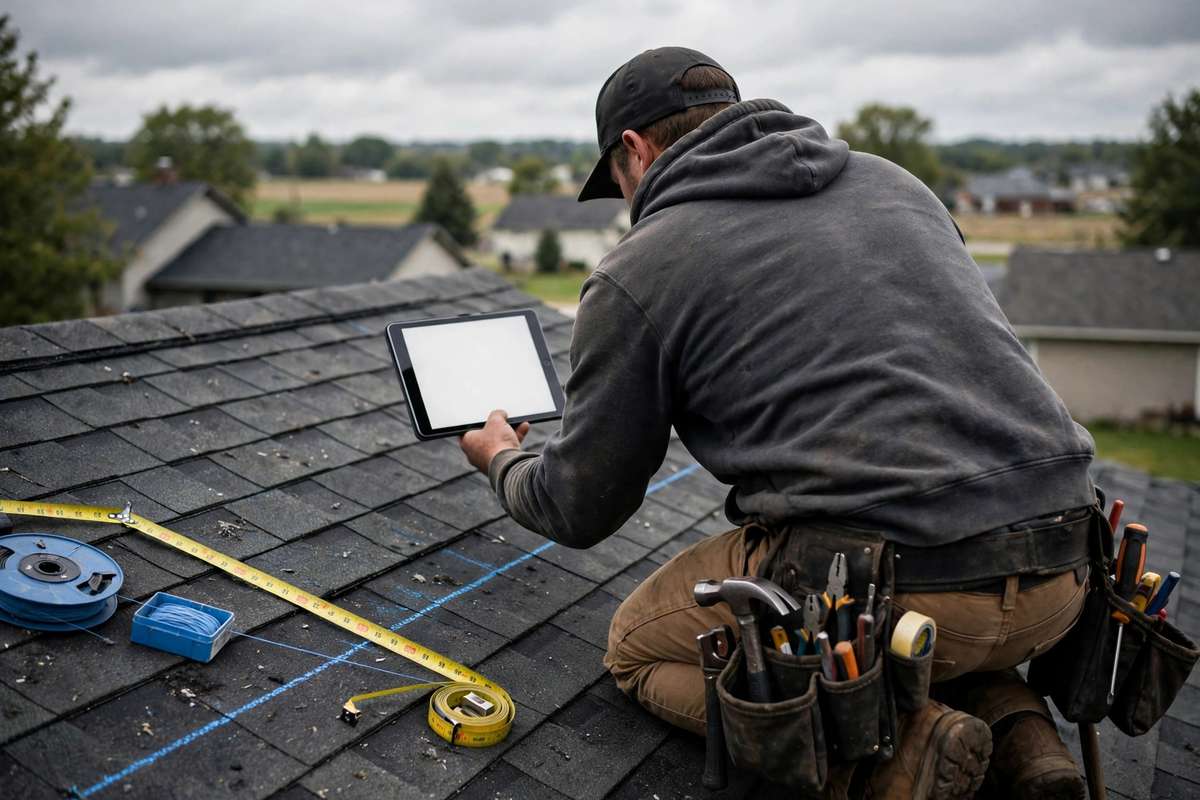
The scope, the materials, and the price are agreed in writing before work starts. Shingle profile and color, underlayment, flashing, and ventilation are all named.
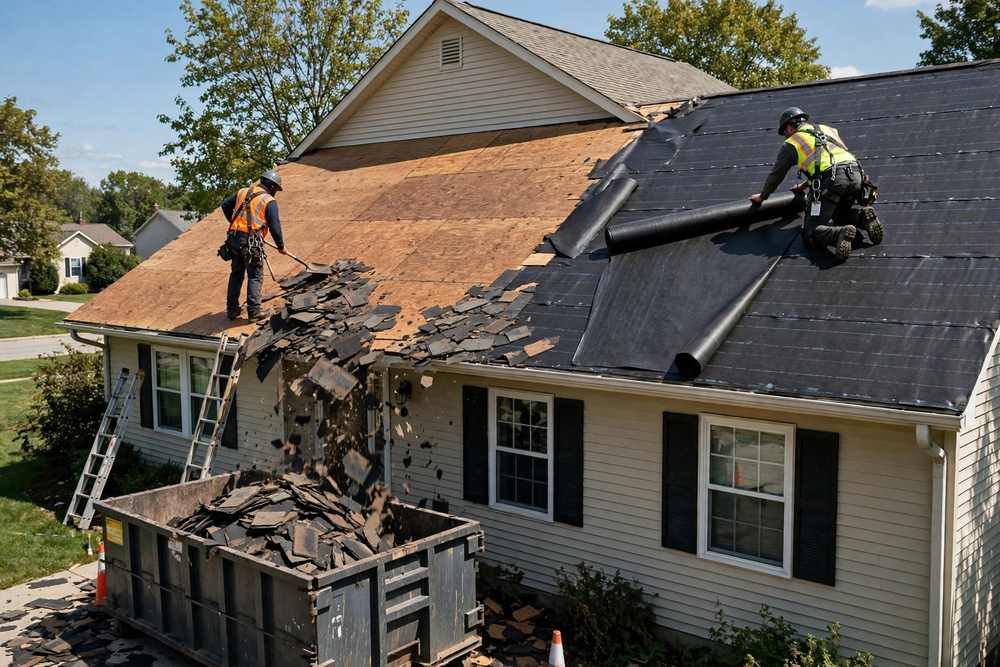
On replacement jobs the old roof is stripped to the deck, the sheathing is inspected, and damaged boards are replaced. Ask for the exposed deck photographed before cover.

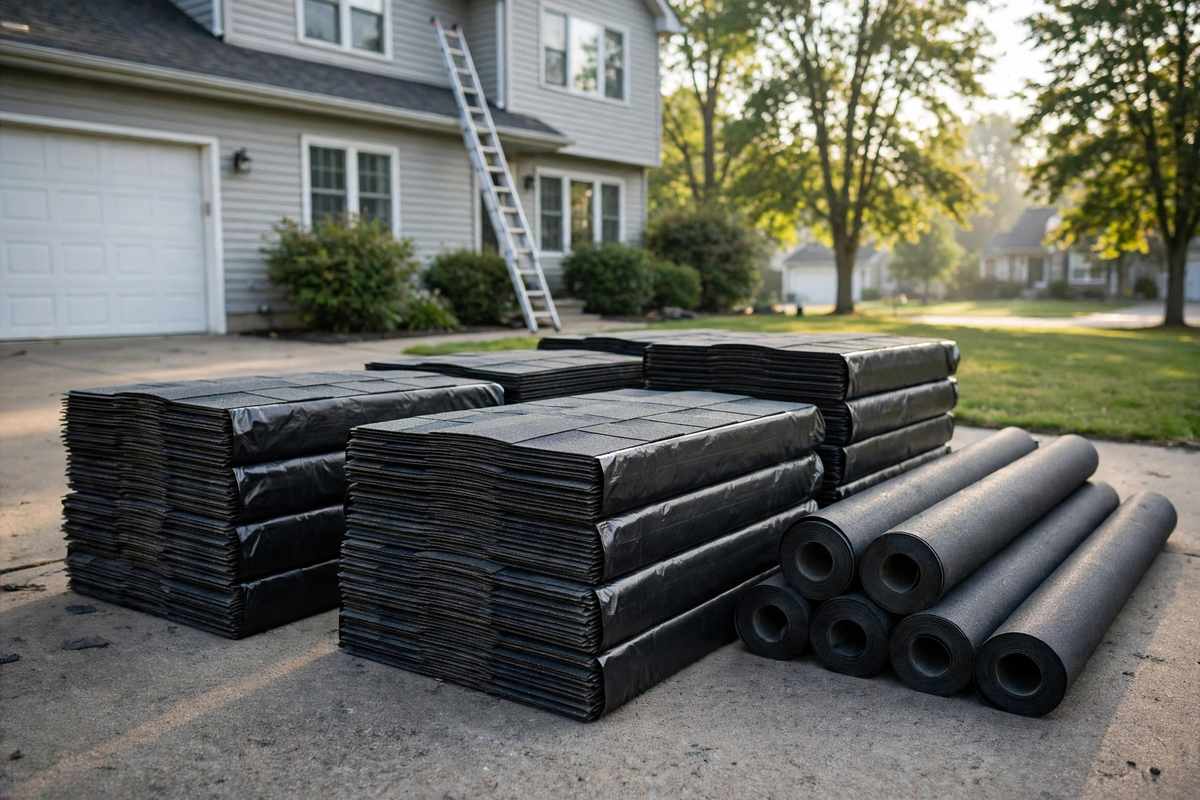
Ice barrier, underlayment, flashing, and shingles or panels go in to the system specification, with ventilation balanced to the attic as part of the assembly.
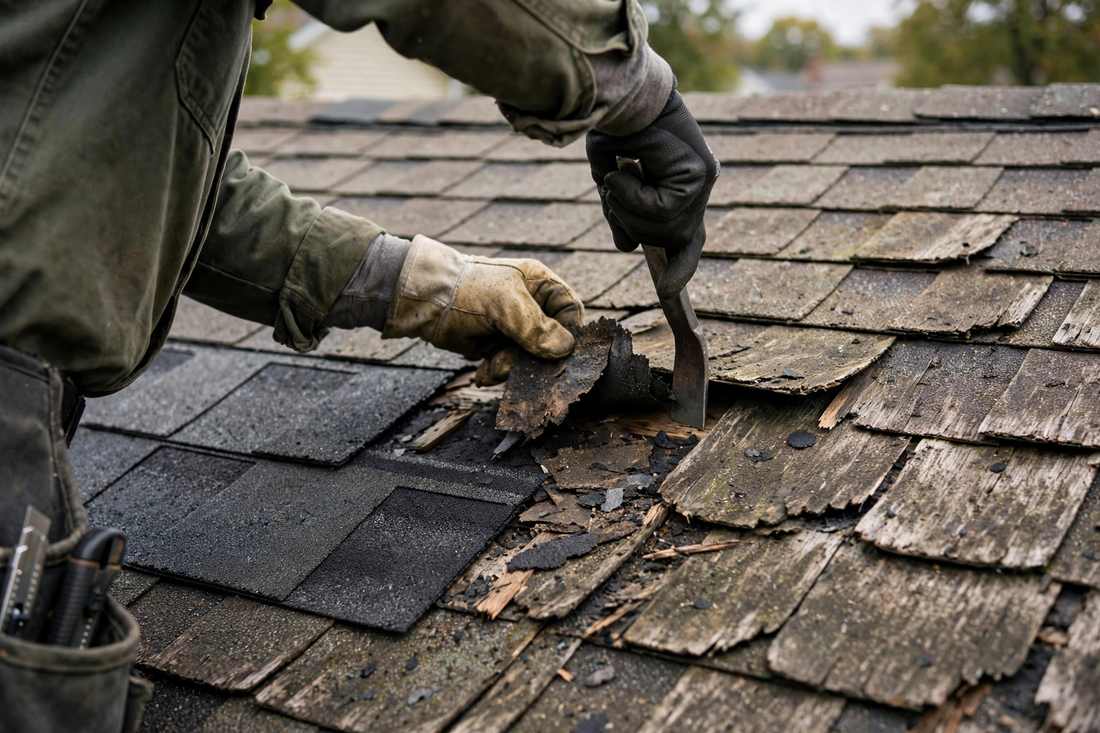
Ask for the yard magnet-swept, debris hauled away, and the finished roof walked through. Ask for photos of the completed work and a summary of what was done.
Drives nails to the correct depth and placement so shingles seal properly and meet the system nailing requirements.
Finds hidden leaks and wet decking before tear-off, so the scope reflects the real condition of the roof.
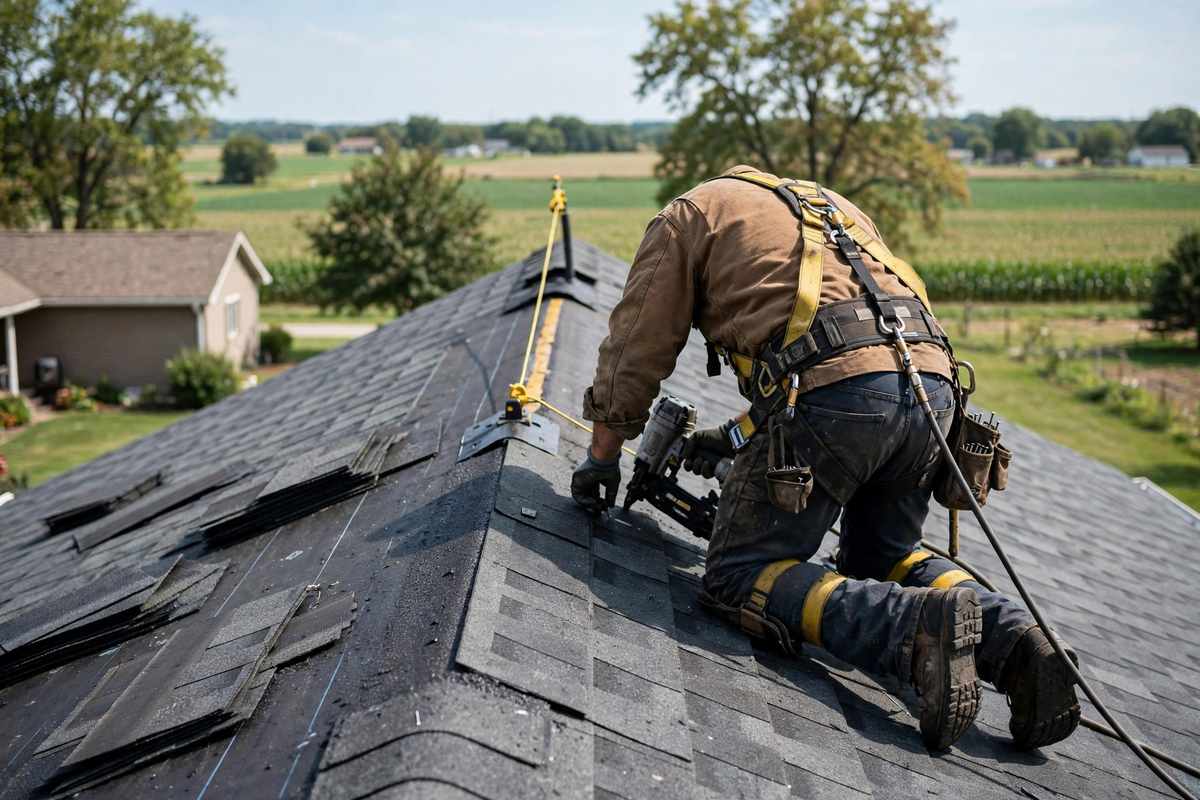
Safe access on steep pitches and two-story homes, so every slope gets inspected.
Cuts clean edges at valleys and hips and trims flashing to fit chimneys, walls, and skylights.
Keeps courses straight and opens damaged sections cleanly for deck and flashing work.
Shingles, starter strip, underlayment, flashing, and ridge cap installed as one specified system.
Every slope photographed and noted after storms, so the scope reflects the whole roof.
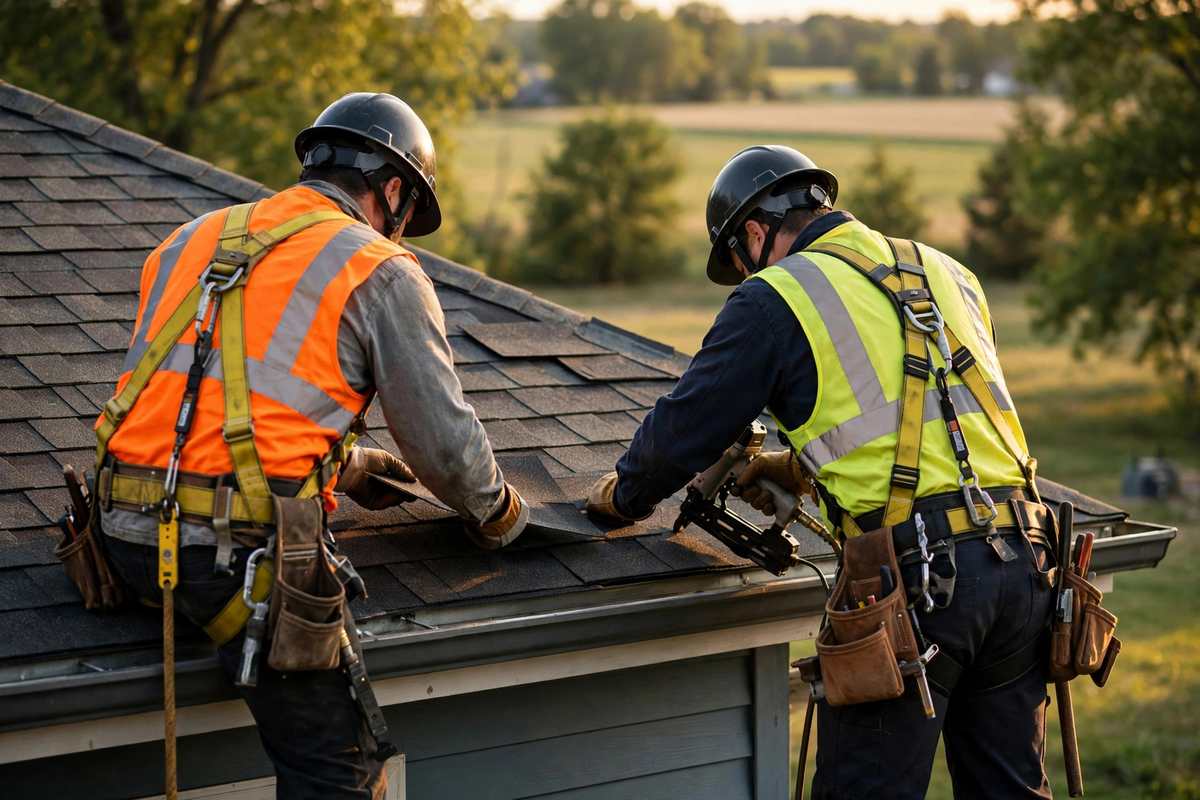
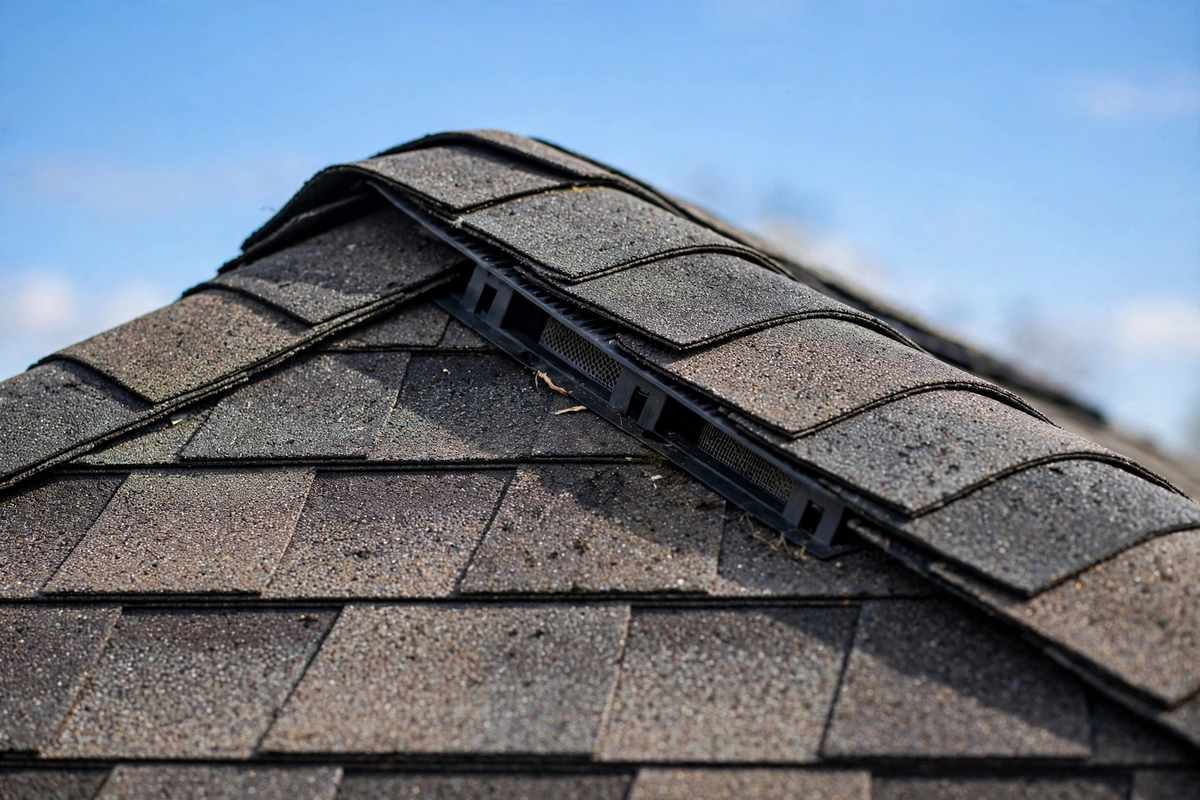
Intake and exhaust matched to the attic, keeping the deck cooler and drier through every season.
After a hailstorm, shingles may be bruised without looking damaged from the ground. An inspection goes slope by slope, documents with photos, and scopes repair or replacement based on how widespread the damage is.
Granule loss, curling, and repeated repairs mean the shingle mat is wearing out. An inspection of the deck and attic confirms the condition and sets out whether repair or replacement fits.
A flagged roof needs a roofer's documentation, not a guess. Ask for an inspection, photographs, and a written summary of the roof's condition and what it needs, which helps both sides agree.
A stain that returns after patching means the entry point was never found. The leak is traced with a moisture meter and attic checks, then the failed flashing, boot, or shingles are repaired.
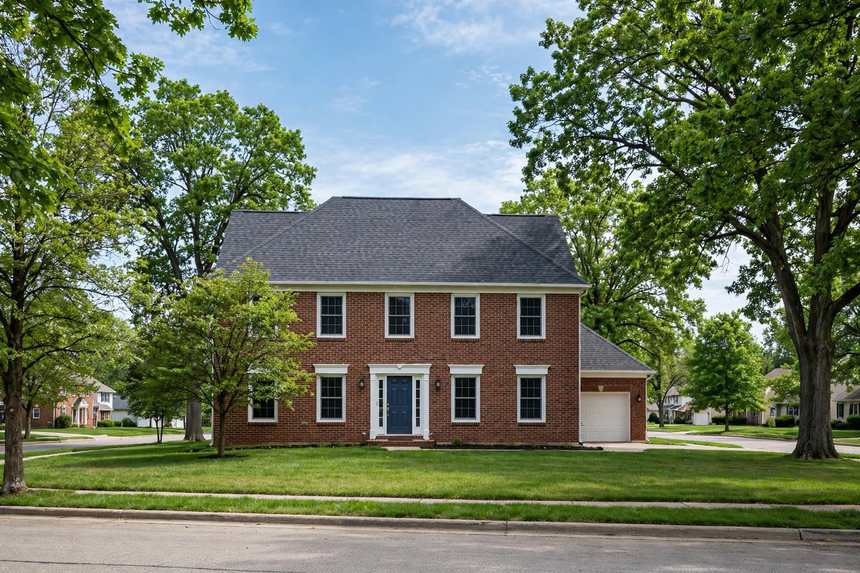
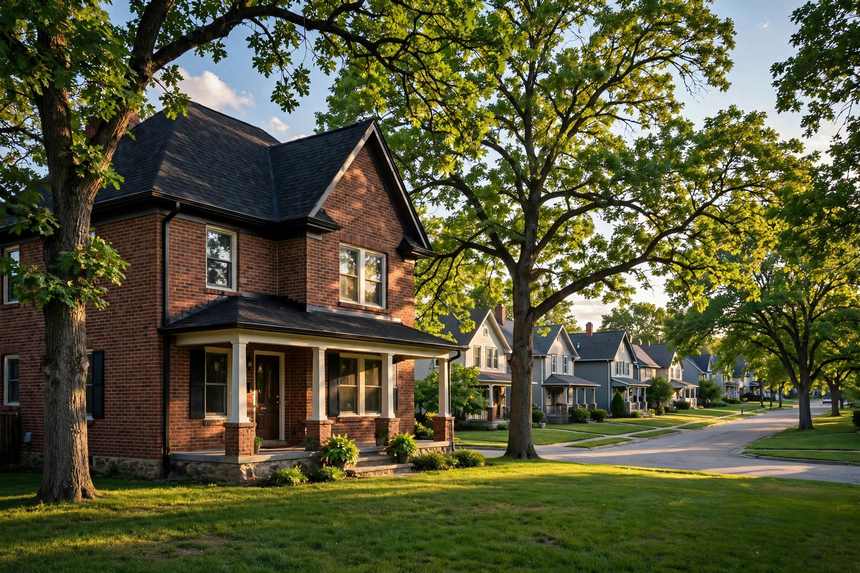
Des Moines housing spans 1880s Victorians to postwar ranches, and residential roofing follows the house. Each roof is inspected and scoped on its own.
A hail storm bruises shingles across two slopes. Granules collect in the gutters, and the homeowner is unsure whether repair or replacement fits.
A typical scope photographs every slope, notes bruising and granule loss, and replaces the affected courses with matching shingles where the damage is isolated. The written scope can be shared with the insurer.
A roof check after hail season catches bruising while the evidence is still visible on the shingles.
A chimney leaks every time it rains hard, and two previous patches have failed. The flashing is original to an older roof.
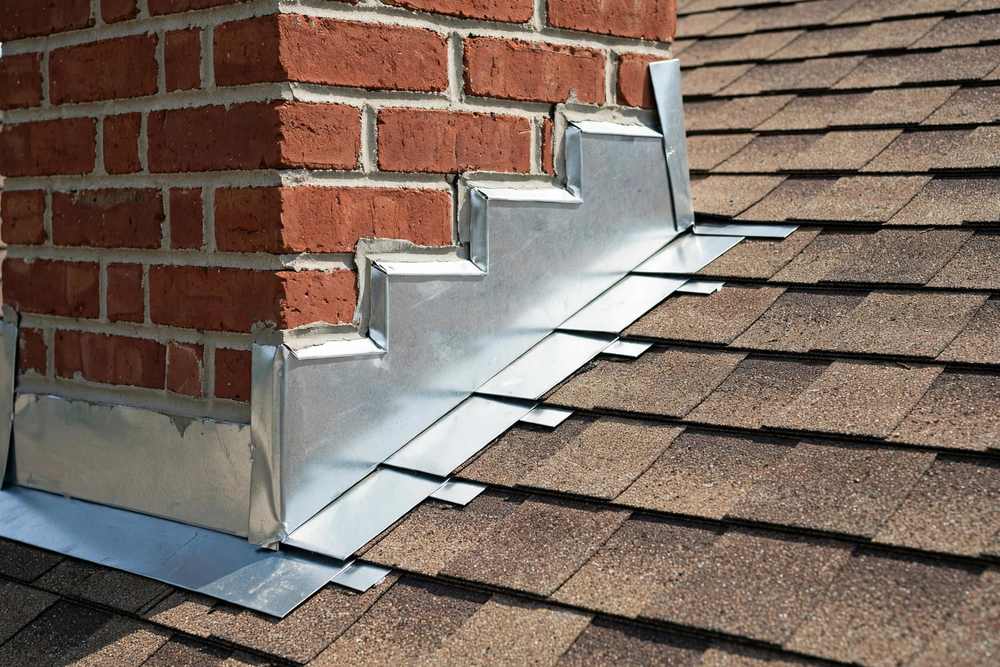
A typical scope strips the failed patch, rebuilds the chimney flashing with step and counter flashing, and replaces the shingles around it. The deck is checked while it is open.
Chimney flashing is worth a look each spring, since freeze-thaw cycles work it loose over time.
An aging roof has curling shingles, granule loss across whole slopes, and soft decking near a valley. Repairs have recurred for several seasons.
A typical scope tears off to the deck, replaces damaged sheathing, and installs a complete roof system with new flashing and ventilation.
Keeping gutters clear of debris and arranging a roof check after hail season help a new roof hold up.
Most residential roofing calls come down to a handful of problems. Here is what shows up most.
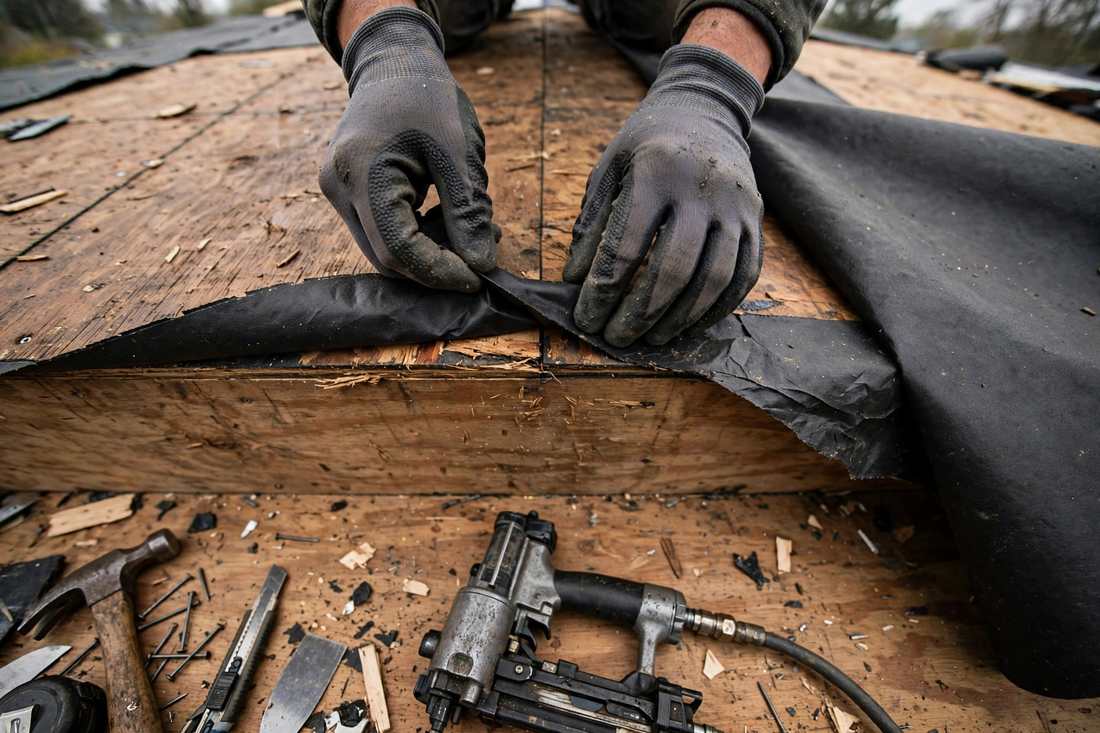
Damaged courses are replaced, lifted shingles are resealed, and profile and color are matched. Where damage is widespread, replacement is scoped instead of repeated patching.
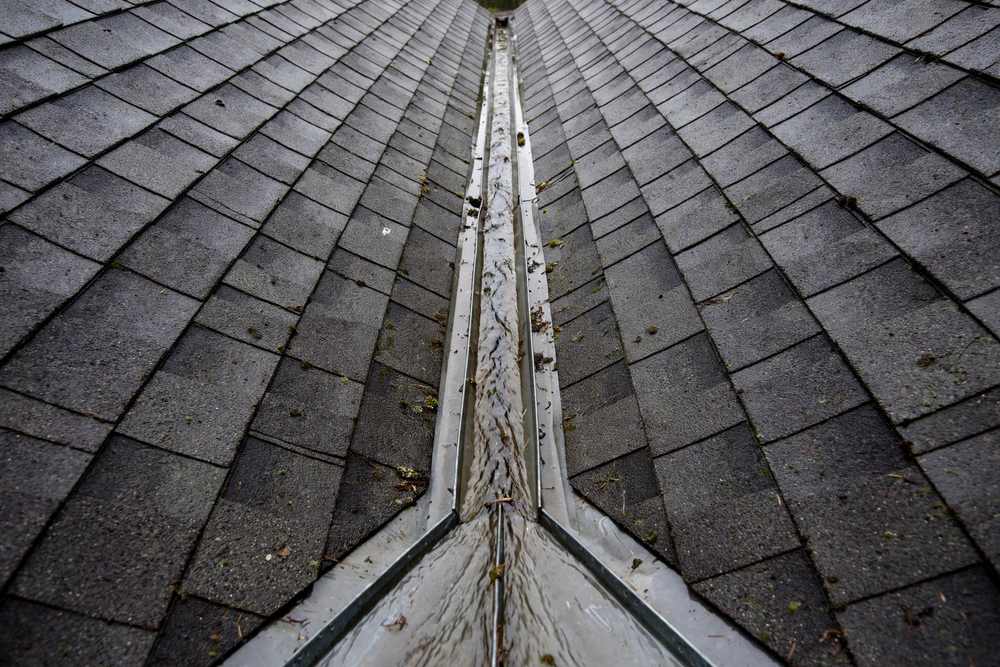
Ventilation in the attic and ice barrier at the eaves are the first things checked, then the underlying cause is fixed so the dam cycle stops. Ice dams force meltwater under the shingles and into the attic.
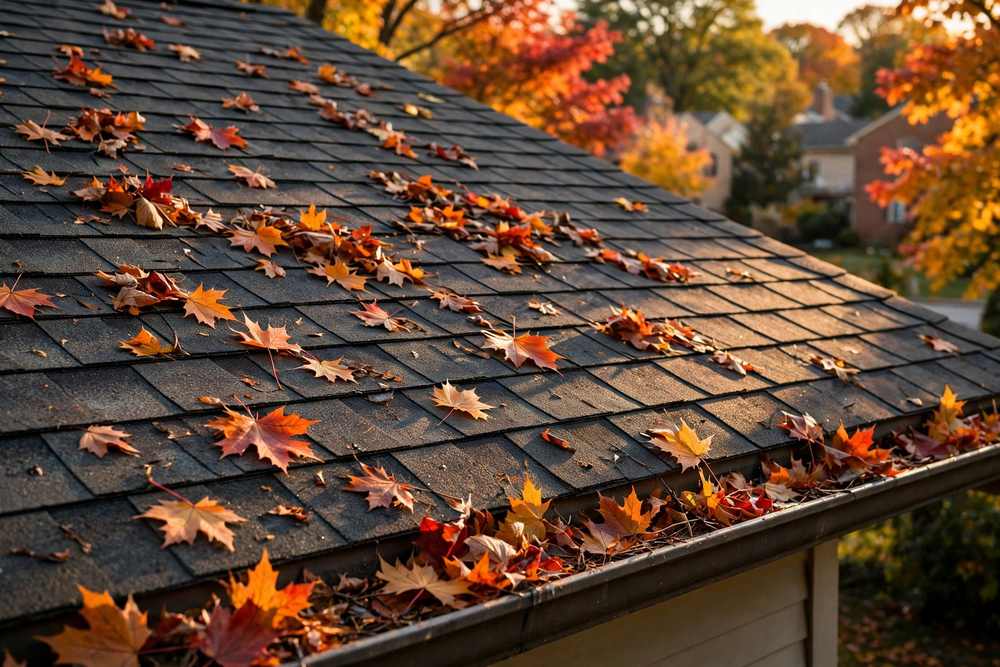
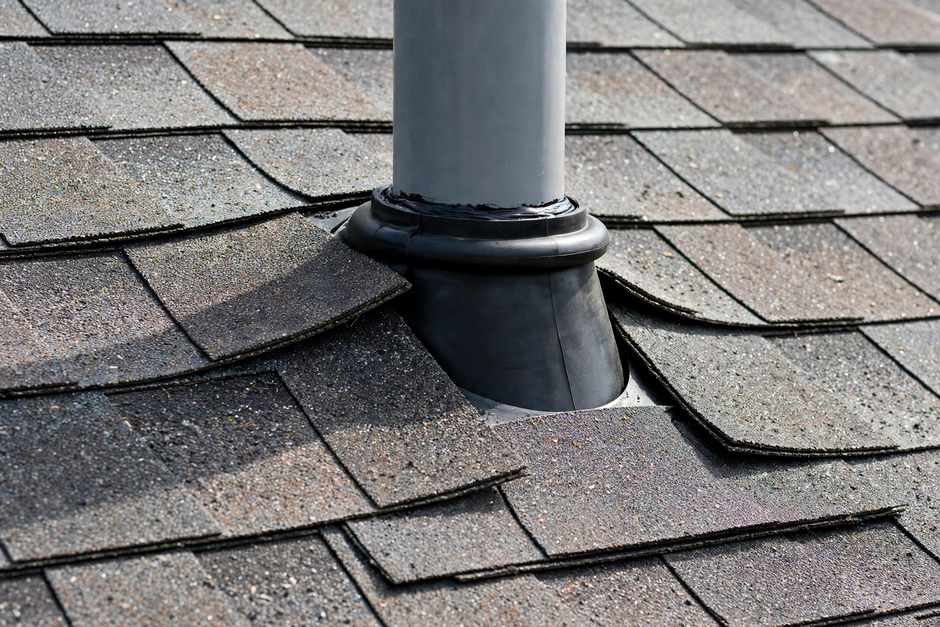
Flashing is rebuilt with proper step and counter flashing, and the repair is checked with a water test where possible. Water travels along the deck, so the entry point is traced before anything is patched.
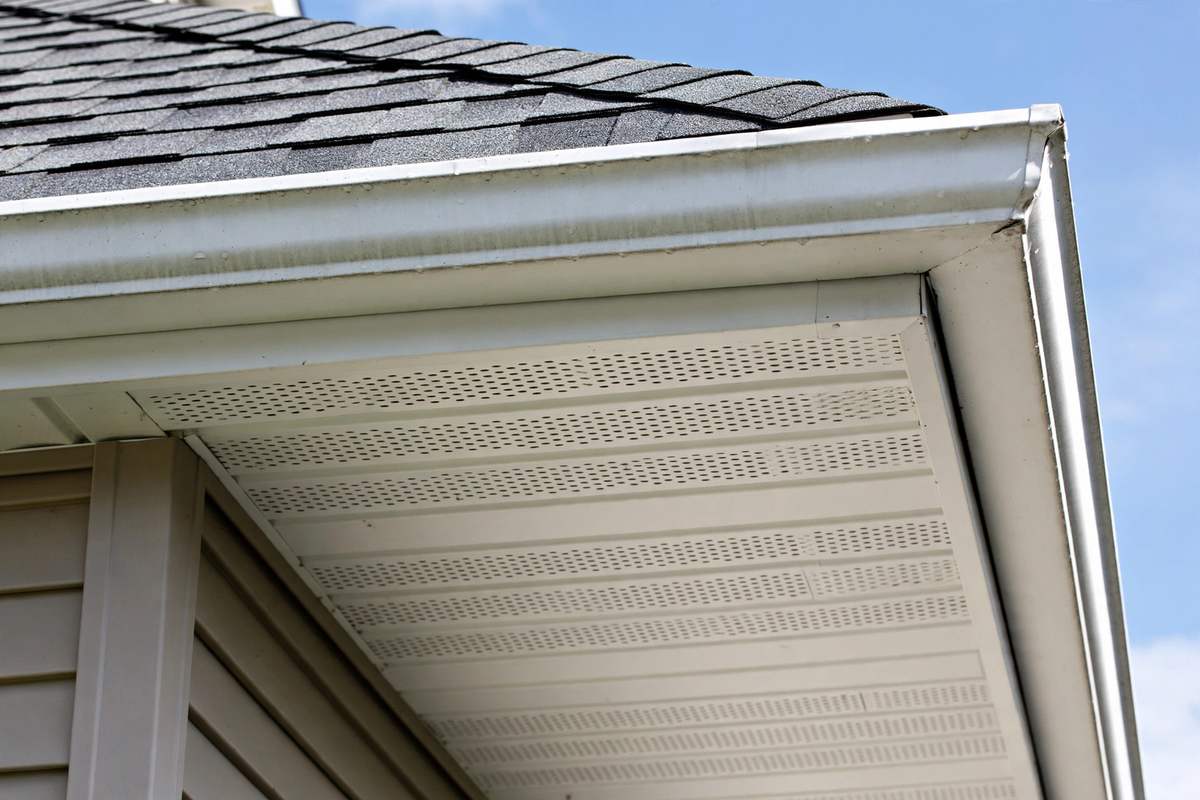
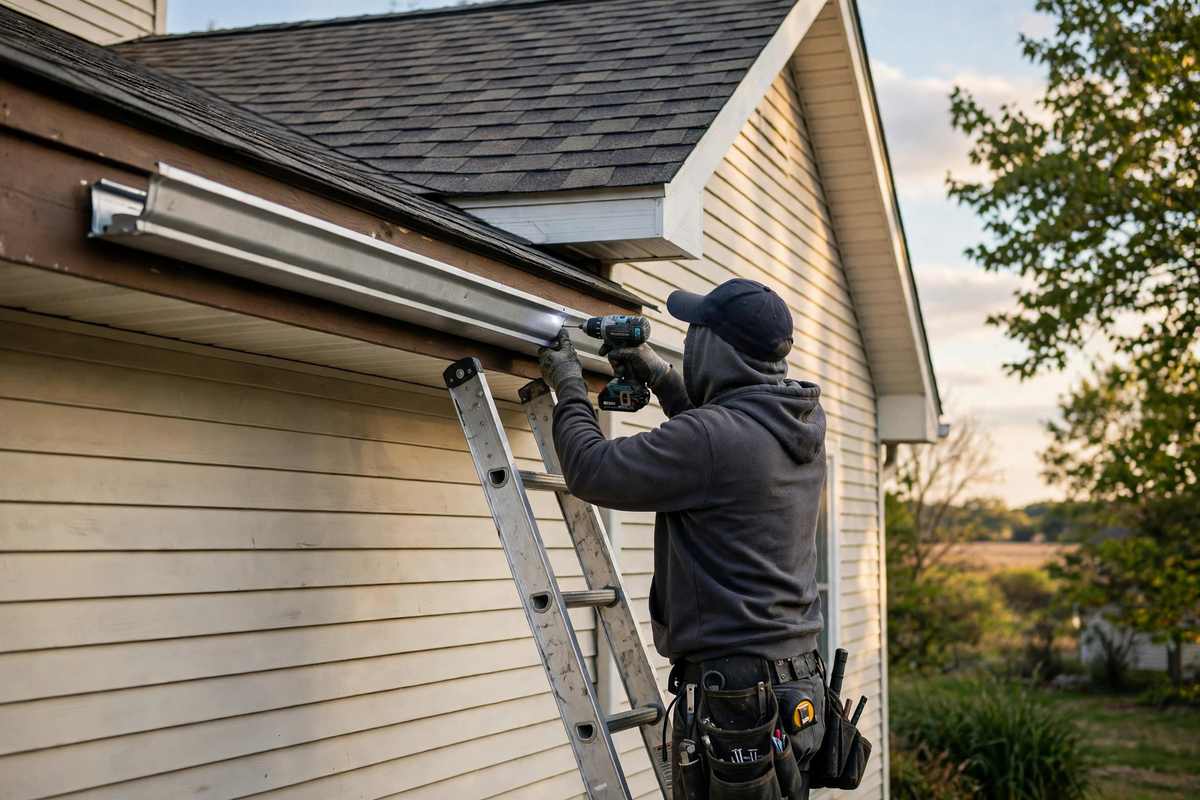
Water that cannot drain backs up at the fascia, rots the wood, and works under the bottom course. Pitch, flow, and fascia condition are checked, and gutter work is scoped with the roof.
A leak that reaches the ceiling has already traveled through insulation and decking. Catching failures early keeps repairs to shingles and flashing.
Balanced ventilation and a sealed roof system keep conditioned air inside. A hot attic cooks shingles and drives cooling bills up; ventilation addresses both.
A new roof in a current color and profile refreshes a home's appearance. Buyers notice the roof first, and a documented replacement supports resale.
A complete system, with flashing, ice barrier, and ventilation, stands up to hail, wind, and ice dam seasons better than shingles alone. The details are what carry a roof through Iowa weather.
Records worth asking for, to keep and share.
Ask for work, materials, and price agreed before work
Ask for roof condition and finished work photographed
A roof is layers, and the layers under the shingles decide how the roof performs. Here is what each one does.
A self-adhering membrane at the eaves, valleys, and penetrations that seals around nails and blocks ice dam backup. Des Moines requires an ice barrier, and the code in force is the 2024 IRC/IBC, effective January 1, 2026.
The sheet layer across the field, under every shingle course. It is the second line of defense when wind drives rain under the shingles.
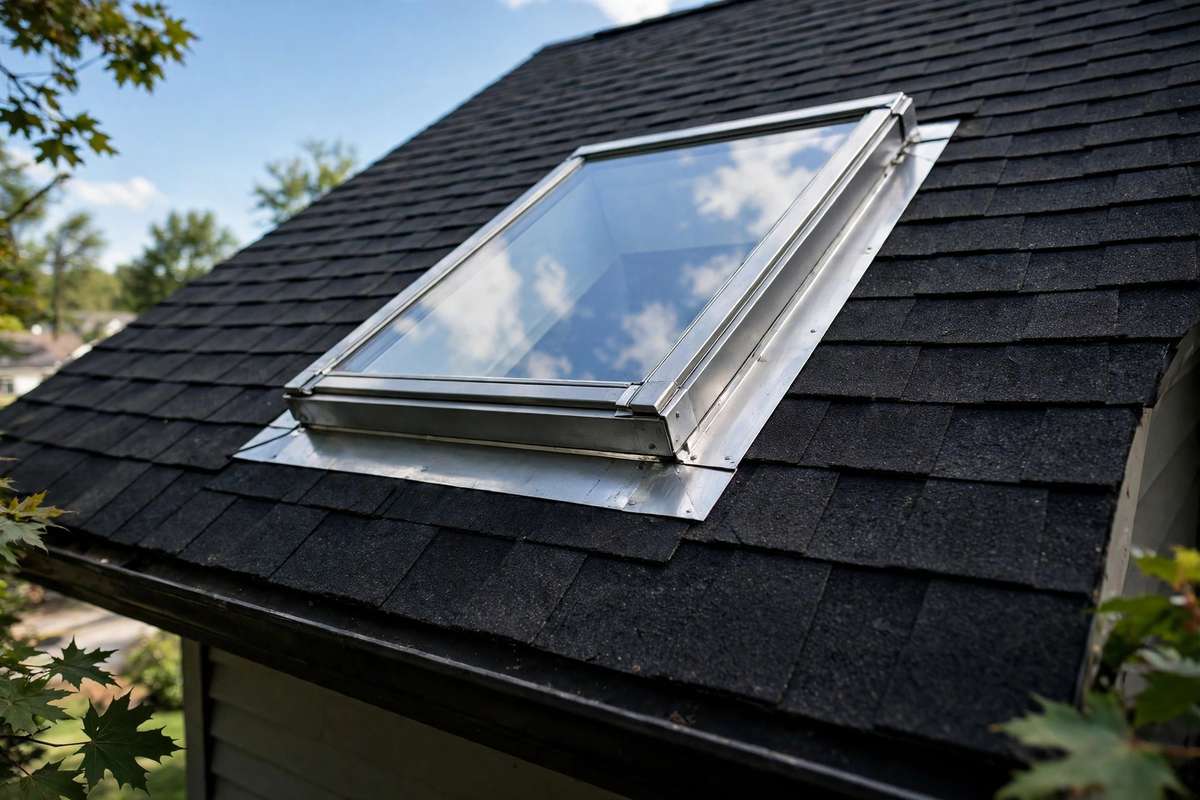
Metal at every penetration and transition: chimneys, walls, valleys, and skylights. Most leaks start at flashing, not the shingle field, which is why new flashing is part of every replacement.
Questions about an address in Des Moines? Call (515) 385-2566 and ask.
Cost follows the roof itself: its size, pitch, number of existing layers, deck condition, and the materials chosen. Ask for the roof inspected and a written scope with the price before any work starts, so the number is agreed up front.
Roof replacement, roof repair, leak detection and repair, storm damage repair, roof inspection, gutter installation, attic ventilation, and flat, shingle, and metal roofing for homes. Each service has its own page describing what the work covers.
Ask for photographs of the findings on your roof, a written scope naming the work and materials, and a plain explanation of what can wait and what cannot. Ask how flashing, ventilation, and the ice barrier are handled, since those details decide how long a roof lasts.
Coverage decisions belong to your insurer and depend on your policy. Ask for photos and a written scope to share with your insurer. Hail damage should be documented soon after the storm, since the evidence fades as shingles weather.
Call ZT Contracting LLC at (515) 385-2566 to arrange a residential roofing inspection, and ask for the roof photographed, the options explained, and the work scoped in writing.
Call (515) 385-2566, Monday through Saturday, 8 AM to 6 PM, to arrange a time to look at your roof. We are closed on Sundays.