Roofing ProblemsWinter Maintenance
Why is there ice damming on my roof in Des Moines winters
Ice damming on a Des Moines roof forms when heat escaping into the attic melts snow that refreezes at the colder eaves.
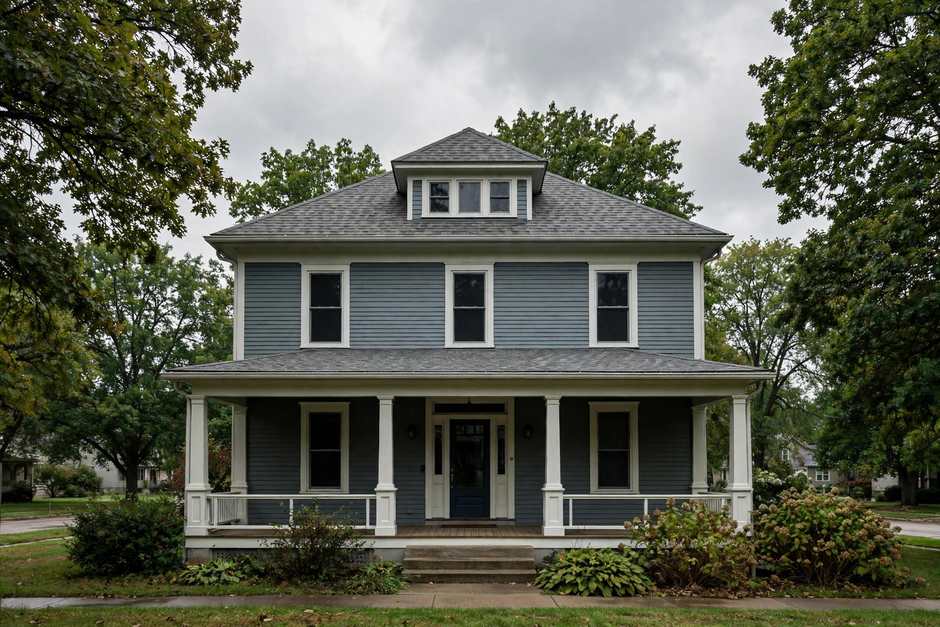
The short answer: warm attic air meets cold eaves
Ice damming on your roof in Des Moines winters happens when warm air escaping into the attic melts the snow on the upper roof, and the meltwater runs down to the colder eaves and refreezes. The refrozen ridge traps more meltwater behind it, and the trapped water backs up under shingles and into the house. The ice at the eaves is the symptom; the heat loss into the attic is the cause.
That cause is why this guide is prevention-led. Addressing attic heat loss before winter does what no mid-winter reaction can: it keeps the roof deck closer to the outdoor temperature, so snow melts evenly rather than refreezing at the edge.
How ice dams form on Des Moines roofs
Ice dams form in a sequence that repeats through the winter. Heat escapes from the living space into the attic through gaps in the ceiling plane, through recessed lights, hatches, and chases, and through thin or uneven insulation. The warm attic heats the roof deck, the snow above it melts, and the meltwater runs downslope.
At the eaves, the roof deck extends past the heated wall and stays cold. The meltwater refreezes there, building a ridge of ice that grows with each melt cycle. Water pooling behind the ridge has nowhere to go but up and under the shingles, since shingles shed water that runs down, not water that sits and backs up. An ice barrier is required in Des Moines, and it adds a layer of protection at the eaves, but it does not remove the heat-loss cause.
Why Des Moines winters are especially hard on roofs
Des Moines winters combine the three ingredients ice dams need: snow, cold, and heat loss. The city averages 36.5 inches of snow (NOAA 1991-2020), the ice-dam season runs December through March, and the City's design criteria include a 0°F winter design temperature and a 33 psf ground snow load. Snow sits on roofs for weeks, and every thaw-freeze cycle adds to the ridge at the eaves.
Older homes with less air sealing and uneven insulation are more exposed, since more heat reaches the attic. Any house with a warm attic and a cold eave can grow a dam in the right winter, which is why prevention focuses on the attic rather than on the ice itself.
Signs you already have an ice dam problem
The signs below show that the heat-loss pattern is already at work, whether or not water has entered yet.
- Heavy icicles and a visible ridge of ice along the eaves.
- Icicles forming at the same places every winter.
- Ceiling stains or drips that appear during thaws and fade in cold snaps.
- Damp insulation or stained decking near the eaves in the attic.
- Peeling paint or dampness on exterior walls below the eaves.
Any of these signs is a reason to arrange an assessment and plan prevention work for the next dry season, rather than waiting for the pattern to repeat.
How to prevent ice dams in Des Moines Iowa
Prevention works on the attic, in the order below. The steps reinforce each other, and any one of them alone does less than the set.
1. Air-seal the ceiling plane
Warm air leaks through gaps around lights, hatches, wiring, and plumbing chases carry more heat into the attic than thin insulation alone. Sealing those paths is the first prevention step, and it changes the attic temperature more than any single later step.
2. Check attic insulation levels
Insulation slows heat loss from the living space into the attic, and thin, uneven, or compressed insulation lets heat through in patches that melt snow unevenly. This guide states no single insulation target, since levels vary with the house and the applicable code; insulation information and what applies to a particular attic can be discussed during an inspection.
3. Balance the ventilation
Ventilation moves the remaining attic heat and moisture out, keeping the roof deck closer to the outdoor temperature. Intake and exhaust work as a pair, and an unbalanced system leaves warm pockets where melt starts. Attic ventilation can be assessed during a roof inspection.
4. Keep gutters and downspouts draining
Gutters and downspouts that carry meltwater away from the roof edge reduce the water available to refreeze at the eaves. Sagging sections, disconnected joints, and downspouts that discharge against the foundation all hold water where ice forms. Gutter installation, repair, guards, and downspouts are part of the prevention picture.
5. Arrange a fall inspection
Prevention work is planned in the fall, in the September through November window, before the December through March ice-dam season. A fall inspection looks at the attic, the ventilation, the insulation levels, and the roof surface together, and sets out the prevention steps for the house as a whole.
What to do when an ice dam is already there
When an ice dam is already in place, the immediate job is protecting the interior: contain any drips, protect belongings and floors, photograph what you see, and arrange a professional assessment. Stay off the roof: an icy, snow-covered roof is a fall hazard, and working on ice from a ladder is no safer.
Do not treat the ice itself as the problem to solve first. The dam will recur in the next thaw-freeze cycle until the attic heat loss behind it is addressed, so the durable response is assessment now and prevention work planned for the next dry season. This guide covers prevention; it does not describe ice removal methods or equipment, and it claims no ice removal service.
Does attic insulation stop ice dams in Des Moines IA?
Insulation helps, but insulation alone does not stop ice dams. Heat still leaks through gaps in the ceiling plane even over well-insulated attics, and without air sealing and balanced ventilation, the attic stays warm enough to melt snow. The three measures work as a system: air sealing stops the leaks, insulation slows the heat flow, and ventilation carries away what remains.
Houses that add insulation without sealing the ceiling plane often see less improvement than expected, because the largest heat paths were the gaps, not the thin spots. An assessment that looks at all three together gives the prevention plan its shape.
When to call a professional
Call a roofer when ice dams recur every winter, when ceiling stains appear during thaws, or when the fall inspection window arrives and the attic has never been assessed. An inspection looks at the attic, the ventilation, and the roof surface together, which is the only way to plan prevention that holds. Call ZT Contracting LLC at (515) 385-2566 to arrange a roof inspection in Des Moines.
Frequently Asked Questions
Why is there ice damming on my roof in Des Moines IA?
Heat escaping into the attic melts roof snow, and the meltwater refreezes at the colder eaves, building a ridge that traps more water behind it. The ice at the eaves is the symptom; attic heat loss is the cause.
How do I prevent ice dams in Des Moines Iowa?
Address attic heat loss as a system: air-seal the ceiling plane, check insulation levels, and balance ventilation, and keep gutters and downspouts draining. Plan the work in the fall, before the December through March season.
Does attic insulation stop ice dams in Des Moines IA?
Insulation helps but does not stop ice dams alone. Without air sealing and balanced ventilation, heat still reaches the attic through gaps and the roof deck stays warm enough to melt snow.
Should I remove ice dams myself in Des Moines Iowa?
No. Stay off an icy, snow-covered roof, contain any interior drips, and arrange a professional assessment. The durable response is prevention work that addresses the attic heat loss behind the dam.
When should ice dam prevention work happen in Des Moines?
In the fall, in the September through November window, before the ice-dam season runs December through March. A fall inspection looks at the attic, ventilation, insulation, and roof surface together.
Get help with roofing in Des Moines
Ice dams are an attic problem wearing a roof disguise. Call ZT Contracting LLC at (515) 385-2566 to arrange an inspection and talk through ice dam prevention for your Des Moines home.